
Waterloo students use 3D-printed clay to guide the visually impaired
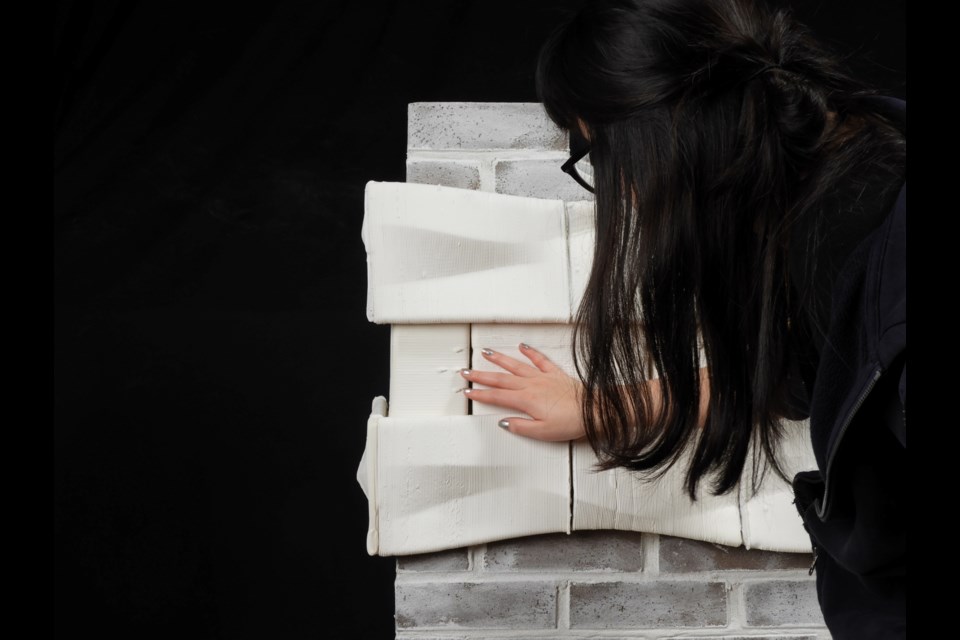
Students at the University of Waterloo’s School of Architecture in Cambridge are using 3D-printed clay to explore new approaches to wayfinding for the visually impaired, according to a report by the students for Cambridge Today.
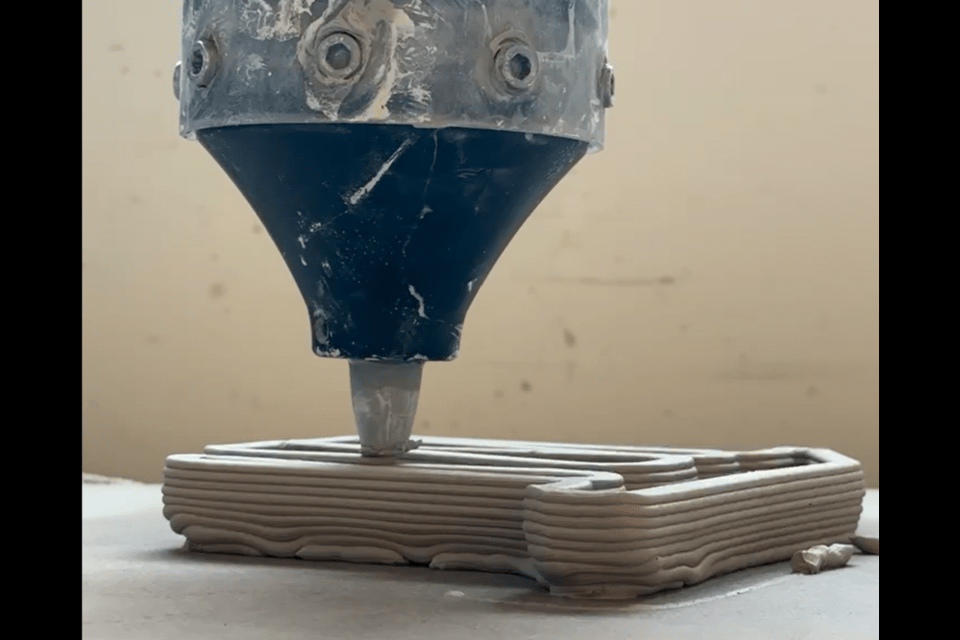
The work was produced as part of Material Syntax, an elective course taught by Professor David Correa that introduces students to experimental fabrication and material systems. The School of Architecture is home to Canada’s largest ceramics 3D printing lab, equipped with three programmable extruders capable of producing custom clay components.
During the fall term, students designed and fabricated a one-metre by one-metre wall integrating 3D-printed clay elements into brick masonry. Throughout the semester, guest reviewers from the Masonry Council of Ontario, Horizon 3D Printing, and ceramic design fields visited the school to provide feedback as the projects developed, per Cambridge Today. The Canadian Clay and Glass Gallery will exhibit the completed works from January 16 to March 27.
Tactile environments
Each student group interpreted the brief differently, producing walls that functioned as display systems, screens, and exterior garden elements. One group—Ian Bryane, Brienna Tran, and Mikayla Brennan—focused on accessibility, using the tactile qualities of 3D-printed clay to design a wayfinding system for visually impaired users.
According to their report, the group’s research identified a lack of tactile identifiers in many built environments, making navigation difficult for people who rely on touch. The students explored the concept of “tactile environments,” where varied textures and surfaces provide spatial cues. Precedents included the Hazelwood School for the Deaf and Blind in Scotland by Alan Dunlop Architect Limited, as well as ceramic projects by Ingrid Lilligren and Erin Linsey Hunt that used 3D printing to produce braille.
Drawing on these references, the students designed a masonry wall featuring two guiding ribbons of textured clay that frame an “invisible” layer of printed braille. The students created the wayfinding elements to guide users through touch.
To integrate the system into brick construction, the group developed a lapping detail that overhangs the masonry, reducing exposed horizontal joints. They incorporated LED strip lighting into the reveal to improve contrast for people with limited vision. While the final build represents only a section of a wall and is not site-specific, the students envision applications in schools, public buildings, and other shared spaces, where tactile wayfinding could support navigation and accessibility, Cambridge Today reported.
Sign up for our newsletter
Featuring breaking news from Canada's sign and graphics industry.
Popular Articles
-
1
-
2
-
3
-
4
-
5
Read the Latest Issue
