Substrates: Your guide to master the elements
Exploring graphics solutions for textured walls, glass, and more
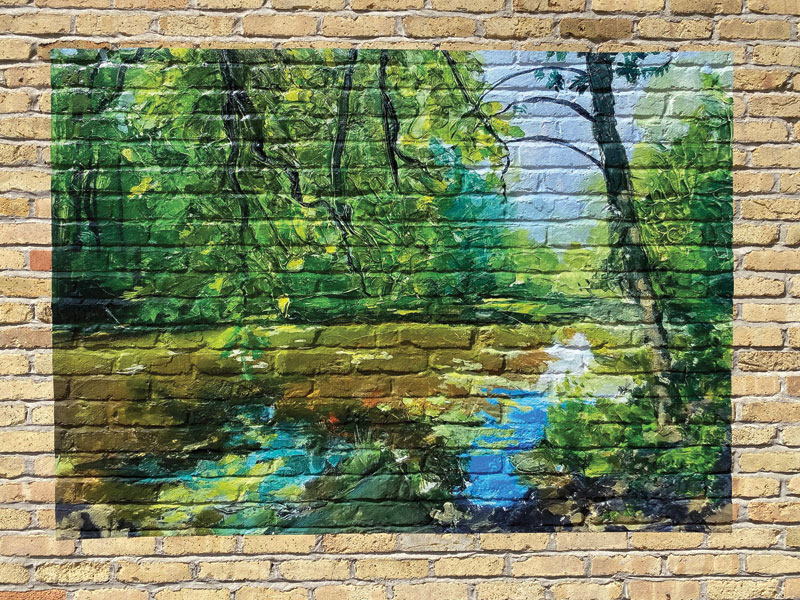
Isn’t it great when you get a job where the surface you are applying to is smooth, flat, and perfectly prepped? The reality is that this is the exception, not the rule. Since wraps have become more common, we are tasked with covering a vast array of surface types such as stucco, spandrel glass, floors, and even architectural fixtures. The rise of non-traditional substrates has created the need for manufacturers and installers to pivot, optimizing both products and processes for these unique applications.
It is crucial to understand the challenges of these diverse surfaces and pair them with the correct film and adhesive technology. In this article, I will share a few different substrates we frequently encounter in the graphics market and explain how to choose the best film for the job.
Wall wraps: navigating texture and paint
Wall wraps are probably the most common application I encounter on a day-to-day basis. The types of walls, however, vary greatly. Some are new construction, while others involve sprucing up an older space, like decorating a locker room or a school hallway. The two main things we must consider for wall applications are surface texture and paint.
Depending on the texture, you may need a highly conformable film like a cast film or polyurethane (PU). If the surface is something like brick or cinder block, you will want to use cast or PU. For cinder blocks, the next thing to consider is the environment (indoors vs. outdoors) and whether it is painted. If it is unpainted, it is recommended to use a product specifically approved for unpainted concrete; for Avery Dennison, this would be MPI 1405. If the block is painted, always perform an adhesion test. With the rising popularity of low-volatile organic compound (VOC) paints, there has been an increase in adhesion issues. Low-VOC paint takes longer to outgas and cure, making it much more difficult to stick to, which often requires a more aggressive adhesive.
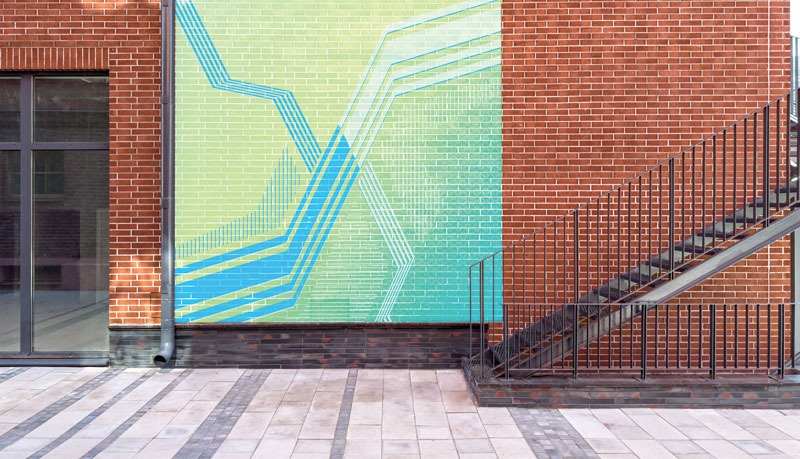
Whatever film you choose, laminate it. A good rule of thumb is to pair your laminate with your print media based on the film type, or choose a laminate of a higher grade than the base. For example, it is acceptable to put a cast laminate on a calendered base, but you never want to put a calendered laminate on a cast base. The same logic applies to PU: you can use a PU laminate over a cast film, but you should avoid using a standard cast laminate over a highly conformable PU base. If you use Avery Dennison MPI 1405, I typically recommend the DOL 7460 overlaminate, or, if you want a satin finish, we also have DOL 6470. For MPI 1105, I recommend any of our cast laminates, chosen based on your desired finish.
Floor graphics: safety and surface types
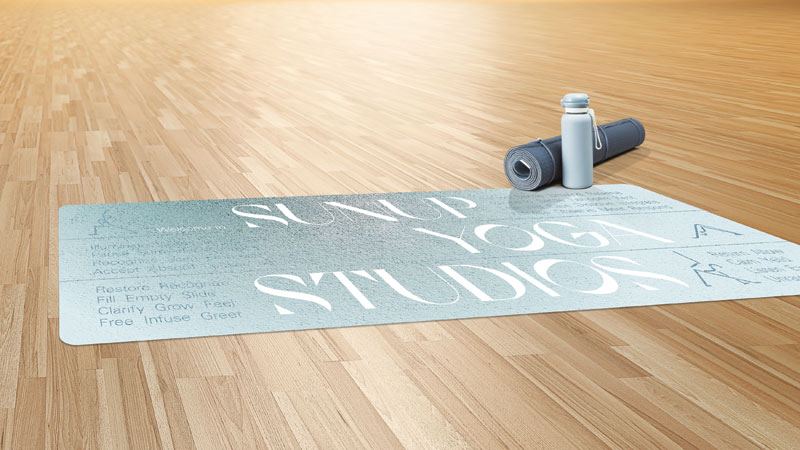
Floor graphics gained massive popularity during the COVID-19 pandemic. While their use may have levelled out slightly, end-users are now much more aware that floors are prime real estate for decoration, advertising, and wayfinding. Using short-term floor graphics for events remains incredibly popular.
The most important thing to keep in mind regarding floor graphics is that the warranted life of the film is usually only up to six months. This is consistent across most film manufacturers, although some films may have an even shorter lifespan without lamination. When planning a floor graphic, surface type is the most critical factor. A permanent adhesive may be the best choice for surfaces such as low-pile carpet, a raw warehouse floor, or textured tile with heavy grout lines. Conversely, a lower-tack, removable adhesive is great for smooth surfaces, like linoleum, smooth tile, or sealed wood floors. Finally, any time you are doing floors, you absolutely must choose a film/laminate combination that carries a UL 410 rating for slip resistance. Most manufacturers will clearly note a film’s approval for floor graphics on the product data sheet.
Architectural graphics: resurfacing over replacing
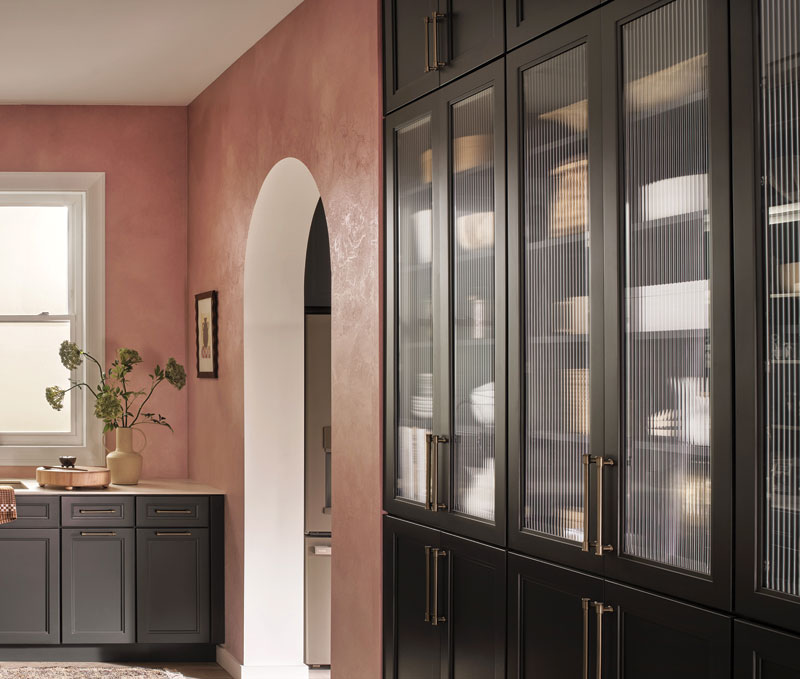
Architectural graphic films are up and coming, opening the door to new applications, like wrapping spandrel glass on the exterior of buildings. It is often much more cost-effective to cover spandrel glass with a pressure-sensitive film than to replace all the glass on the building. The benefit is that clients can choose from more than 100 stock colours or have a custom colour match created to achieve a highly specific look.
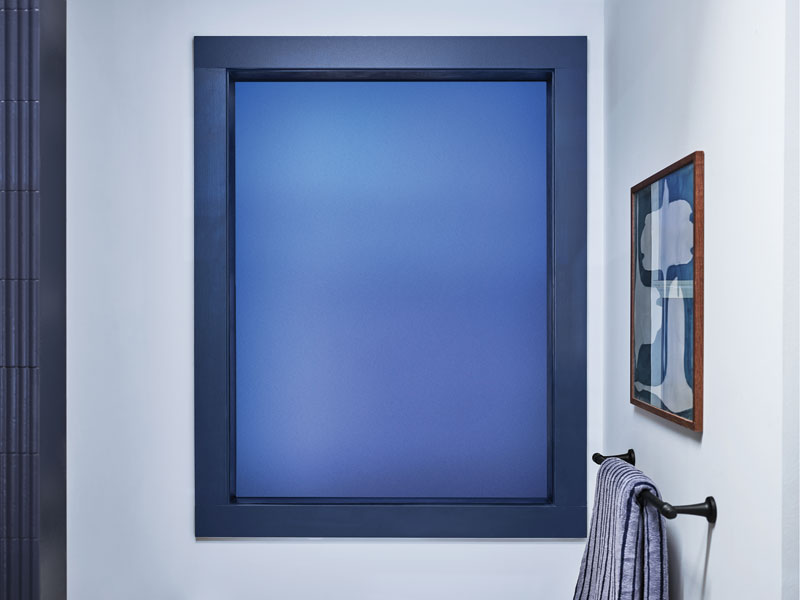
Another rapidly growing application is sprucing up old office spaces using specialty architectural films. These pressure-sensitive films come with textured patterns already integrated into the material. You can choose from a massive variety of high-end finishes, including wood grain, stone, leather, metal, and more. Keep in mind that these are specialty films that require added training to properly prep and install, ensuring the best visual appearance and longevity. Other glass applications include using dusted or frosted films to either completely cover a window for privacy or plotting them into artistic designs to elevate an office space.
The bottom line
I see new applications for pressure-sensitive films every single day. I always say our imagination limits us. Before starting on a non-traditional surface, consult the product data sheets and instructional bulletins to ensure you properly prep the substrate and review any required specialty installation procedures. If you still have questions, be sure to reach out to your distributor or your media supplier.
Molly Waters is senior regional technical specialist at Avery Dennison Graphics Solutions. If you have questions about Avery Dennison films, learn more at graphics.averydennison.com or email insidesales.graphics@averydennison.com.
Sign up for our newsletter
Featuring breaking news from Canada's sign and graphics industry.
Products
Read the Latest Issue

