
Gunning for gold: How OOH links daily life to sport’s biggest moments
Vistar Media
There was a difference in the air when walking through Toronto in early 2026. The Winter Olympics—complete with surprise medals and dramatic finishes—were often the first thing people talked about as they headed to work or out with friends. While much of the excitement started on TV, its energy carried well beyond the living room, spilling into transit stations, shopping centres, and busy street corners across the country.
For brands, it is these moments that create a rare opportunity to connect with people in ways that feel natural and shared. Sign Media Canada caught up with Scott Mitchell, managing director of Vistar Media Canada, to discuss how Olympic excitement translates into real-world out-of-home (OOH) impact, how sponsors shifted the tone of tentpole advertising this season, and why the medium resonates so strongly when Canadians were experiencing the Games together.
Sign Media Canada (SMC): Can you give us some examples of Olympic moments driving national conversation, through opportunities for OOH placements in transit hubs, shopping centres, and urban corridors?
Scott Mitchell (SM): The Olympic moments that really drive national conversation are the ones that catch people off guard. Think: a surprise medal win, a breakout performance from a young athlete, or a dramatic late-night finish that everyone’s talking about the next morning. These are perfect moments for OOH because Canadians are already out in the world—commuting, shopping, grabbing coffee—and sharing that excitement in real time. Seeing congratulatory messages or celebratory ads on screens feels timely and shared, not forced.
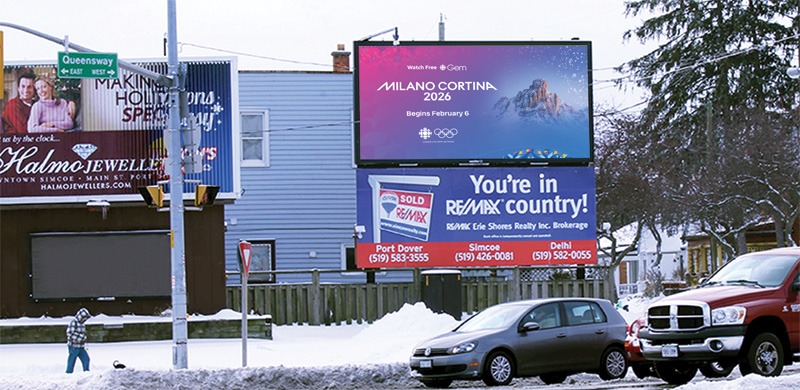
Hockey is another powerful driver of national attention. Games against traditional rivals in the quarterfinals and semifinals create massive spikes in attention, with people gathering before and after games. OOH near transit stations, malls, and urban centres lets brands show up right where that energy is already happening, and that’s where this advertising format really shines. Instead of running one static message for two weeks, brands can align their OOH ads to key Olympic moments, showing up when attention is naturally at its highest and with messaging that is near real-time.
SMC: How is Olympic sponsorship activity reshaping the rules of tentpole advertising?
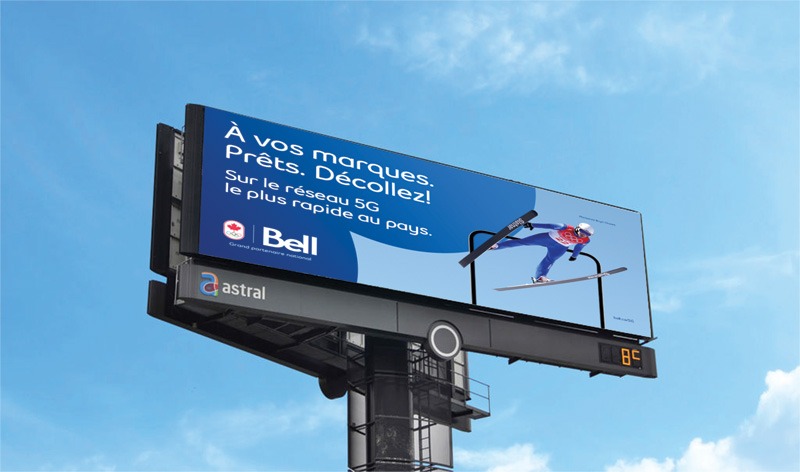
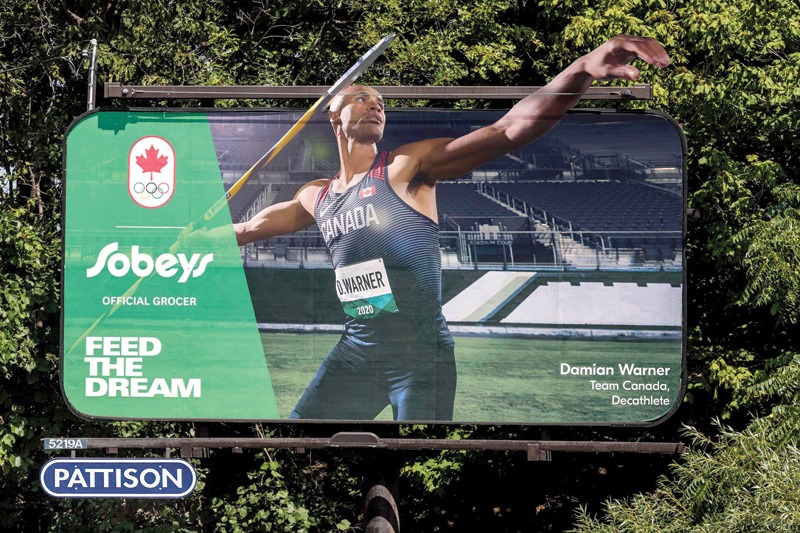
SM: Olympic sponsorship in Canada is no longer just about big logos or prestige—it’s about being part of the cultural conversation. When familiar brands like Tim Hortons, Sobeys, and Visa enter into an Olympic sponsorship, they change how the event feels. Instead of the Games being associated only with luxury brands, as we’ve seen with Paris 2024 and sponsors like Louis Vuitton or Dior, they become something that feels more accessible and shared.
Tim Hortons’ partnership with Team Canada shows how everyday brands can use tentpole moments differently. Rather than focusing on flashy branding, they tap into things Canadians already care about, like national pride and real athlete stories. This approach makes the Olympics feel closer to home, not distant or exclusive.
This shift is changing the rules of tentpole advertising. These events are less about buying attention and more about celebrating culture and earning relevance. Brands are using the Olympics as a shared moment to participate in, not just a sponsorship asset. Marketers are better learning how to show up in ways that reflect how Canadians actually experience the Games, whether that’s watching with family, following hometown athletes, or reliving childhood dreams of competing.
We’re also seeing brands lean into the emotion and friendly rivalry that comes with international competition, celebrating national pride without overpowering the moment. In Canada, the brands that win aren’t the loudest; they’re the ones that feel authentic, familiar, and genuinely connected to the experience.
SMC: OOH has long thrived on frequency and proximity—how does that advantage evolve during national moments like the Olympics?
SM: OOH has always worked because it shows up often, in the right places, and sparks conversation all at the same time. During the Olympics, that advantage gets sharper. With millions of people focused on the same moments, OOH connected to the Games feels immediately relevant and is far more likely to be seen, understood, and talked about.
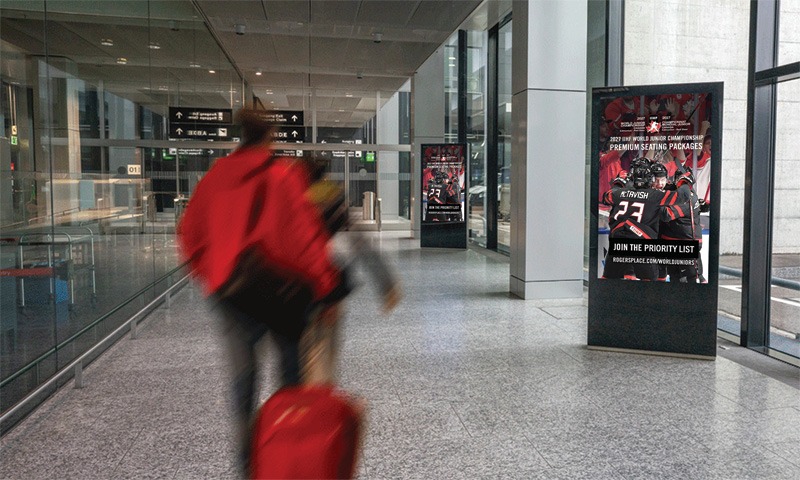
Programmatic digital out-of-home (pDOOH) lets brands further lean into the strengths of the medium by adjusting creative as events unfold and reaching people along those daily routes and social settings like bars and fan zones. Instead of seeing the same message over and over, target audiences see messaging that reflects what they’re actually experiencing in that moment, which makes frequency feel far more impactful.
SMC: How can everyday brands—such as grocery, QSR, and telecom—use OOH to bridge daily habits with these cultural moments?
SM: For everyday brands, the opportunity isn’t to act like an Olympic sponsor but to stay grounded in real life. People might be watching the Games, but they’re still shopping, commuting, and grabbing food as part of their regular routine.

For non-sponsors, DOOH can be a powerful tool to build brand equity by providing an opportunity to tap into fandoms without a significant media investment. Brands can join the conversation and creatively connect with passionate audiences.
OOH advertising lets brands connect those daily habits to what’s happening culturally, whether that’s a reminder to stock up before a big event, grab a meal on the way to watch, or stream highlights on the go. Because those messages show up while people are already out making decisions, they feel natural and tend to drive real preference or action.
SMC: With Canadians historically showing high Olympic viewership, how should advertisers think about OOH’s role in reinforcing mass reach?
SM: When Canadians tune into the Olympics, they’re all watching the same moments but not always in the same place or at the same time. OOH plays a key role in carrying that mass reach beyond the living room and into the real world.
OOH reinforces those shared moments when people head out for the day, commute to work, or meet up with friends to watch a game. Seeing consistent messaging across high-traffic environments helps campaigns feel bigger, more present, and harder to ignore. It’s mass reach that doesn’t stop when the TV gets turned off.
SMC: What makes OOH uniquely positioned to deliver attention in a fragmented media landscape?
SM: While digital ads compete for attention on phones and TVs, OOH reaches people as they go about their day when they’re naturally more alert and present. People may tune out online ads, but they can’t “skip” a screen in a subway station or on a busy street they walk every day. That repeated, everyday exposure helps messages stick.
pDOOH makes the medium even more effective by allowing ads to change based on location, time of day, or what’s happening in the world—like live sports. This means brands can deliver messages that feel timely and relevant to what people are experiencing at specific moments in time.
That real-world presence, combined with the flexibility of programmatic, allows brands to stay relevant without competing for clicks or swipes. It’s one of the few channels that consistently delivers attention simply by being part of people’s daily lives.

Sign up for our newsletter
Featuring breaking news from Canada's sign and graphics industry.




Read the Latest Issue

