
Would you like apparel with that?

The apparel customization trend is not losing any steam. It has significant implications for the sign and graphics market, as more clients ask their print service providers (PSPs) for branded apparel along with their graphics and signage orders. One of the most popular solutions for apparel decoration is direct-to-film (DTF) printing. In fact, Research and Markets estimates that the global direct-to-film printing market reached $272 billion in 2024, and is expected to hit $3.99 billion by 2030, a compound annual growth rate (CAGR) of 6.50 per cent.1
We talked with Roland DGA application specialist Mike Davis to learn more about recent advances in DTF inks and software, how DTF can be applied to apparel and beyond, and what factors shop owners should consider before purchasing a DTF printer.
Ginny Mumm (GM): Why is DTF so popular among sign shop owners as an apparel decoration option?
Mike Davis (MD): DTF’s popularity is growing for two main reasons, and the first reason may be the most important one: Customers are asking for it. Sign shop owners often hear some variation of “Hey, can you make us some T-shirts?” Thanks to its popularity on social media, many customers are already aware of DTF as an option for their decorating needs. They may even be asking for the technology by name.
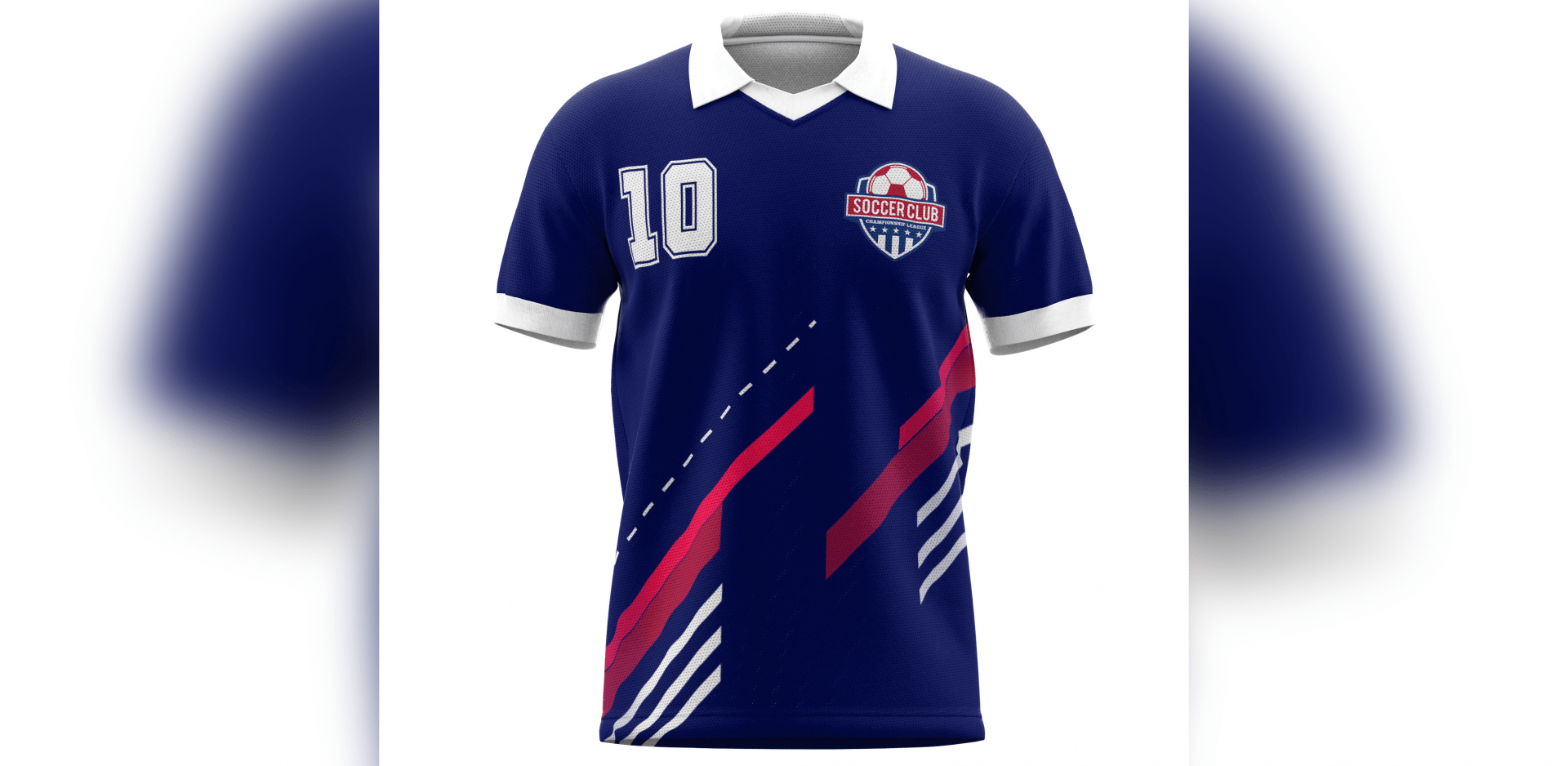
The second reason is that for most sign shops, it’s in their best interests to keep as much of their customers’ business as possible. Every soccer team that wants a banner needs shirts—if you have good customer service, you’ll get some of those orders. If you are able to produce what your clients are asking for in-house, then you have more room for your profit.
Additionally, sign shop owners are seeing that DTF printing can have a relatively small footprint when compared with traditional apparel decoration options, such as a full screenprinting setup.
GM: What types of products can you produce with DTF, and on what substrates?
MD: Apparel is by far the most popular application for DTF printing. You can use DTF to decorate caps, jackets, T-shirts, tote bags, aprons, and more. In addition, DTF can be applied to cotton, cotton blends, 100 per cent polyester, Lycra, and other fabrics.

You can also use traditional DTF to create some types of promotional products. DTF can be applied to a blank journal, cardstock, cardboard, or a piece of wood using a heat press. Some shops use DTF to print on their cardboard packaging. I’ve seen DTF used on some ceramics, certain plastics, and even a skateboard deck.
GM: How does DTF production contribute to sustainability efforts?
MD: DTF enables print-on-demand production, which helps reduce or eliminate the waste caused by unsold inventory. Before, people often had to make lots of sizes and colours available for their decorated apparel projects—and often were left with excess product. DTF users can print the transfers in advance or on demand, and have blank apparel in stock, completing the transfer process when the order comes in. Printing gang sheets can also optimize the available print area so users can reduce waste even further.
GM: What are some of the latest innovations from manufacturers of DTF printers?
MD: Some exciting innovations have led to improvements in ink formulations. Previous generations of DTF inks were typically some variation of direct-to-garment (DTG) inks, which are on the thicker side and more prone to clogging printheads. Roland DG recently introduced new S-PG2 inks specifically formulated for DTF, and with it, ink clogs are practically nonexistent. Industry-wide, you can now find improved ink formulations for DTF production.
Another update has provided additional convenience. DTF printing requires continuous, high-density white ink for underbases and for opacity. Roland DG’s TY-300 production DTF printer has been updated to provide four white ink slots for improved overall production efficiency. Now users can load as much as two litres of white ink at a time for longer, uninterrupted production.

GM: What about software?
MD: Raster Image Processor (RIP) software is required to drive any DTF printer. A RIP allows you to set up your basic settings, manage colour output, and control print quality. With compatible ink and film, it ensures accurate colour and reliable results. There are several high-quality RIP software products out there, and Roland DG’s TY-300 printer can operate with several of the most popular ones, including Flexi, Digital Factory, and Caldera.
GM: What else should PSPs be aware of when selecting a DTF printer?
MD: When selecting a DTF printer, shop owners need to consider what their output needs are currently and what those will be in the future. If you are not expecting to produce more than an average of 50 standard-size transfers in an eight-hour day, you may be very comfortable with a desktop device.
If you are consistently hitting 50 transfers a day and beyond, then you may want to consider either adding a second desktop device or moving to production-level machines, which can produce 50 images in 30 minutes or less. Applying 50 transfers should take about an hour. A busy shop with a production-level printer should make about $5 minimum per foot printed and can print hundreds of feet per day with one machine.
Another consideration is the space required in your production area for a DTF printer. Desktop DTF devices don’t require much room, but most production-level DTF printers will need about 9.29 m2 (100 sf) of floor space. Most of those larger devices will also require 220V electrical service. That said, some solutions can run with standard household power of 120V.
Another important consideration is which company made the device, and what the manufacturer’s reputation is for reliability—what level of service is provided, and how is the warranty serviced? Many warranties are serviced by the dealer, in which case it’s important to ask where the dealer is located and how many technicians are available.
A lot of printer brands offer warranties; however, most of those companies don’t have technicians available to service their devices in the country. Video calls, chats, and forums as a service option can be a frustration for people who are just getting into DTF. Purchasing a printer produced by a reputable manufacturer that offers a high level of service during and after the warranty period can help ease any concerns you may have about maintaining consistent and efficient DTF production.
GM: What do you see for the future of DTF production?
MD: I predict we will continue to see improvements in ink formulations, colour gamut, and overall engineering of DTF printers. We should also see continuing advances in accessories, such as shaker dryers. I’m also expecting that we will see the emergence of powderless DTF technology in the next few years.
Overall, I I expect this market to continue growing. The technology is incredibly popular because it provides an easy and efficient way to produce vibrant, durable, decorated apparel. Someone with just a bit of marketing skills and a basic understanding of DTF production can make $20,000 a month. We are still seeing many clients who are buying their first DTF printer or adding capability, and manufacturers will continue to provide these clients with innovative DTF production solutions for customizing apparel, accessories, and more.
Note
Read more about the Research and Markets report on the global DTF market here: https://finance.yahoo.com/news/global-direct-film-dtf-printing-081500412.html.
Ginny Mumm is a freelance consultant for digital inkjet printer/cutter provider Roland DGA. For more information, visit www.rolanddga.com.
Sign up for our newsletter
Featuring breaking news from Canada's sign and graphics industry.
Related Products
Read the Latest Issue
