
Toronto airport tunnel becomes immersive art space
The pedestrian tunnel at Billy Bishop Toronto City Airport in Toronto, Ont., is being positioned as an environmental graphics space, where large-format murals and digitally produced artworks function as place-defining visuals within a high-traffic transit corridor.
Part of the Perspectives Public Art program, the latest installation—Perspectives 3, presented by Toronto Port Authority—features five Toronto-based artists whose works have been adapted into mural-scale graphics along the tunnel walls. Each artist contributes four pieces, reproduced on a large scale to create a continuous visual experience for pedestrians moving between the mainland and the terminal.
Rather than serving a directional purpose, the installation operates as environmental signage, using imagery, repetition, and scale to shape how travellers experience the space. The approach reflects a broader shift in transit environments, where wall graphics and murals are used to create a sense of place.
The artists and their art
Anson Ng
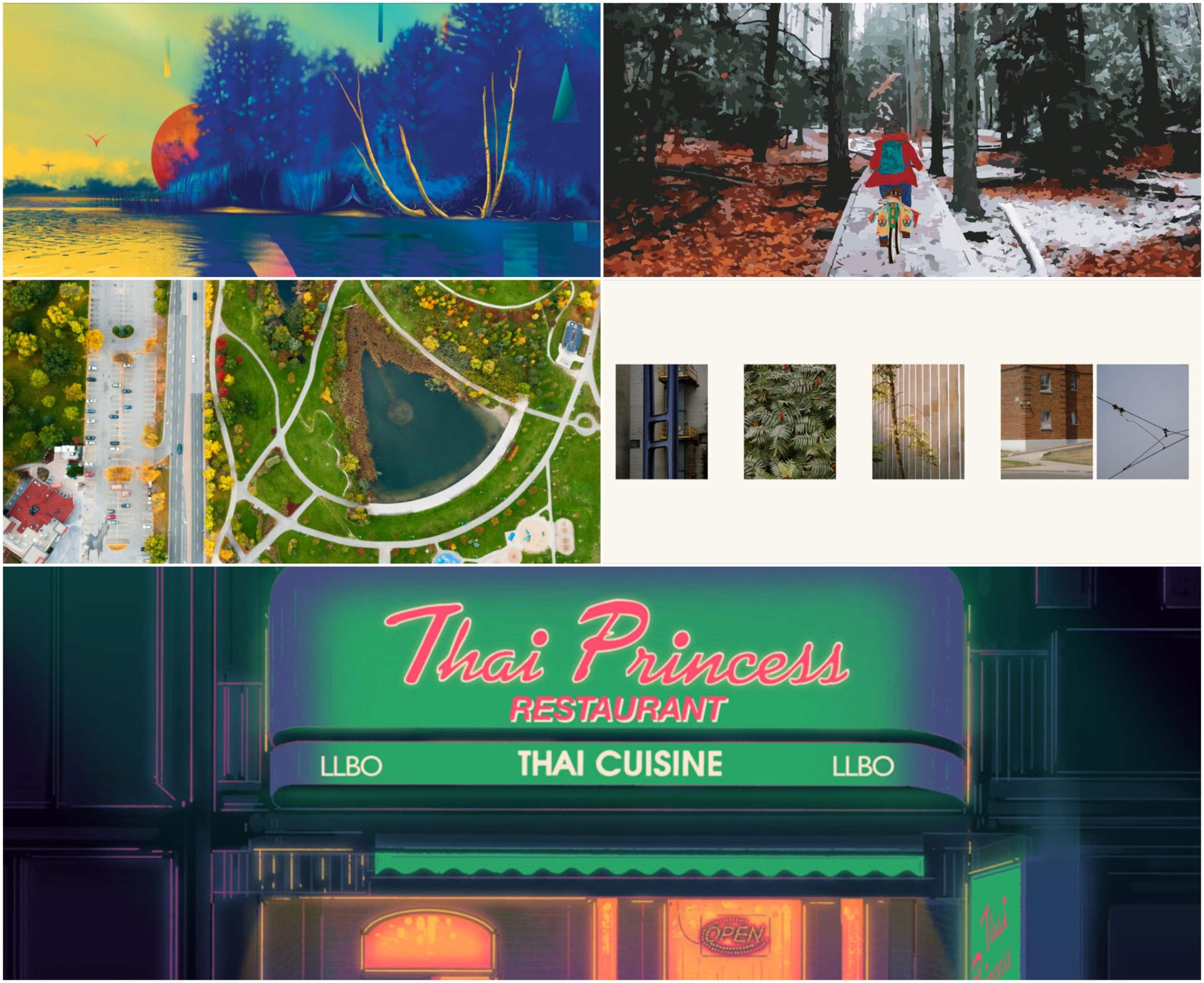
Digital painting plays a central role in this iteration. Artist Anson Ng’s work, which documents restaurants and small businesses across Toronto, translates into detailed, large-format visuals that echo the role of storefront signage in defining neighbourhood identity. His pieces draw attention to the everyday commercial landscapes that contribute to the city’s visual language.
Jason Zante
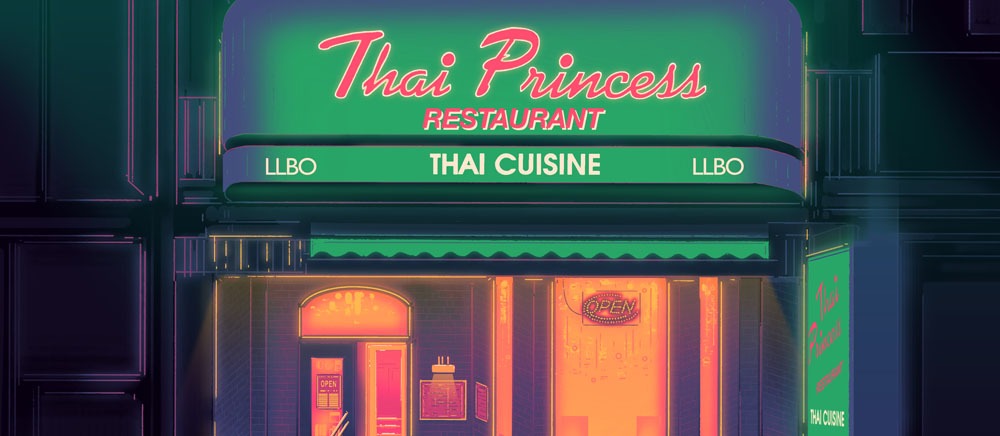
Jason Zante’s digital paintings, presented as part of The Islands series, extend this approach through landscape imagery. Reproduced at scale, the works introduce natural elements into the tunnel environment, using colour and composition to reference the Toronto Islands and the city’s waterfront. Zante said the series is a “collection of landscapes that explore the natural beauty of the Toronto Islands. The works capture the ephemeral essence of the surroundings through expansive scenes that depict the flora, fauna, and waters of Lake Ontario. From the soft hues of dawn to the fiery, vivid sunsets, these works express the myriad colours that illuminate the islands.”
Pam Staples
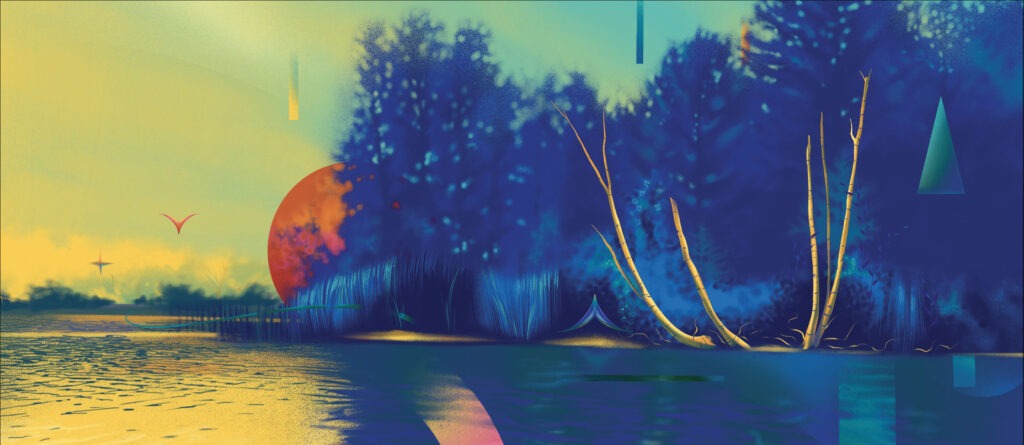
Digital illustration by Pam Staples adds layer to the installation, with compositions that reference public spaces such as parks and waterfront areas. Staples stated, “Community is central to the city’s identity, and to my practice. Whether referencing the waterfront, the built environment, or the subtle patterns of everyday life, my work aims to honour people and their shared experiences.”

Anna Jasinska and Callan Jaida Jones
Photography by Anna Jasinska and Callan Jaida Jones complements the digitally rendered work. Jasinska’s images, captured while moving through the city, focus on architectural details and everyday moments, and they said, “Taken on a mix of digital cameras, zooming into details, the unplanned approach aims to ensure images are authentic to Toronto.”
Jones’ aerial photographs—taken from a departing aircraft—offer a broader view of Toronto’s urban form. Jones said, “My work attends to the city’s quieter spaces, where careful looking draws out hidden grace. For me, this reflects Toronto’s spirit as a city of possibility, experienced through movement and continual discovery.”
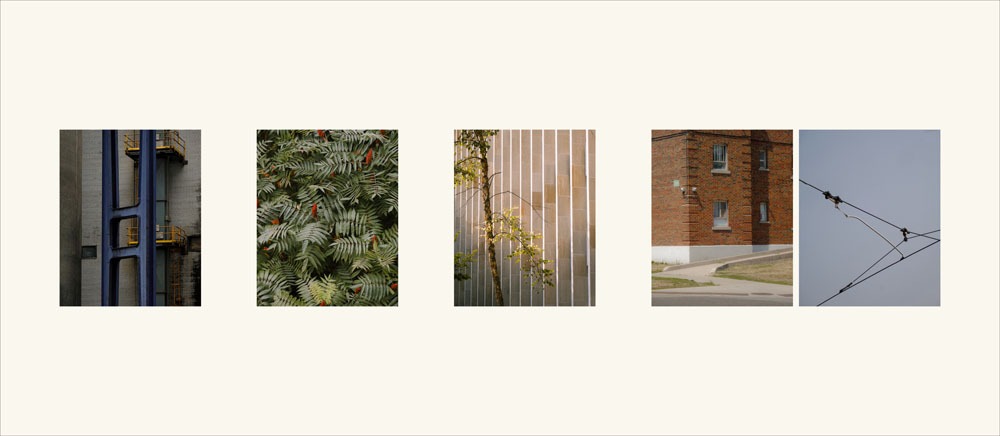
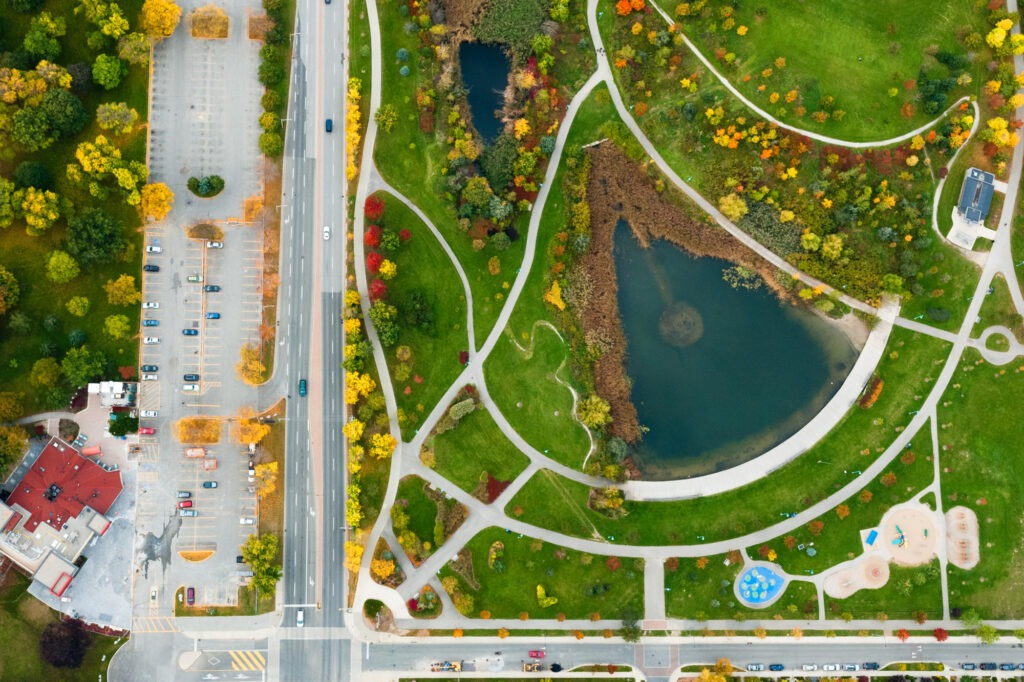
Together, photographic and digital works create a mix of perspectives that reinforce the tunnel’s role as a narrative environment.
Open during airport operating hours, the tunnel remains accessible to the public without a ticket or boarding pass. Within this context, the installation functions as both a cultural display and a case study, demonstrating how mural-scale graphics can integrate into infrastructure to enhance visual engagement and communicate a localized identity.
Sign up for our newsletter
Featuring breaking news from Canada's sign and graphics industry.
Read the Latest Issue

