
The quiet power of commercial signage
Insights on trust, materials, and Canada’s cityscapes

Up here, signage has to do more than look good on day one. It has to perform—through freeze-thaw cycles, road salt, wind loads, long winter nights, blazing summer sun, and the reality that a storefront’s first impression often happens from a car in traffic. In Canada, commercial signage isn’t just branding—it’s infrastructure. It helps people find you, feel confident about you, and understand a place. And when it’s done right, it becomes part of the identity of a street, a neighbourhood, even a whole city.
From a sign maker’s side of the table, what stands out most is this: customers don’t separate a brand from its sign. If the sign is dim, dated, or damaged, the business wears that perception. If the sign is clear, well-built, and consistent, the brand inherits that confidence.
Why signage matters in Canada
Visibility equals certainty
Canadian retail and commercial environments are built around movement—commuters, drivers, pedestrians bundled up and moving quickly. When the weather turns, patience drops. That’s why signage is often the difference between “I’ll stop in” and “I’ll keep going.”
We see the same decision points across the country—whether it’s a strip plaza in Ontario, a main street in the Prairies, or a coastal commercial corridor out west:
- Am I in the right place? Building IDs, fascia signs, and monuments reduce uncertainty fast.
- Can I get in and out easily? Entry/exit signage and parking guidance prevent frustration.
- Is this business established and trustworthy? Quality, lighting, and condition answer that question instantly.
- Can I find what I need once I’m here? Interior and site wayfinding keep customers moving smoothly.
A sign doesn’t need to be flashy. It needs to be legible, reliable, and consistent—especially in Canadian conditions.
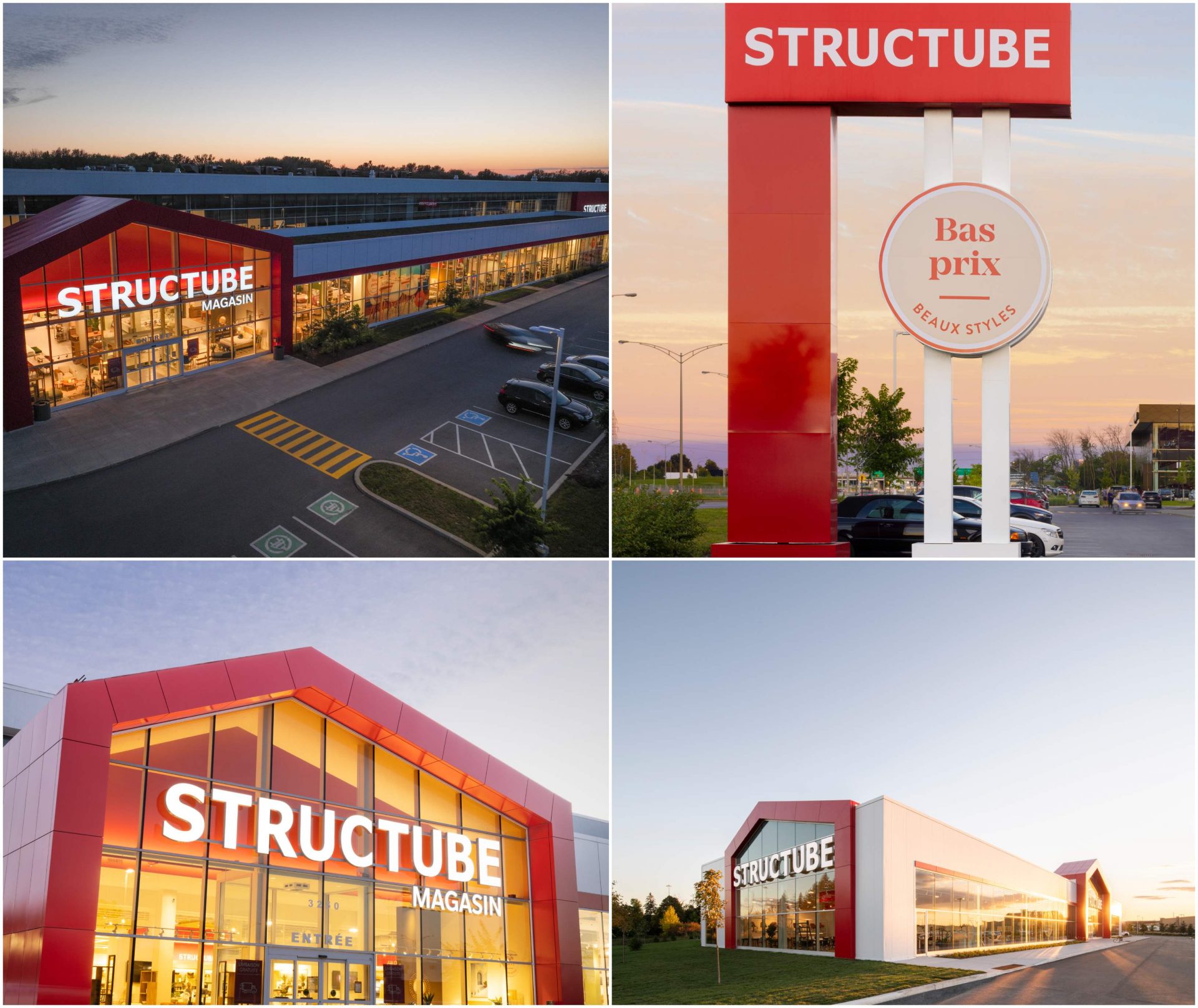
Lighting
Long nights, higher expectations
In winter, darkness comes early. That means illumination is often not optional—it’s the baseline for visibility and safety. But lighting is also brand behaviour. A sign that is evenly lit and thoughtfully balanced says, “We’re professional.” A sign that flickers, hotspots, or washes out the face says, “We cut corners”—even when the business didn’t.
From a sign shop perspective, we must pay close attention to:
- Even brightness and clean diffusion
- Colour temperature that matches the space and brand
- Glare control (bright enough to be seen, not so bright that it becomes a nuisance)
- Serviceability, because failures never happen on a convenient day
Lighting is where customers “feel” quality first.

Materials
Built for freeze–thaw, salt, and sun
A Canadian sign has a tougher life than many people realize. Temperature swings stress adhesives and substrates. Salt and moisture punish hardware. Wind and ice demand stronger engineering. Materials aren’t about preference—they’re about lifespan and risk.
A few practical truths we must live by:
- Corrosion-resistant hardware matters near salted roads
- Faces and returns must stay true—warping and edge failures show up fast
- Vinyl and films require realism: excellent when specified and installed correctly, limited when they aren’t
- Finishes must match exposure: “looks great” isn’t the same as “holds up”
When clients ask for the cheapest option, we must reframe it to ask them: What’s the lowest cost way to protect your brand for the next five to ten years?

Maintenance
Canadian winters don’t forgive neglect
The harsh part about signage maintenance is that customers rarely notice a sign when it is perfect—but they notice immediately when it isn’t. And in Canada, deterioration can accelerate quickly: one cracked seal or loose face, and water gets in.
A good maintenance mindset must include:
- Seasonal inspections (especially after winter)
- Cleaning plans where grime and exhaust dull legibility
- Proactive LED and power checks to prevent cascading failures
- Refresh strategies so multi-location brands stay consistent
Maintenance isn’t a “nice to have.” It’s how you keep your brand from looking like it’s slipping.
Permitting and codes
The part no one sees—until it delays everything
In many Canadian municipalities, signage is tightly regulated. That means the best outcomes happen when sign makers are involved early. Design decisions cannot be separated from compliance, engineering, and timelines.
We must routinely help clients navigate sign size and placement limits, illumination rules, heritage districts, structural requirements (including wind loads), plus landlords and condo boards.
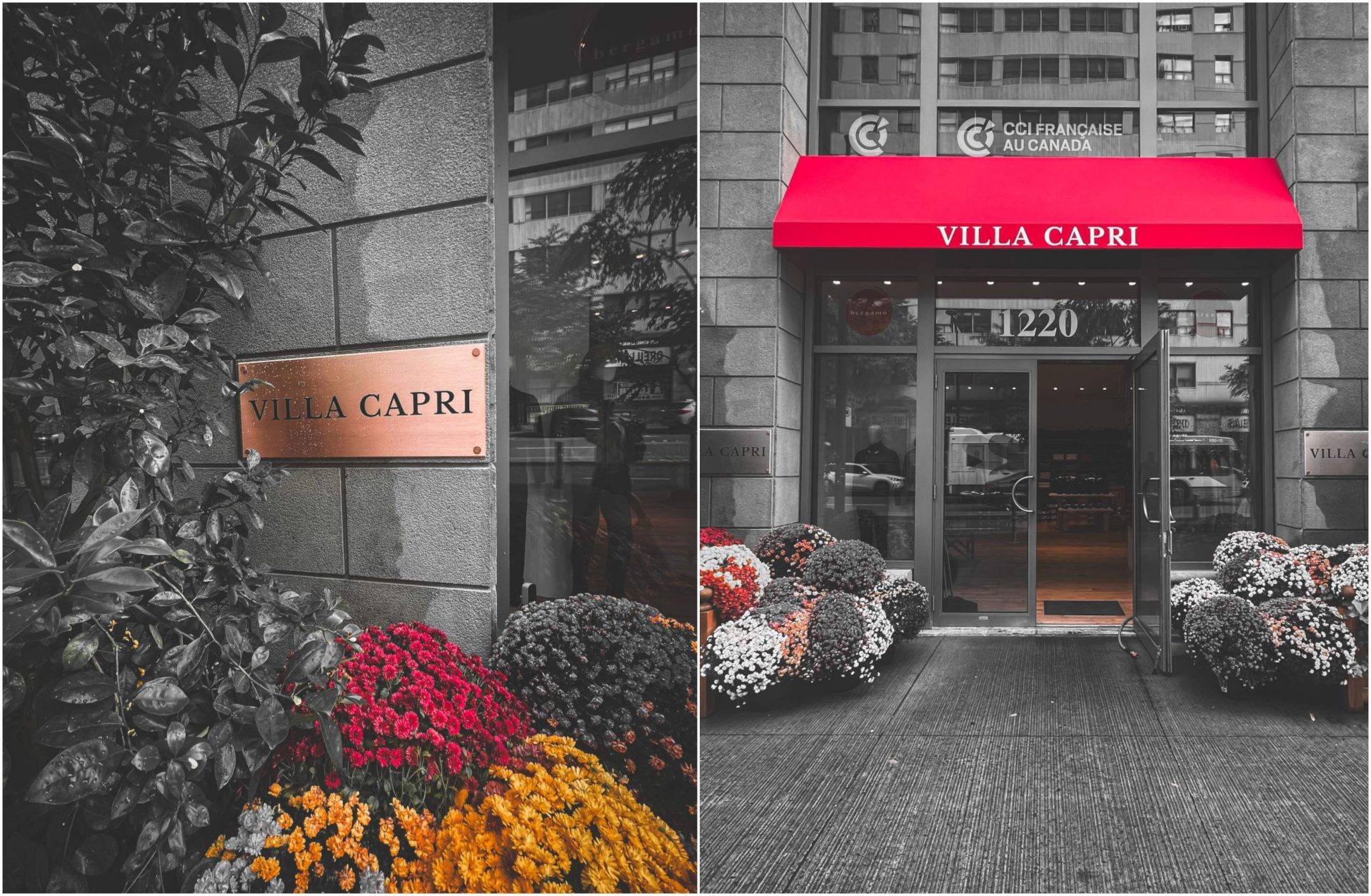
How signs shape Canadian cityscapes
If you want to understand a Canadian city, walk its commercial streets after dark. Signs become the voice of a street—how places announce themselves. Done well, signage adds legibility to the city: easier navigation, more comfortable exploration, and stronger neighbourhood character. Done poorly, it becomes clutter—overlit, inconsistent, competing.
Brand trust
The sign is the handshake
We often say in the shop: the sign is the business’s handshake with the public. Trust comes from details customers don’t consciously list, but always register—clean edges, accurate colour, balanced illumination, solid installation, and a maintained appearance that signals pride and stability.
Why signmakers are essential partners—not just suppliers
The best clients treat us like partners early, because signage touches visibility, branding, permitting, construction co-ordination, and long-term upkeep. When we are brought in late, projects tend to be rushed and compromised.
A Canadian sign maker’s value isn’t only fabrication. It’s lifecycle thinking: translating brand standards to real sites and real weather, choosing materials that won’t embarrass the brand two winters from now, designing for serviceability, navigating municipal processes, and protecting first impressions in every season.
The takeaway
In Canada, commercial signage is a practical tool with civic impact. Lighting, materials, maintenance, and permitting aren’t side details—they’re what separates a sign that simply exists from a sign that performs.
When a sign works, the business works better. That’s why sign makers aren’t just vendors. We’re essential partners that help brands show up confidently—on the street, in the neighbourhood, and in the cityscape itself.
Lee Murphy is the director of business development at Access Signs. With 19 years in the signage industry, he moved from operations to sales in 2012. Murphy serves as president of the AQIE provincial board and on the national board of the Sign Association of Canada (SAC). He was named to the ISA Elite program in 2019 for young industry leaders and maintains connections across the U.S. and Canada. In 2024, he was awarded the Volunteer of the Year award by SAC.

Sign up for our newsletter
Featuring breaking news from Canada's sign and graphics industry.
Products



Read the Latest Issue
