
Routing revenue: How smart CNC routers boost profit
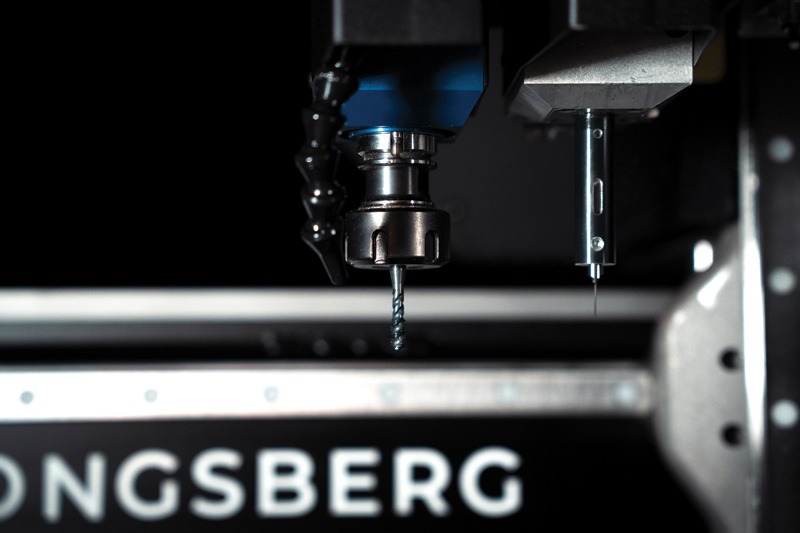
Sign shops continue to navigate a challenging landscape driven by evolving customer demands, faster and more complex workflows, new sustainability regulations, and rising costs. All of these have a significant impact on operations, labour time, and revenue. As a result, maximizing efficiency and machine utilization are more important than ever.
To support these demands, sign shops are looking at all areas of production, including their routing workflows. Paying close attention to small inefficiencies is also critical, as they can have a real impact on improving production, reducing waste, and, importantly, maximizing profitability.
Measure what matters
To start off the process, it is useful to build a clear picture of what basic performance metrics are available to guide decisions and highlight where exactly in the routing process inefficiencies are stemming from. This can include metrics on machine uptime, material yield per sheet, average setup time per job, and scrap and remake frequency.
Building this understanding can help to highlight where workflow changes can be made to maximize machine utilization, remove manual intervention steps that aren’t required, and minimize material waste. In my experience, we see that undertaking this exercise often brings up the same recurring workflow challenges for our sign shop customers. But the good news is that small steps can be taken to resolve workflow inefficiencies and ensure sign shops are getting the best out of their computer numerical control (CNC) routers.
First, one of the biggest efficiency gains comes before the CNC machine even starts routing—in file preparation, tool changes, and manual intervention steps. By addressing job flow and unnecessary handling, sign shops can reduce time wasted on these processes, and since, ultimately, time lost between jobs is unbillable, streamlining this element of the workflow can keep CNC routers performing more consistently, which directly impacts revenue.
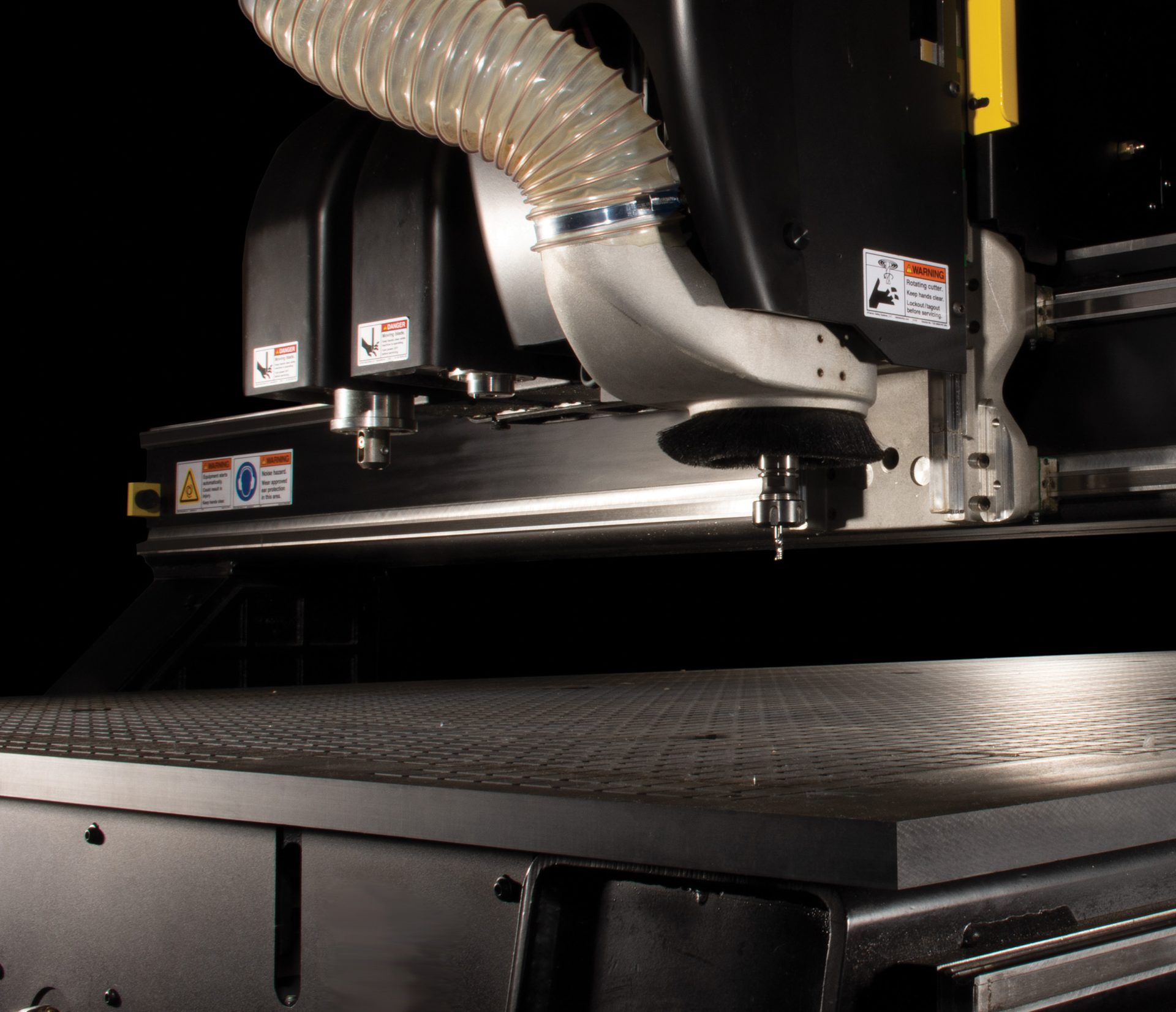
Modern CNC routers, like the MultiCam Apex3R Evo, aim to address this. They are designed to reduce bottlenecks by supporting end-to-end workflow continuity. Software and file format compatibility is also crucial here. These systems are often compatible with widely used software, allowing sign shops to move from design to routing with minimal rework or file conversion. This, therefore, reduces handling errors, shortens setup time, and helps keep machines running consistently rather than sitting idle.
Smarter planning = reduced waste
Once workflow has been addressed, waste is the next area to look at. Material waste has one of the most visible impacts on profit in sign production, especially when working with premium materials such as aluminum composite, acrylic, and wood panels.
The best way to address this is to ensure that sufficient upfront planning and nesting optimization are in place to maximize sheet usage and reduce offcuts. True-shape and mixed-job nesting also enables jobs to share cut lines and use leftover space effectively.
Here again, the Apex3R Evo has several advantages. Nesting software included in the elevated Coreo Command Advanced package runs alongside the router to ensure the material is being fully utilized to minimize waste. It also offers a range of table sizes, providing flexibility for users to select a product that suits their size needs based on the signage they are regularly producing and the material size.
We also recommend that sign shops consider investing in a machine with a larger working area, which provides versatility to handle a wider variety of projects and work with a more diverse range of materials, which is beneficial for business growth. What’s more, a longer machine enables “pendulum processing.” This is a setup where a machine operates on one table while an operator loads and unloads parts on another table. This allows operators to set up two standard sheet sizes on a table simultaneously. As a result, one sheet can be actively worked on while parts can be removed, or new sheets can be loaded at the other end of the machine.
The power of flexible tooling
Sign shops rarely work with the same material all day, and inefficiencies appear when machines need to be constantly reconfigured to work with different substrates. Therefore, to maximize CNC machine utilization, flexible tooling is critical.
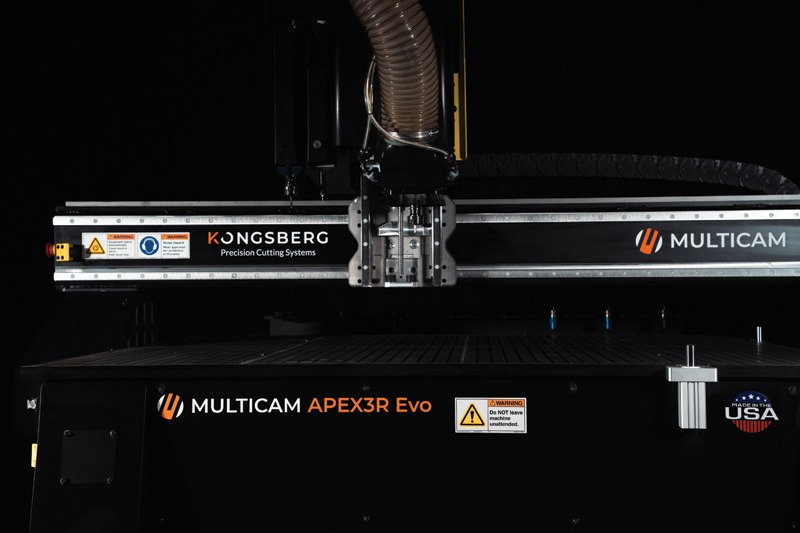
Enhancing finish quality, flexible tooling is also important for achieving cleaner finishes, which correlate to less hand-finishing requirements, fewer remakes, and faster turnarounds. Here again, this links to lower manual intervention requirements and reduced waste.
Modern CNC routers address this with spindle options, with some ranging up to 13.3 HP, suitable for dense materials and high-quality edge finishes. A condensed knife system, including electric oscillating knives with adjustable stroke lengths, also allows for fast transitions between routing and knife cutting. Flexible tooling options also mean that sign shops can add tooling as applications evolve, rather than replacing the machine.
Furthermore, an automatic tool changer (ATC) increases efficiency in the tool changing process, reducing sheet-to-sheet time and boosting productivity. It also offers support for multiple tool types in a single job, again reducing machine downtime.
When workflow efficiency, waste reduction, and machine utilization are addressed together, the financial impact becomes clear. More routing time equates to more billable hours per day. Less waste means there is a lower material cost per job. And more efficiency leads to faster turnarounds and improved customer satisfaction.
Conclusion
By investing in flexible, highly-precise CNC routing platforms, sign shops can make the most of their equipment, aligning smarter workflows, materials, and making the most of their key resources—their people.
This makes looking at maximizing machine utilization in a new light for business owners, i.e., as a resource that can significantly improve profitability without increasing production pressure. Rather than viewing CNC efficiency as a simple technology upgrade, leading sign shops are treating it as a process mindset shift. I strongly believe that more sign shops should be following their lead.
Stuart Fox is president and CEO of Kongsberg Precision Cutting Systems and MultiCam.
Sign up for our newsletter
Featuring breaking news from Canada's sign and graphics industry.
Products



Read the Latest Issue

