
POP displays: A cut above
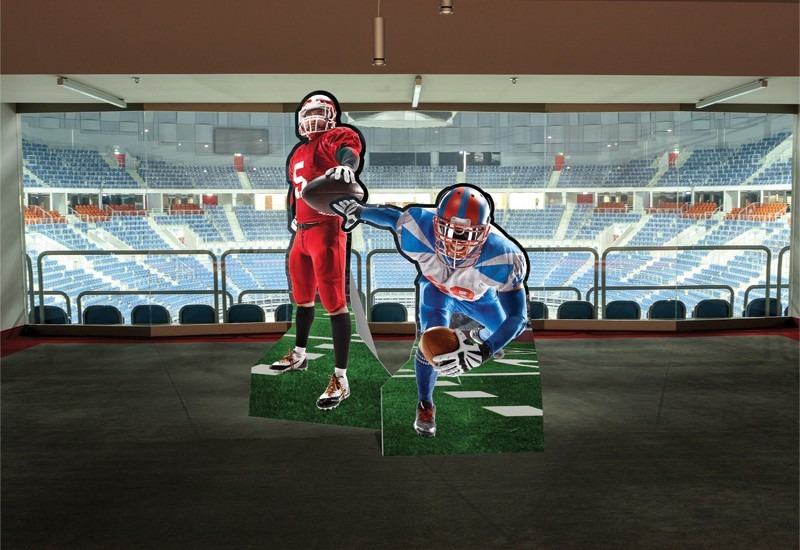
Point-of-purchase (POP) displays have always served an important role in retail, but the way they are produced, customized, and delivered is changing quickly. For print service providers (PSPs), this shift creates a strong opportunity to move beyond traditional signage and into more complete, higher-value campaign support.
The digital shift in retail signage
In many ways, digital printing has shaped the modern POP display industry. Years ago, many POP applications were limited by the cost and complexity of setup. If a campaign required a short run, a customized version, or a one-off prototype, the economics did not always make sense. Today, digital print-and-cut workflows have changed that equation. With lower setup costs and the ability to print directly to a wide range of rigid substrates, PSPs can produce short-run work, customized displays, and even single unique POP pieces in a way that is both practical and economically viable.
That is one of the most important shifts in the market. POP production is no longer only about producing a large quantity of the same item. It is increasingly about flexibility. Brands and retailers want displays that can support seasonal promotions, regional campaigns, test programs, product launches, and store-specific needs. Digital printing gives PSPs the ability to respond to those needs faster and with more creative freedom.
This has also changed the type of work being produced. We are seeing a move from standard banners and simple flat signs toward shaped graphics, dimensional displays, direct-to-board printing, and more complete retail environments. POP is no longer just a printed message placed near a product. It is part of the product experience.
Why print competes with digital marketing
Even in a digital-first marketing world, printed POP continues to matter. Digital marketing is powerful, but it is also temporary. An online ad can disappear in seconds, be skipped, or be replaced by the next message almost instantly. In-store POP has a different kind of presence. It is physically there with the customer at the moment of decision. It does not change when the shopper turns down the aisle, and it does not have to compete with another digital ad 15 seconds later.
That physical presence gives printed POP a unique advantage. A well-designed display can hold attention longer, complement the product’s esthetic, and create a more tangible brand experience. In many cases, it also gives the customer the chance to interact with the product directly. That matters because retail is still a sensory environment. Customers can see the display, touch the product, compare options, and make decisions in the moment. Online marketing can influence awareness, but POP can influence action at the shelf.
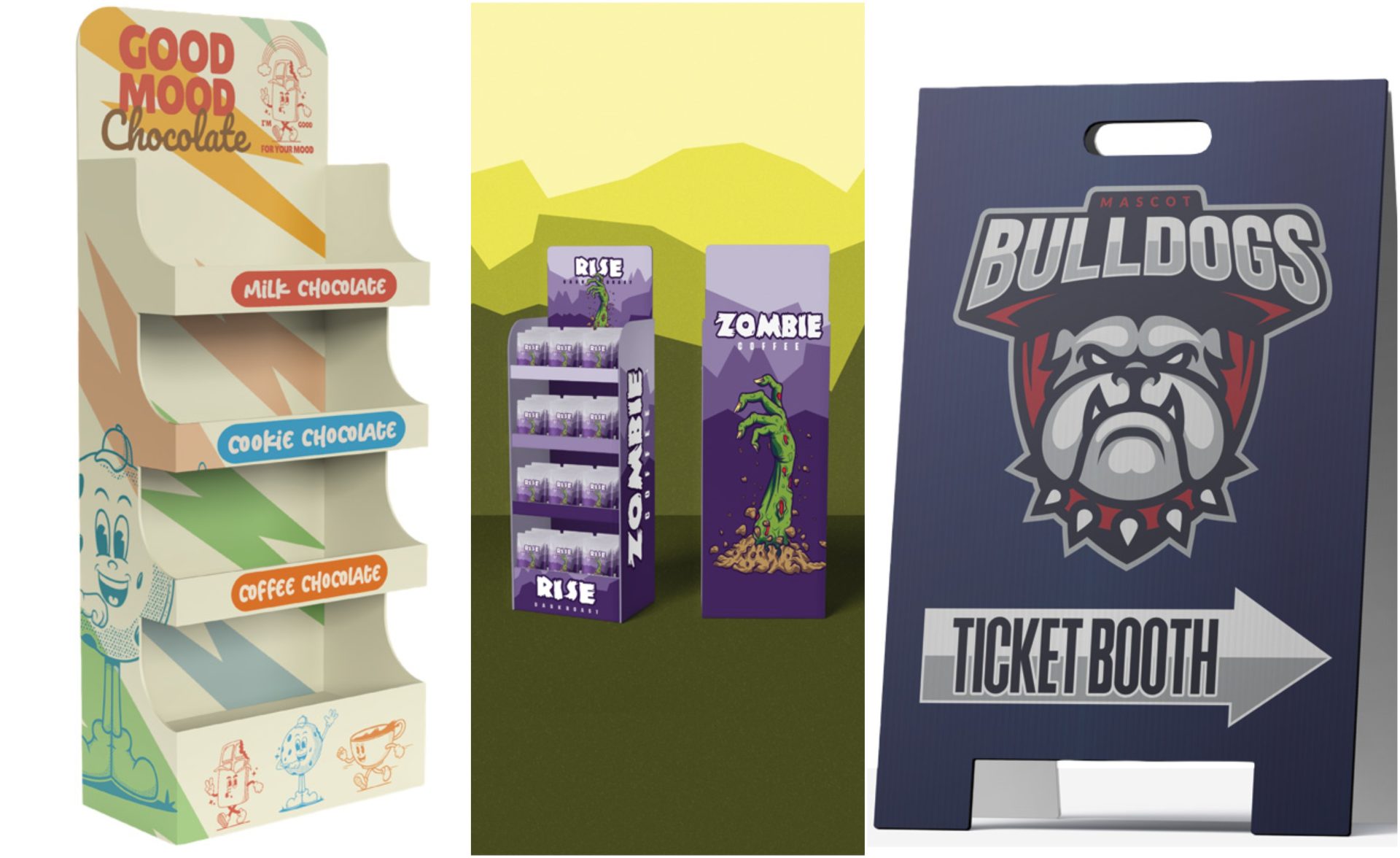
This is especially important for impulse purchases. A display positioned in the right place, with the right structure and messaging, can reach a shopper when they are already in a buying mindset. Instead of asking the customer to click, scroll, or remember a product later, POP puts the product right in front of them. That immediacy is difficult to replicate online.
At the same time, higher expectations are being placed on POP producers. Brands, retailers, and agencies are looking for cost-effective ways to produce displays with shorter turnaround times and more customization. They may need a seasonal display, a limited regional rollout, a prototype for testing, or a campaign with multiple versions. They want speed, but they also want quality and flexibility.
Streamlining production
This is where digital print technology has become important. Direct-to-board UV printing, for example, can eliminate steps that were common in more traditional workflows, such as printing to a separate material and then mounting or laminating. By printing directly to the board, PSPs can streamline production, reduce handling, and move from file to finished piece more efficiently. For short-run and versioned work, that efficiency can make a major difference.
Digital technology has also changed the sales and prototyping process. In the past, producing a tangible prototype could be expensive or time-consuming. Today, PSPs can create a physical sample more economically, giving brands and retailers something they can evaluate, approve, and refine before committing to a larger campaign. That can make the entire sales process smoother. Instead of relying only on a rendering or concept, the customer can see how the display will look and function in the real world.
Print is only one part of the POP opportunity. Structural design and finishing are just as important.
A POP display is not simply a graphic. It needs to stand, fold, hold product, survive shipping, fit into a retail environment, and communicate the brand message clearly. That makes structural design a critical part of the process. For many PSPs, this can feel like a barrier because POP often requires a deeper understanding of materials, folds, cut paths, creasing, routing, and assembly.
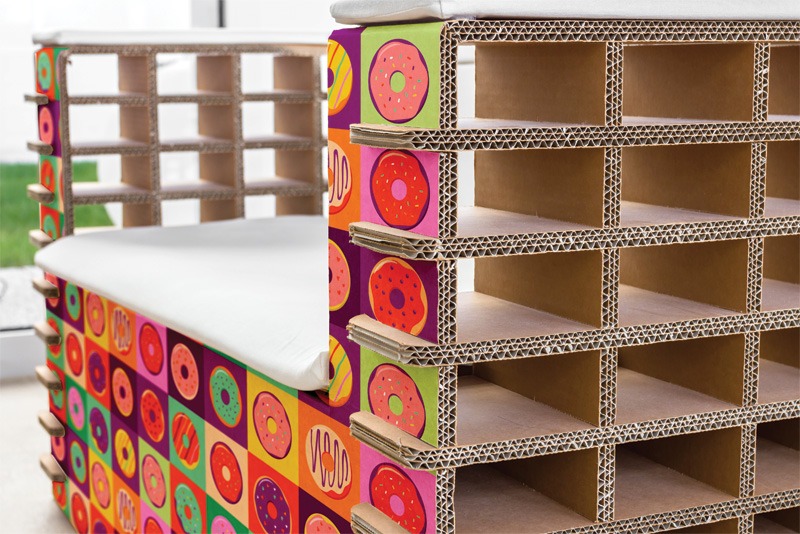
The good news is that design-to-production workflows have improved dramatically. Software—such as EngView Systems—can help streamline the process from structural design through finishing. With parametric design libraries, a design can be adjusted for a new material or size with just a few changes, instead of requiring every measurement to be rebuilt manually. That can help reduce guesswork and make it easier to create a viable product or prototype on the first attempt.
This is especially valuable in POP and packaging workflows, where structure and graphics need to work together. Software’s role in packaging and POP structural design, along with 3D visualization, gives PSPs and their customers a clearer view of the finished piece before production begins, reducing uncertainty. A customer can better understand how the display will look, how it will assemble, and how the graphics will appear on the final structure.
That kind of visualization can also reduce handoff errors. In many production environments, the more steps and departments involved, the more chances there are for miscommunication. A smoother workflow between structural design, print layout, and cutting helps keep the project aligned from concept to finished display. For PSPs, that means fewer mistakes, faster approvals, and an efficient customer experience.
The complete printing ecosystem
This is where integrated systems become important. At Mimaki, our work with the JFX Series flatbed printers, CFX Series cutting tables, and EngView Systems is focused on helping PSPs connect those pieces of the workflow. The Mimaki Complete Packaging Solution is a good example of how print, cut, and structural design can come together for packaging and POP applications. The goal is not just to print a board or cut a shape. The goal is to create a smoother path from idea to finished product.
The volume also matters. For higher-volume POP production, the JFX600 Series offers the speed and productivity needed for larger campaigns and direct-to-board applications. For lower- to mid-volume work, specialty applications, or prototyping, the JFX200 Series can provide a strong entry point into rigid display production. The CFX Series then supports the finishing side, helping PSPs cut, crease, route, and finish applications in-house. Together, these tools can help providers expand from flat signage into more dimensional and campaign-driven work.
That expansion is where I see one of the biggest opportunities for PSPs moving forward.
Many print providers already understand colour, branding, deadlines, and customer service. The next step is to become more consultative about how to support retail campaigns. Instead of only taking an order for a sign or display, PSPs can help customers think through how the display will be used, how it will be produced, how it will assemble, how it will ship, and how quickly it can be modified for the next campaign.
Bringing finishing in-house is a major part of that opportunity. When finishing is outsourced, the PSP often gives up time, control, and flexibility. Outsourcing may still make sense in certain situations, but it can also create delays and limit what a provider is able to offer. By adding in-house cutting and finishing capabilities, PSPs can reduce turnaround times, keep more of the work under their own roof, and expand their application portfolio.
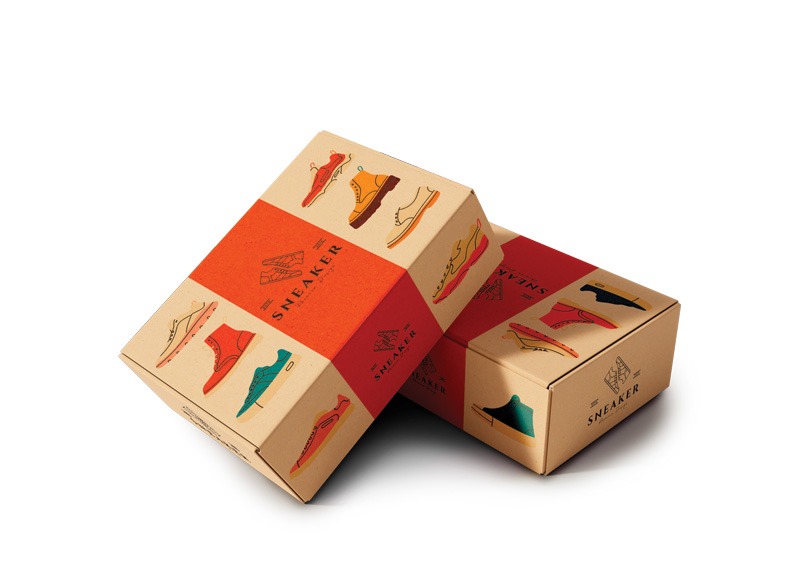
That can open the door to more than POP displays. It can lead to packaging prototypes, short-run packaging, dimensional signage, corrugated displays, retail fixtures, event graphics, and customized promotional structures. It also allows PSPs to say yes to more complex projects and support customers from concept through completion.
Of course, there are still barriers. One of the biggest is simply knowing what tools are available and understanding how much the workflow has evolved. Some PSPs may assume that POP display production is too complex or that structural design requires too much specialized experience. While there is still a learning curve, software and integrated workflows are making the process more accessible than it used to be.
Tools for the future
That does not mean every PSP needs to become a full structural engineering firm overnight. But it does mean PSPs should look at where their customers are going. Brands want faster turnarounds, shorter runs, more customization, and more creative retail experiences. Retailers want displays that feel relevant, professional, and efficient to produce.
POP is becoming faster, more flexible, and more creative. It is being shaped by digital print, improved workflow software, and the growing need for localized, short-run, and campaign-specific production. For PSPs, the opportunity is not just to print more graphics. It is to become a more valuable production partner, one that can help customers test ideas, produce dimensional displays, reduce outsourcing, and bring campaigns to market faster.
In-store marketing is not going away. It is evolving. And for PSPs willing to invest in the right workflow, POP displays offer a strong path into higher-value, application-driven growth.
Hugo Gonzalez is a senior segment specialist at Mimaki.
Sign up for our newsletter
Featuring breaking news from Canada's sign and graphics industry.
Related Products

Read the Latest Issue

