
A new mural puts Indigenous stories in the driver’s seat
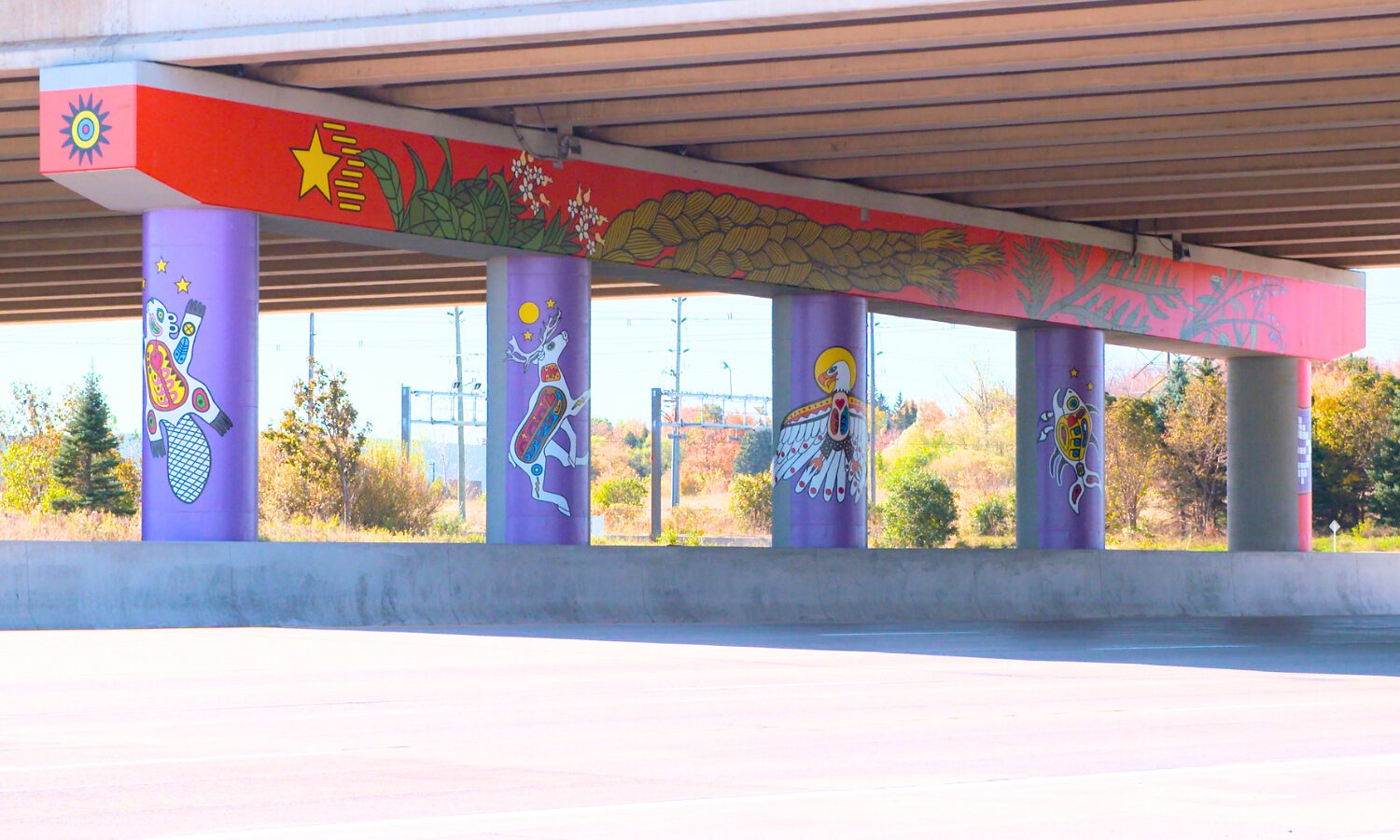
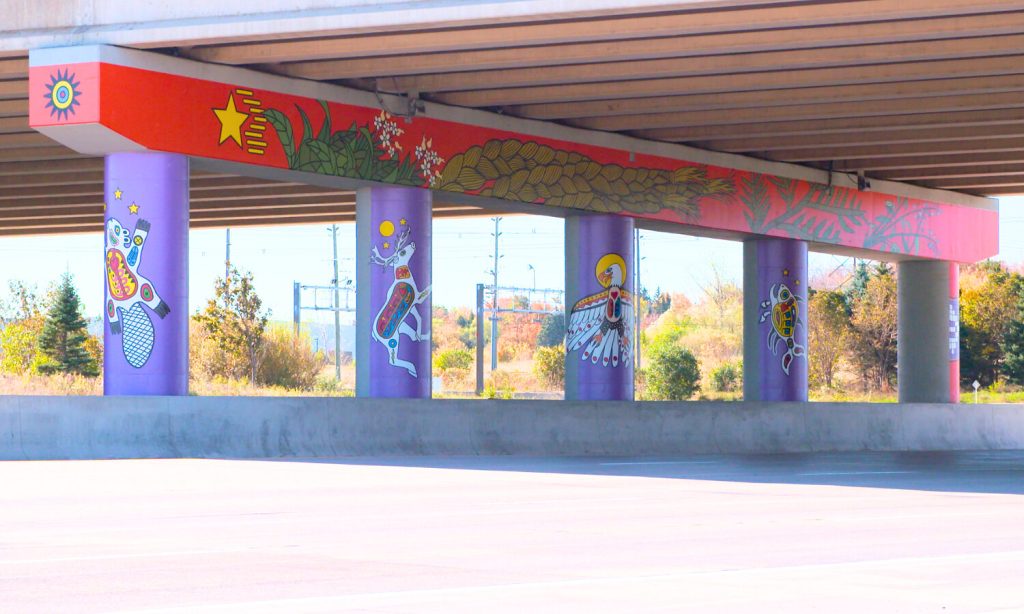
A new mural along Ontario’s Highway 407 ETR is bringing Indigenous stories and Anishinaabe teachings into the daily journeys of hundreds of thousands of motorists.
Created by Indigenous artist Philip Cote, the large-scale artwork covers the Mississauga Road bridge, within the Treaty Lands and Territory of the Mississaugas of the Credit First Nation. It is the first large-scale mural commissioned by 407 ETR and is expected to be seen by an average of 800,000 drivers and passengers each week.
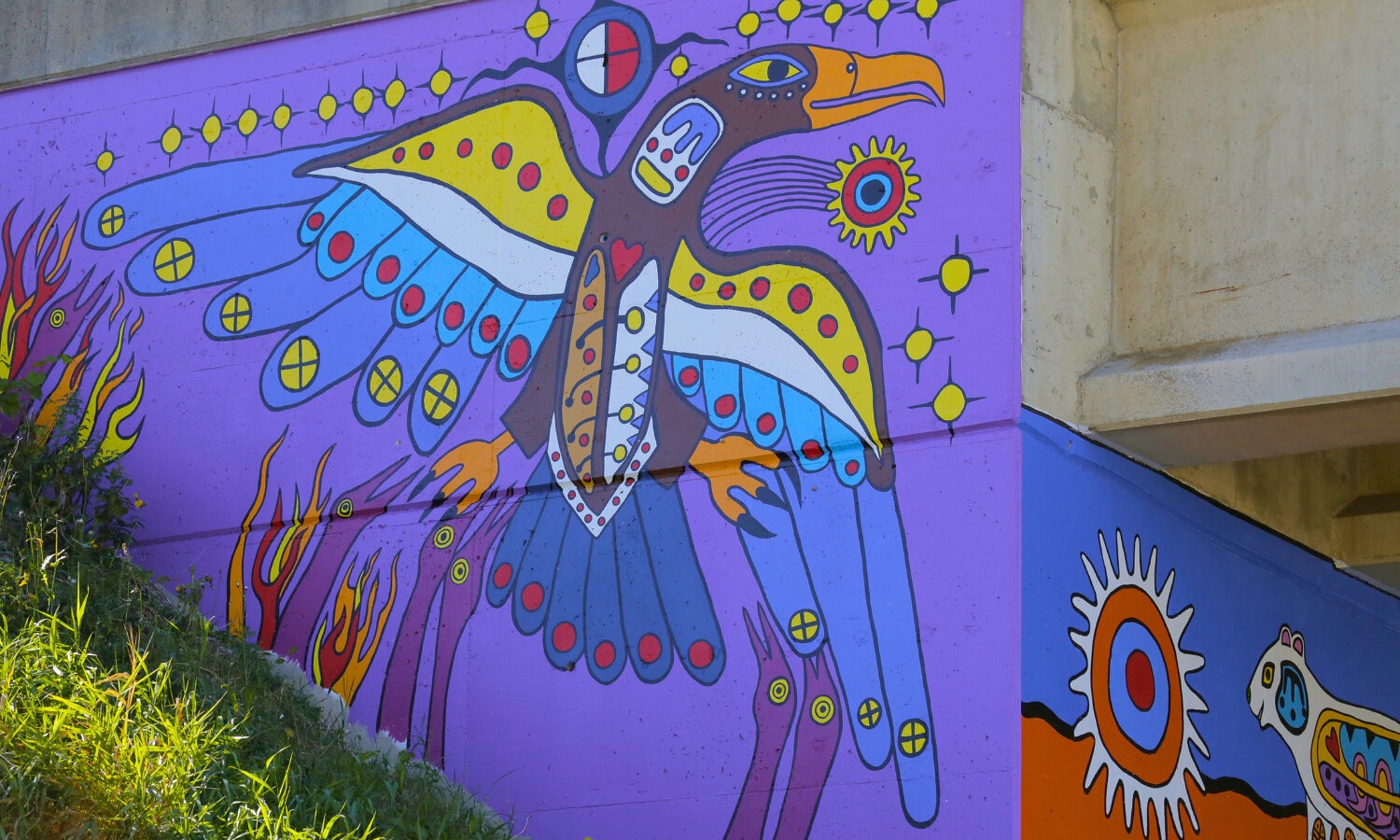
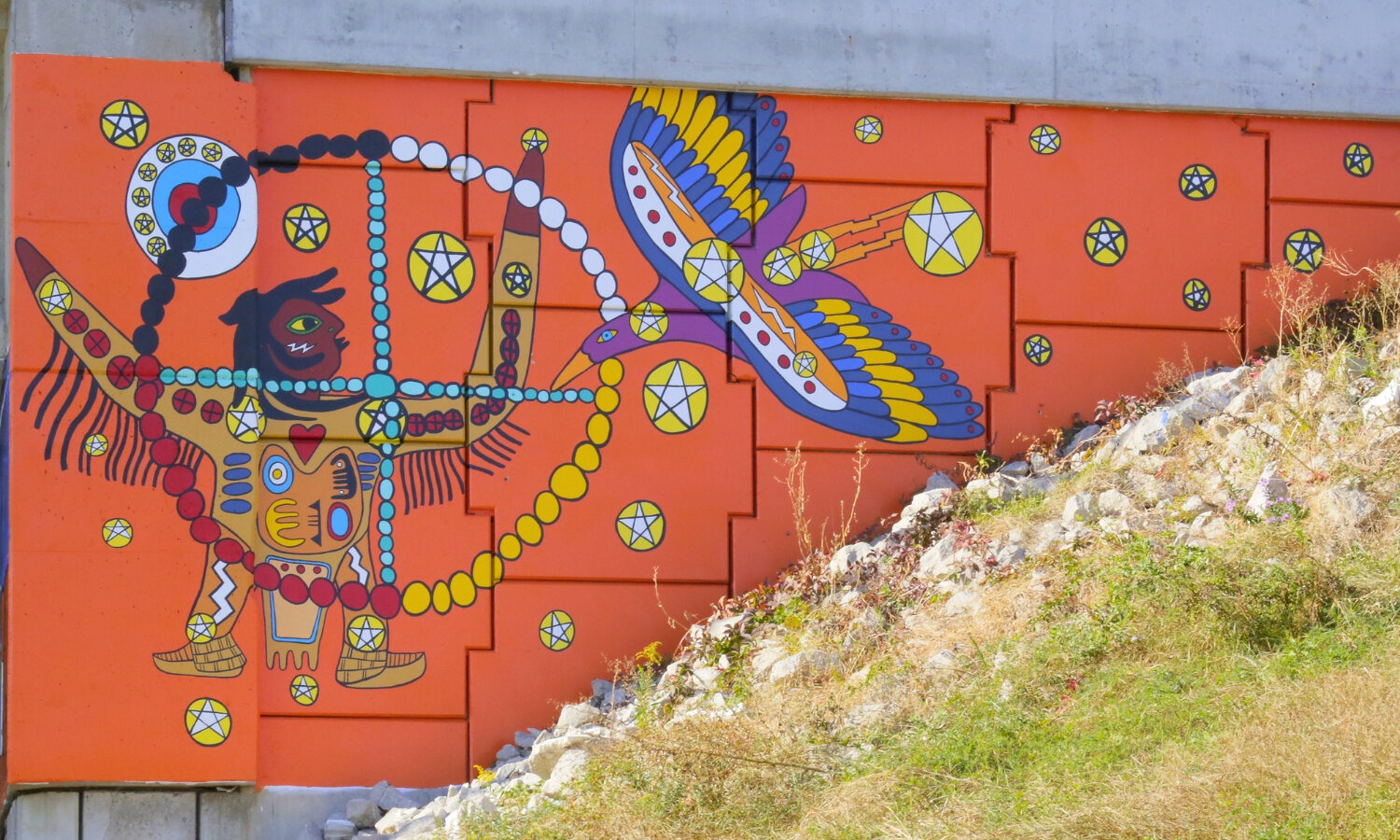
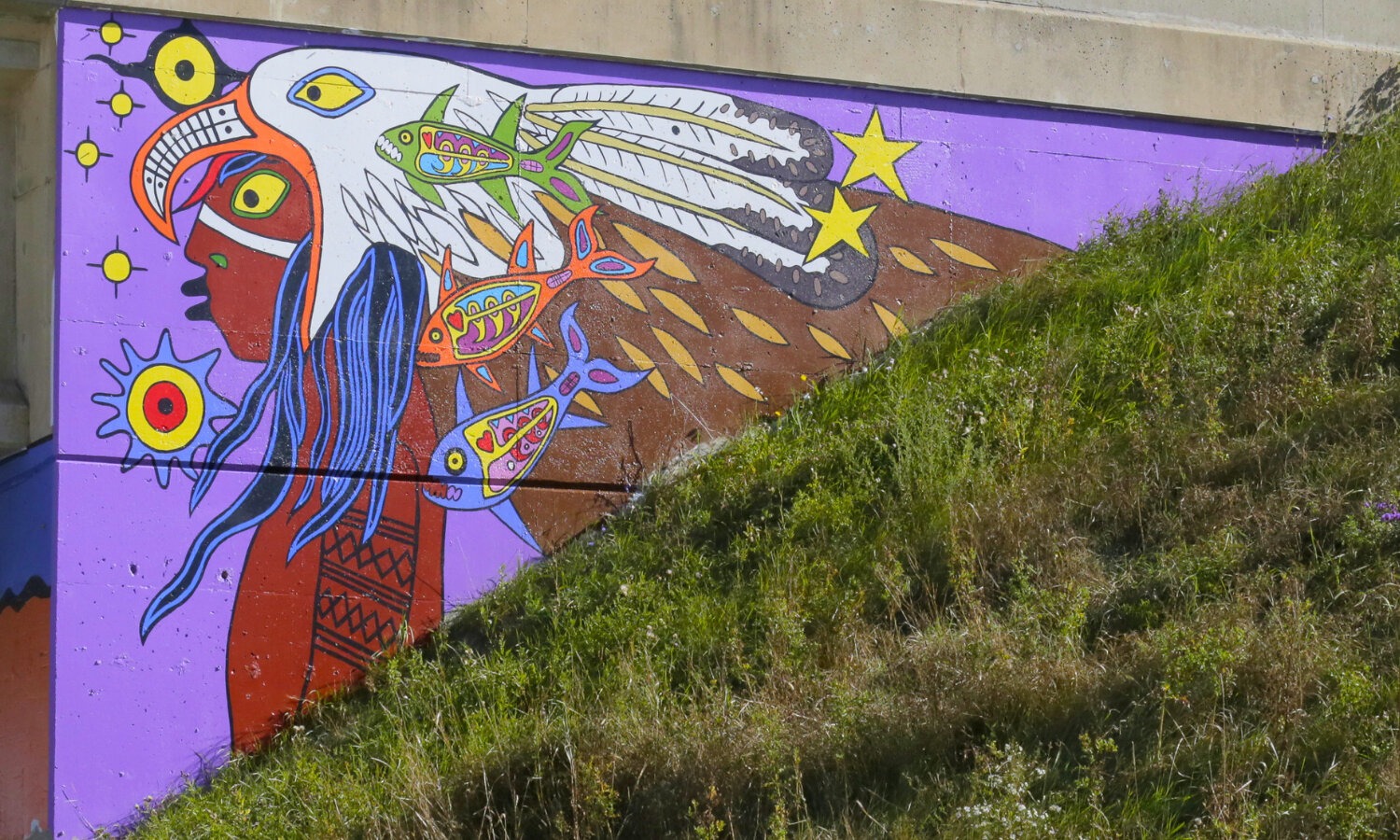
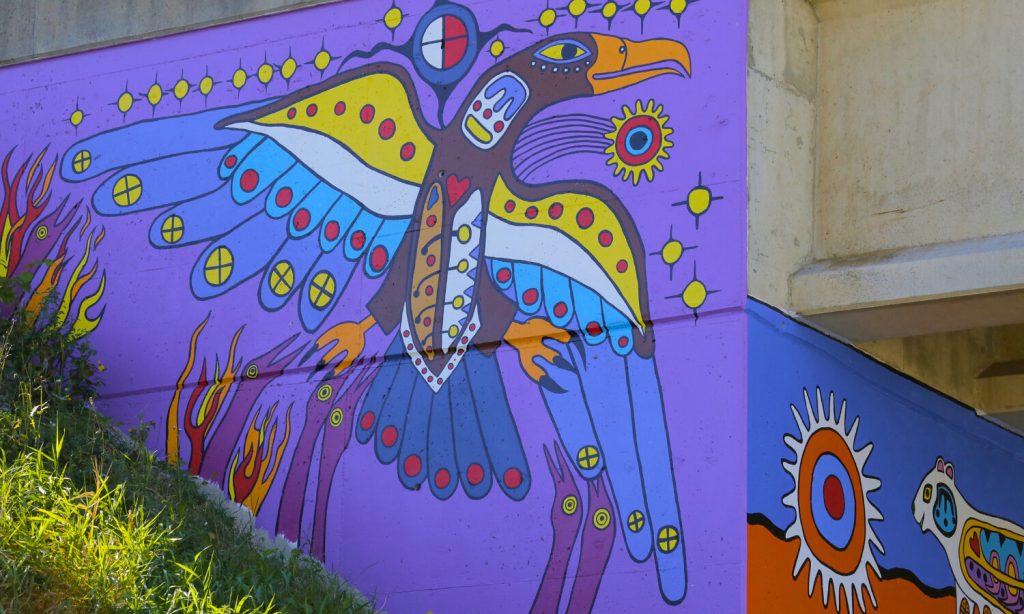
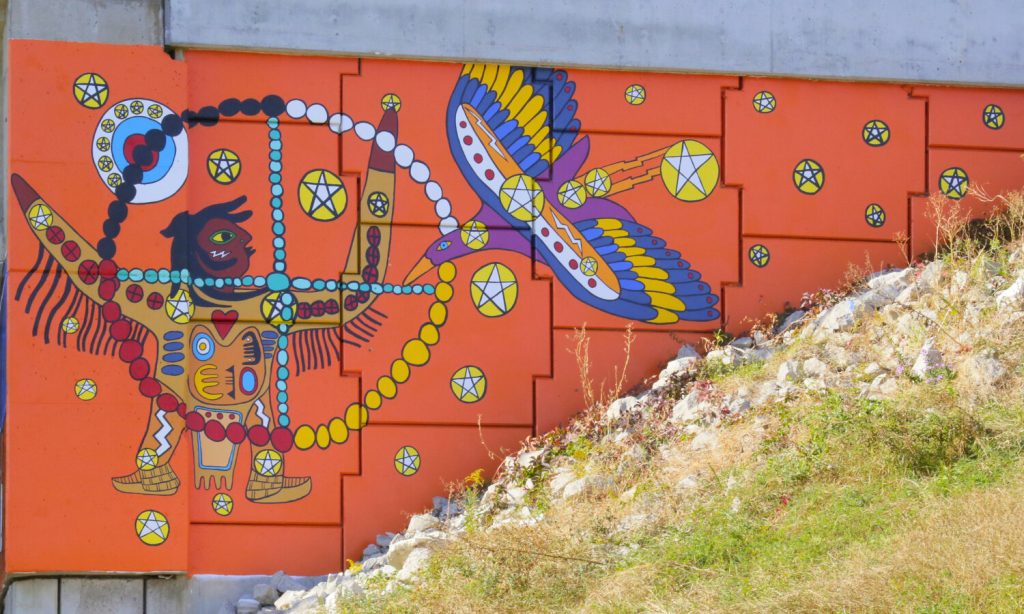
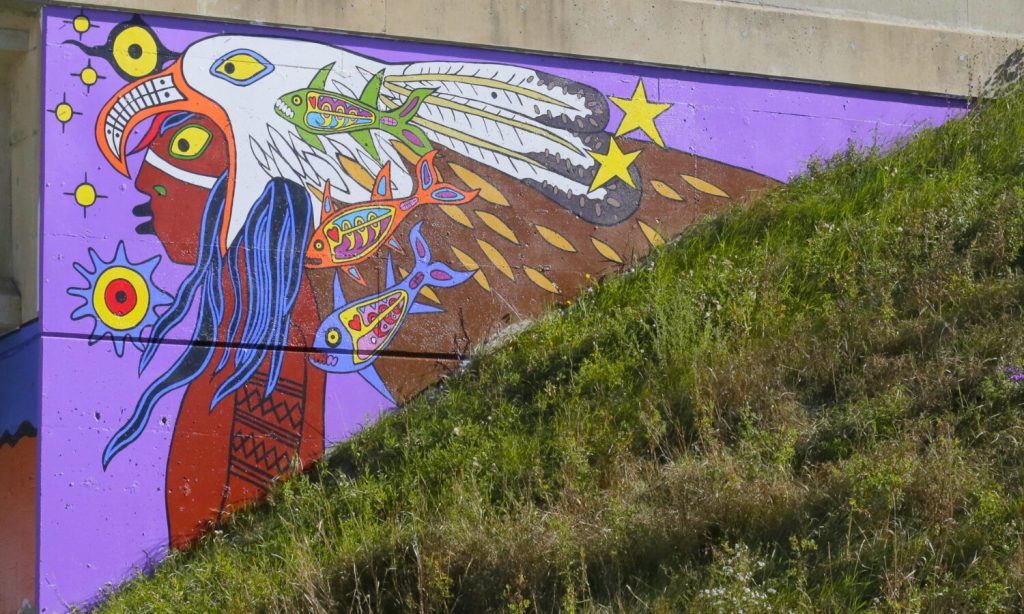
Commissioned in June and completed in October 2026, the mural uses the Indigenous Woodland art style to explore the cultural, spiritual, and ancestral connections of the Mississauga and Ojibwe Peoples to the land.
Its imagery includes the Medicine Wheel, animal clans, sacred medicines, stars, and changing seasons, reflecting themes of identity, renewal, and the interconnectedness of people and the natural world.
Cote, an artist, educator, and cultural interpreter from Moose Deer Point First Nation, said the goal is to bring Indigenous stories into everyday spaces, “helping people see the deeper history of the land around them. What this art does is break down barriers, allowing people to see who the Indigenous people really are.”
Investments and partnerships
407 ETR celebrated the mural’s completion on October 30 with Cote, representatives from the Mississaugas of the Credit First Nation, and company employees.
The project builds on 407 ETR’s Indigenous placemaking partnership with Credit Valley Conservation (CVC). In September, the company announced a $1.5-million investment over three years toward the Giigoonh (Fish) Doodem Indigenous Placemaking Site at CVC’s Charles Sauriol Conservation Area in Caledon, Ont. The project partners expect construction to begin in 2027 on an interpretive trail celebrating Fish clan families and sharing Anishinaabe teachings.

Sign up for our newsletter
Featuring breaking news from Canada's sign and graphics industry.
Read the Latest Issue
