
Technology in practice at PRINTING United Expo 2026
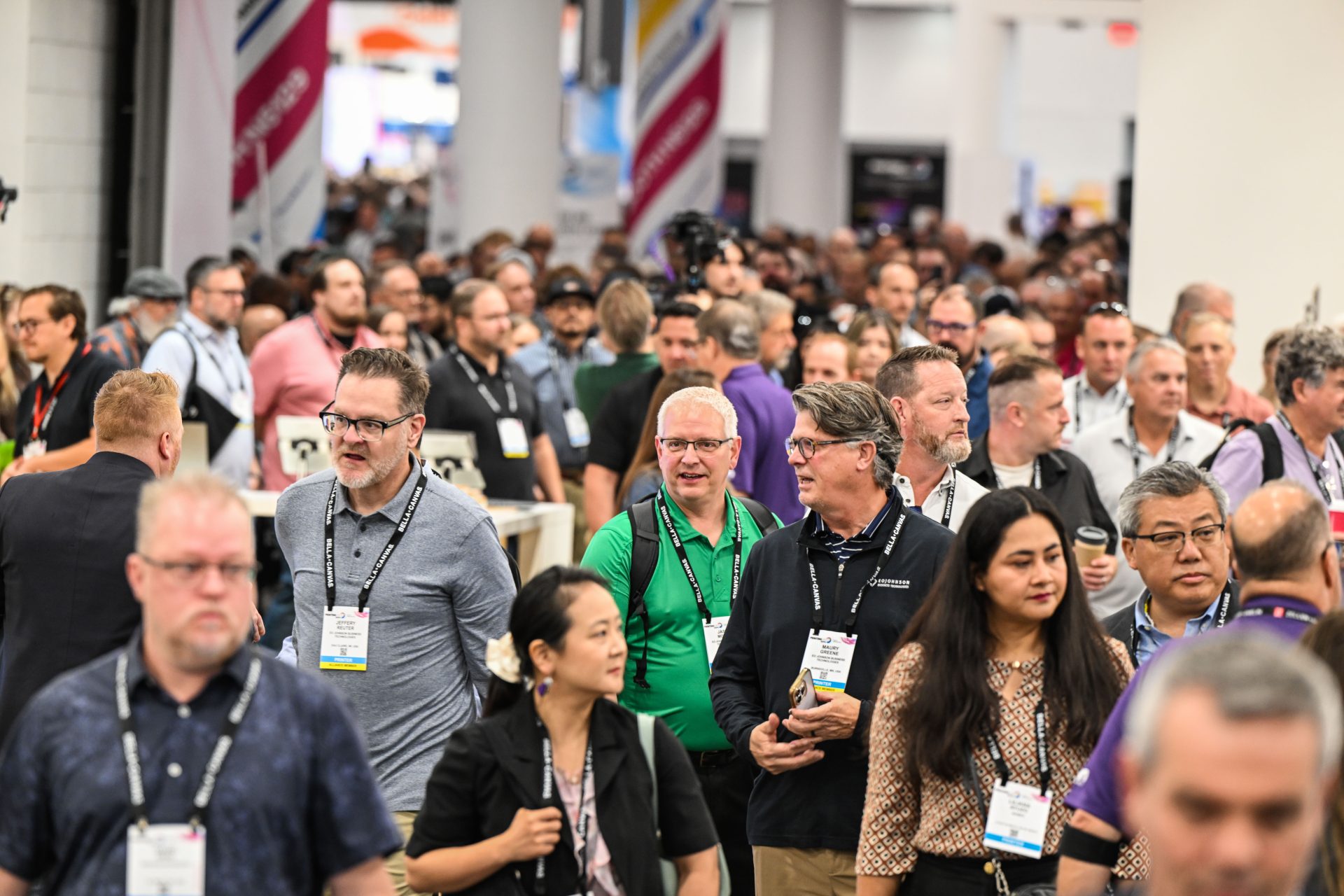 There is a particular feeling that comes with walking into a trade show the size of PRINTING United Expo.
The Las Vegas Convention Center is already a lot to take in. Add more than 850 exhibitors, approximately one million square feet of exhibit space, machines running, demonstrations happening, and people moving between sessions and booths, and there is no shortage of things competing for your attention.
After spending Media Day listening to manufacturers and technology providers talk about what is coming next—and then walking the show floor to see those technologies operating—Sign Media Canada’s biggest takeaway was not simply that the industry is embracing new technology. It is that the conversation is becoming much more practical.
Media Day: From What if? to Here’s how
Media Day began with a look at where the print industry is heading.
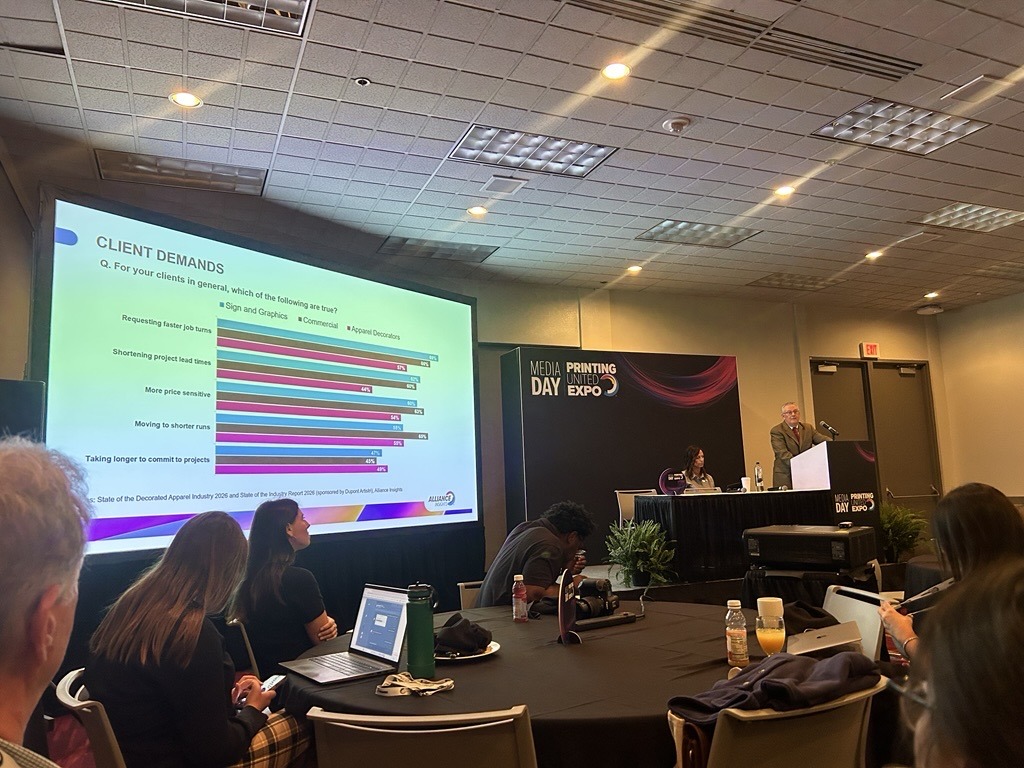
Alliance Insights by Alliance chief economist, Andy Paparozzi, opened with data showing a market under pressure. While sales increased in the first half of 2026, real growth was smaller as operating costs continued to outpace price increases. Customers are asking for faster turnaround, sales cycles are getting longer, and profitability remains a concern. At the same time, the research points to opportunities for companies willing to diversify, automate, and rethink how they operate.
That context gave the presentations that followed a common thread.
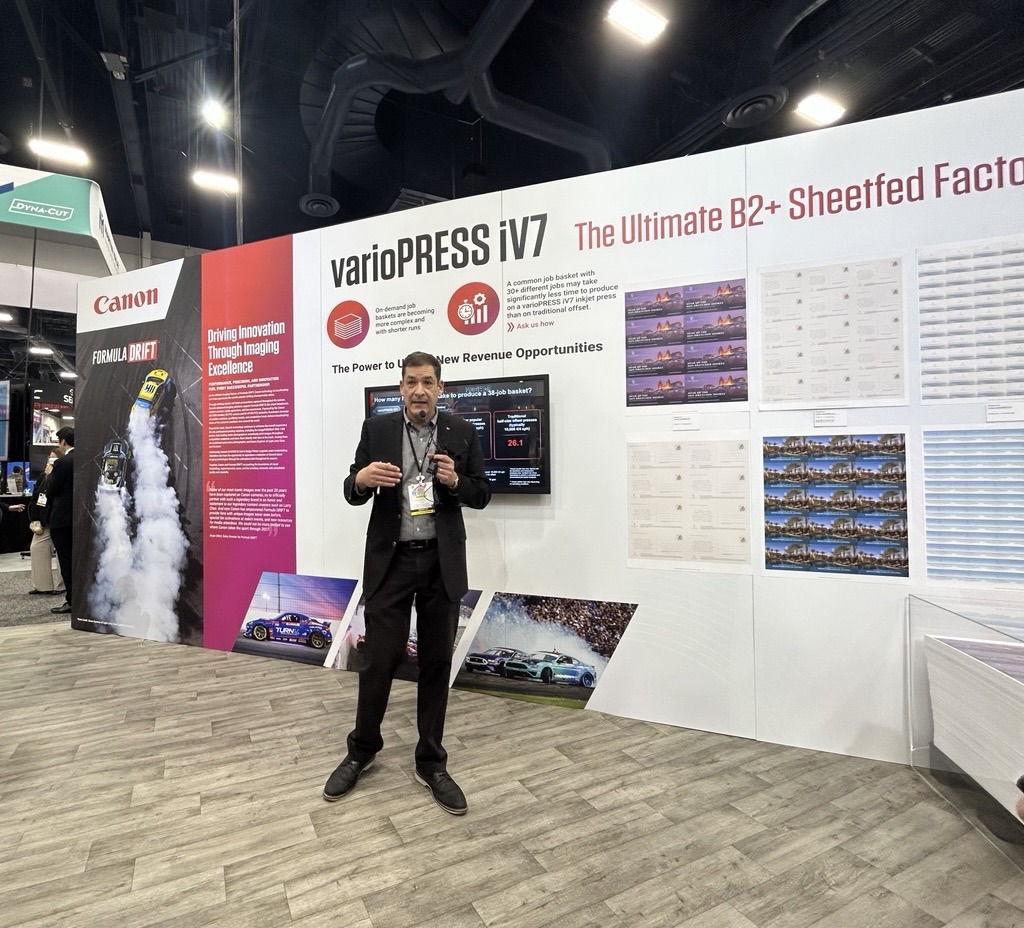
Across presentations by Canon, BELLA+CANVAS, Adobe, Agfa, Durst, Mimaki, Fujifilm, Müller Martini, and STAHLS’, the focus was less about predicting what technology might eventually do and more about how it is already changing the way print is produced, sold, and delivered.
Artificial Intelligence (AI) was part of that conversation, but it was increasingly presented as infrastructure rather than a novelty. From prepress and workflow to production data and knowledge capture, the emerging question is how AI can become embedded into everyday operations.
Automation was another recurring theme. But the future being presented was not just about replacing manual tasks. It was about connecting systems, reducing friction, improving throughput, and allowing businesses to respond to shorter turnaround times and increasingly complex customer demands.
The same thinking was evident in the industry’s movement toward convergence. The boundaries between commercial print, wide format, packaging, apparel, and other applications continue to blur. Even embellishment fits into that bigger picture.
Perhaps the clearest statement of the industry’s direction came from Müller Martini: “We should partner, not compete.”
The show floor
Figures released by the Alliance put attendance at 27,000 registered visitors from 100 countries, with more than 850 exhibitors. More than 4.9 million pounds of equipment and tech were brought onto the floor, alongside product introductions and North American and global debuts.
On the floor, machines were running. Samples were being produced. Demonstrations were happening. And conversations often moved beyond specifications into applications, workflow, productivity, and business opportunities.
The PRINTING AI Pavilion was a good example. Rather than treating AI as one giant solution, sessions focused on practical applications across workflow, automation, production, sales, and business operations.
That distinction matters because a commercial printer does not necessarily have the same needs as a wide-format shop, packaging operation, apparel decorator, or industrial printer.
The technology has to fit the business—not the other way around.
Seeing the connections
The tours helped put that idea into context.
At Roland DG, demonstrations ranged from cylindrical object printing and dimensional wallcoverings to industrial printing and extended colour gamut latex print-and-cut.
Müller Martini brought its “Stronger Together” theme to life through connected equipment and partner technologies, including Hunkeler, Heidelberg, and Solema. Integrated workflows demonstrated how inspection, binding, trimming, and automated palletizing can work together. That was the partnership message from Media Day made visible.
A glimpse into Durst’s Open Software Initiative was also indicative of the growing convergence between software and hardware, with an open, vendor-neutral approach. It’s an industry moving toward more partnership and less competition.
And then there were the people
Booths were not simply places to display equipment. They were places to ask questions.
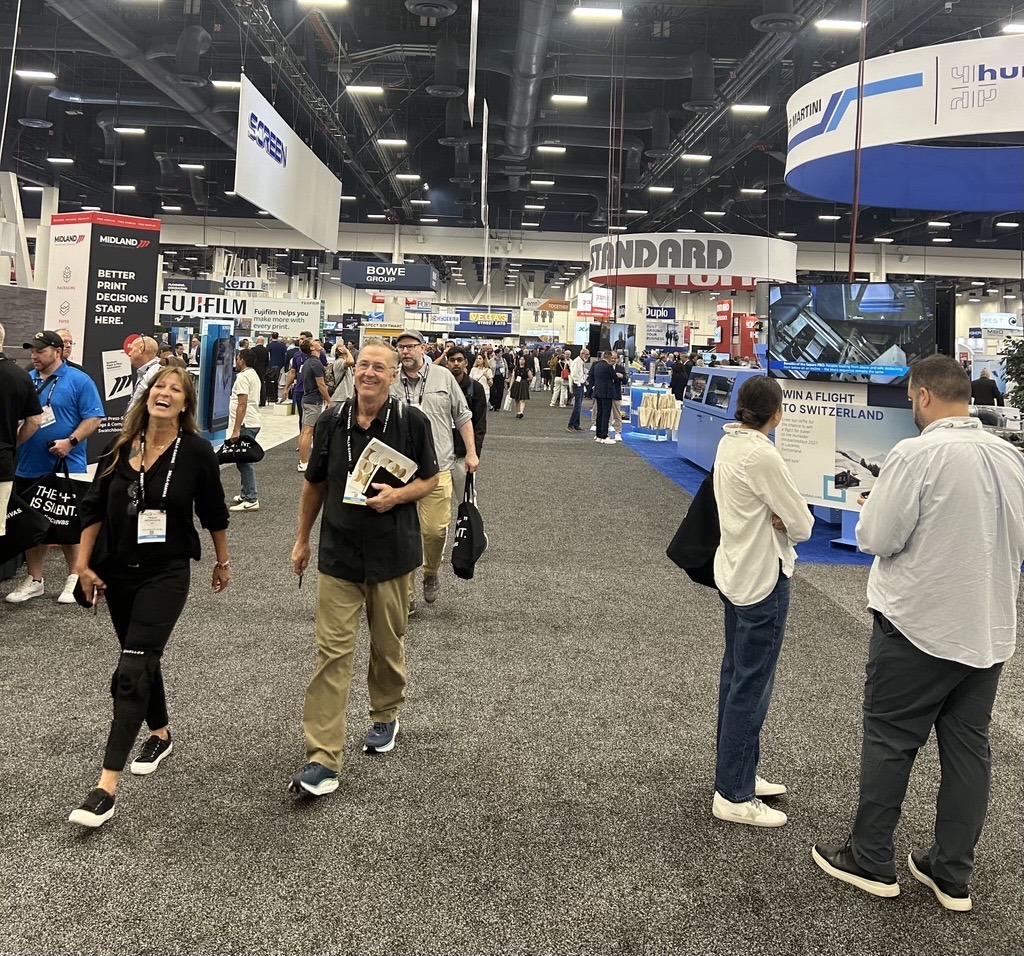
A conversation that started with the launch of a printer quickly moved into substrates, labour, workflow, customers, productivity, and what comes next—and here, the conversations were about big and small PSPs. That human element was everywhere.
After three days, it was less about individual machines and more about how connected everything is becoming.
AI needs a workflow.
Automation needs integration.
A printer needs applications.
A new technology needs a business case.
And increasingly, manufacturers need partners.
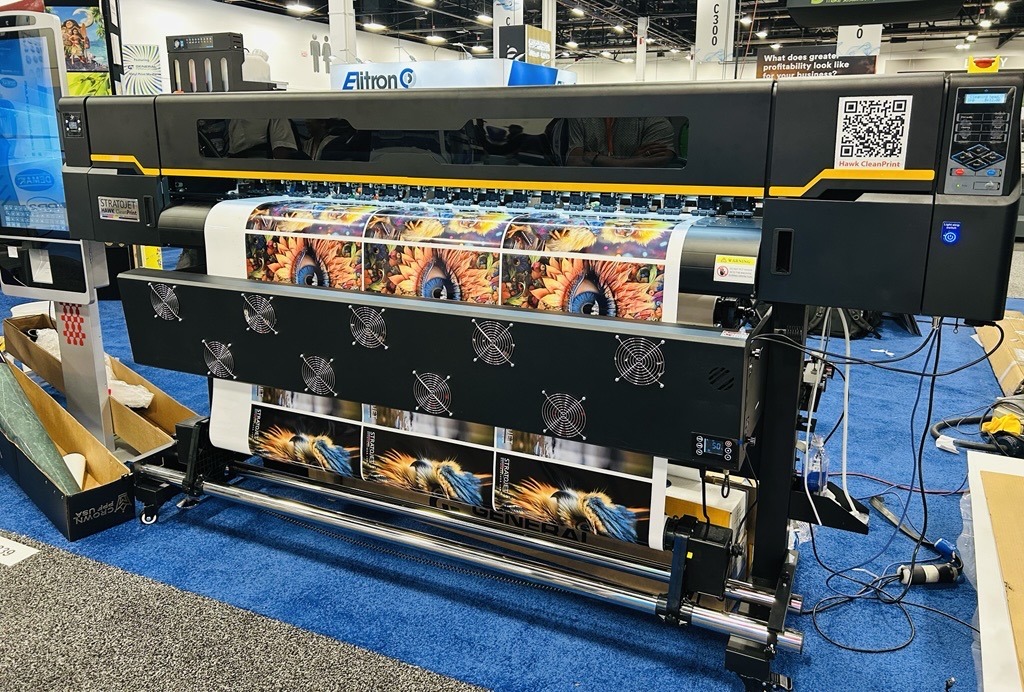
PRINTING United Expo 2026 offered a sweeping glimpse of a more unified printing ecosystem—and the cross-pollination on display hinted at just how much more is possible today.
Key buzzwords:
|
Agentic AI |
Convergence |
Automation |
|
Workflow |
Wide colour gamut |
Digital embellishment |
|
Personalization |
Productivity |
Integration |
|
Partnership |
Sustainability |
Connected workflow |
Sign up for our newsletter
Featuring breaking news from Canada's sign and graphics industry.
Popular Articles
-
1
-
2
-
3
-
4
-
5
Read the Latest Issue

