Why sign pros must embrace a value-first approach

Nothing is more important in the sign industry than your reputation.
Revenue, awards, efficiency, and high-quality craftsmanship all matter, but each ultimately supports your most valuable asset: your name.
An increasingly common perception among buyers is that sign companies fall into one of two extremes when evaluating signage providers:
- Bare-bones, aggressively low pricing paired with “suspect” installation practices
- High-priced, inflated quotations where the customer feels they are paying for the sign company’s new service trucks
Neither impression is entirely fair, yet both shape the lens through which customers evaluate our industry.
At Selkirk Signs, and I suspect many of you can relate, this is a tension we face daily when presenting our best solutions to clients. It has become more important than ever for sign professionals to be proactive rather than reactive when educating customers on the risks of cutting corners or pursuing the cheapest possible deal in a full turnkey signage operation.
This point was driven home recently during a storefront display project.
We had engaged with a customer on a full turnkey scope, but in that region, we couldn’t secure a sign installer with the credentials required to meet our Certificate of Recognition (COR) safety standards. We informed the client that while we were unable to provide installation under those circumstances, they were free to arrange installation independently should they choose.
In hindsight, that decision created unintended risk.
We left too much room for the client to misinterpret our reasoning and level of involvement.
What we should have done was clearly and proactively explain how a Workers Compensation Board (WCB)-compliant, fully certified, and insured installer protects the customer, and why that protection is worth investing in, even if qualified labour must be brought in from out of town.
Instead, we allowed price to become the deciding factor rather than safety and quality.
The customer proceeded with installation through the same installer we had declined to engage, and at the time, we believed the relationship remained intact.
Soon after, that same customer approached us regarding a multi-site pylon opportunity. Initially, the prospects looked promising.
However, we were surprised to learn we were not being considered for the project. Their feedback was that they had been disappointed by what they perceived as our lack of support during the previous installation and had chosen to move in another direction.
A significant future opportunity was lost, not because we lacked capability, but because the client’s perception of our support on the previous project carried into the next. That was on us.
Many of us can likely relate to losing work due to this kind of misunderstanding.
If not properly explained up front, safety, quality, and proper craftsmanship can be perceived by the customer as inconveniences rather than benefits.
Rather than allowing decimal points and cents to dominate the conversation, sign companies should embrace a value-first, education-driven approach.
That may involve providing an upfront brochure outlining the risks of hiring underinsured or uninsured installers.
It may involve a brief walkthrough of your estimate and shop drawings, explaining how your team has accounted for quality materials, warranty considerations, engineering requirements, and long-term product performance.
Addressing client assumptions before they harden into objections is essential.
Engaging with a customer’s preconceptions directly within your proposal process is one of the best ways to get ahead of false assumptions about your strategic value.
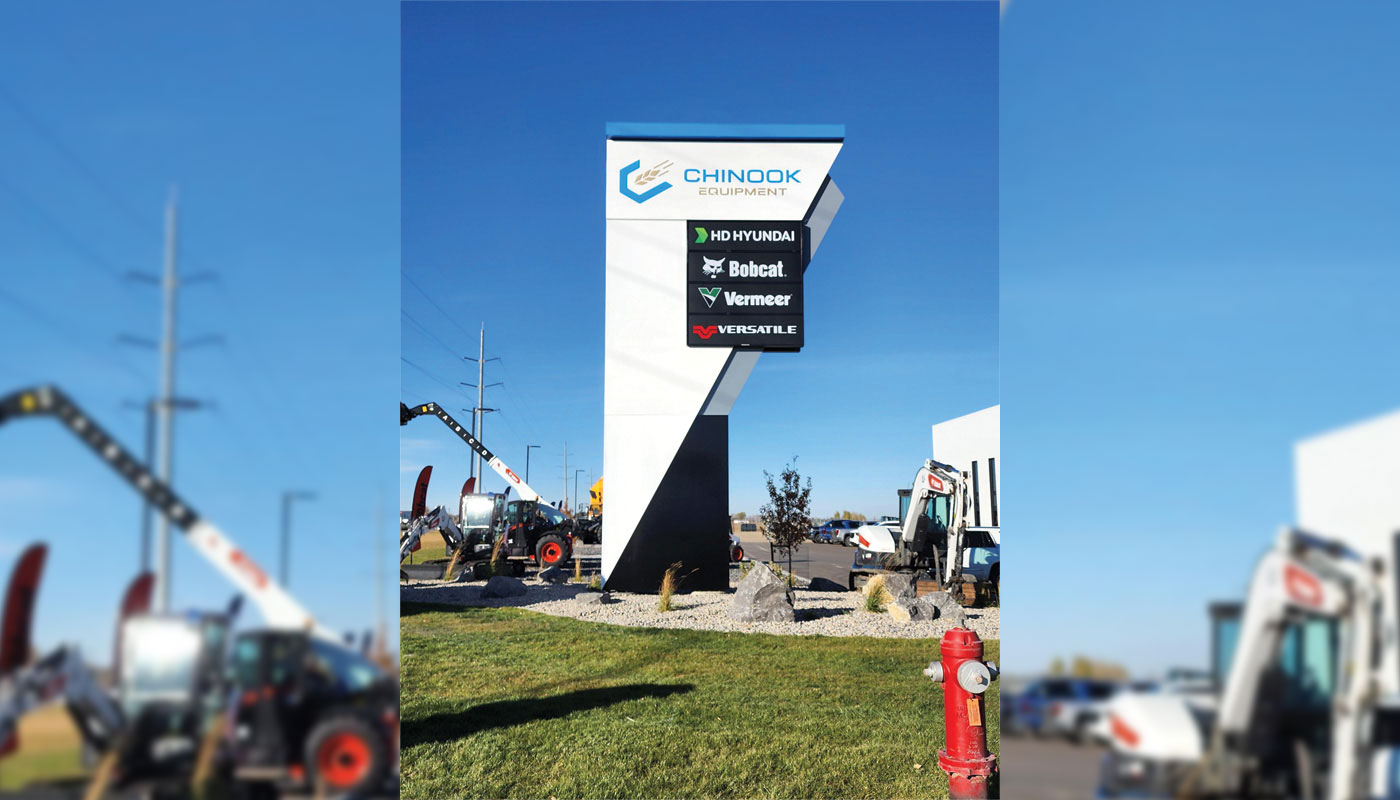
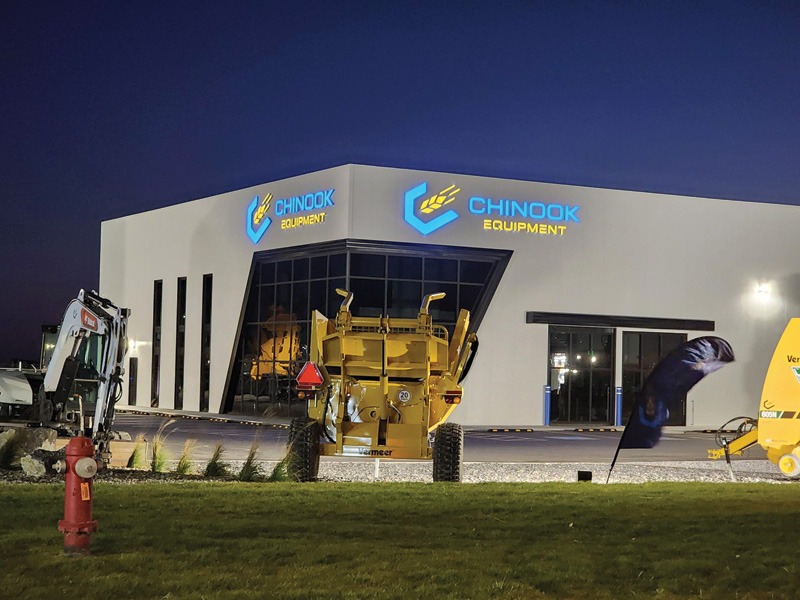
This approach recently proved effective with our client, Chinook Equipment.
From the outset, we were deliberate in setting expectations around design investment, the necessity of permitting and engineering compliance, and how project timelines would align with fabrication and installation.
We hosted kickoff meetings to walk through each major phase of the project and openly address questions or concerns as they arose.
We further reinforced our process by providing a detailed workback schedule with key milestones the client could anticipate, including deposit due dates, survey completion, permitting submissions, and fabrication benchmarks.
This transparency helped shape the story the client built in their mind when delays occurred or when questions arose about project pacing.
As a result, not only were they pleased with the final product, but delays and unforeseen issues throughout the scope were met with understanding—because expectations had already been properly framed.
They have since expressed enthusiasm about working with us again.
Another tactic I would encourage sign professionals to use more frequently is voicing the client’s likely concerns, frustrations, confusion, and priorities before they raise them themselves.
Listing a client’s preconceived notions, valid or not, allows your team to address issues that might otherwise sabotage your offering later.
It also prevents clients from quietly discounting your differentiators without your awareness.
Chris Voss, author of Never Split the Difference, offers a useful framework we have begun implementing called the Accusation Audit.
This tactic involves proactively voicing potential objections, assumptions, or problematic ideas before negotiations even begin.
By doing so, the client subconsciously registers that you have already acknowledged and addressed the issue.
For example:
“John, you may look at this proposal and think we are the highest-priced and most process-driven sign company you’ve considered. My goal today is to explain how each of those elements protects your business and contributes to a longer-lasting result.”
It may feel uncomfortable, but by grounding expectations and surfacing assumptions early, you create the opportunity to justify your value before the conversation devolves into a simple price comparison.
To combat corner-cutting, our industry must communicate clearly and often.
We should be forthright with customers about the risks of uncertified technicians, compromised material quality, and project execution details left too vague or open to interpretation.
The encouraging reality is that much of this client perception remains within our control.
How do you want your company to be known: reactive and price-dropping, or proactive and value-justifying?
At Selkirk Signs, we believe the long-term health of a sign company depends on consistently choosing the latter.
Because, after all, nothing is more important in this industry than your name.
Russell Byrd is the business development manager at Selkirk Signs, with nearly a decade of experience in the field of B2C and B2B.

Sign up for our newsletter
Featuring breaking news from Canada's sign and graphics industry.
Products


Read the Latest Issue
