
The connected future of retail media
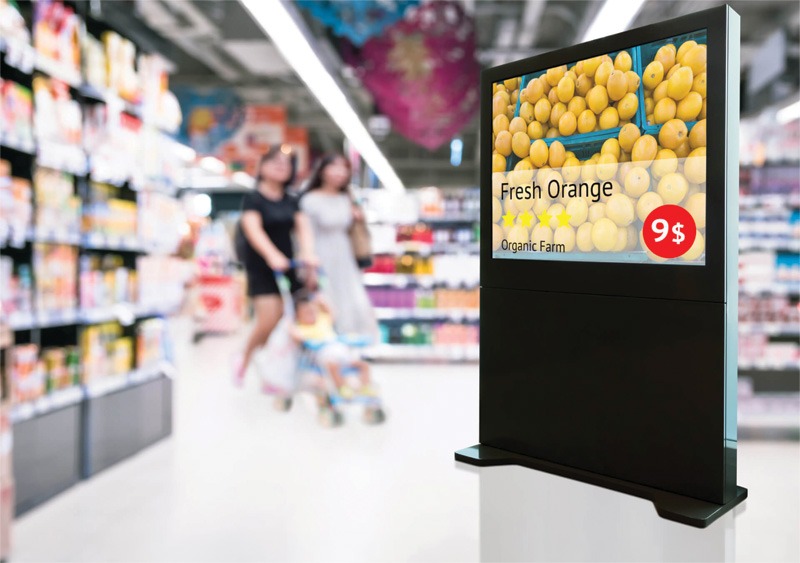
Retailers across Canada are transforming stores into dynamic media networks, unlocking powerful new revenue streams and reimagining shopper engagement. But the trend extends far beyond the Canadian market, with the global in-store digital advertising display market anticipated to reach $US12.77 billion by 2035.1
As retail media networks expand, in-store screens are increasingly being viewed as advertising assets rather than simply communications tools. As retailers race to build and scale in-store media infrastructures, advertisers expect the same flexibility, precision, and programmatic sophistication from in-store as from other digital media channels. The clock is ticking for retailers to modernize how in-store inventory is planned, activated, and measured, with automation being the ultimate endgame.
Across onsite and offsite digital retail media channels, automation has already redefined campaign planning, buying, and optimization. Yet, most in-store media infrastructure remains largely manual, creating costly operational silos and unnecessary friction for buyers. Retailers that have yet to modernize their in-store media operations may be limiting the monetization potential of their networks.
Automation gives retailers a competitive edge—enhancing organizational efficiency and unlocking bigger budgets, maximizing inventory liquidity and yield, but it isn’t achieved overnight. Success starts with a phased approach. The first step: building a future-ready tech stack comprising a robust ad server, programmatic advertising tools, open APIs, and orchestration layers.
Defining automation
In-store media automation is nuanced and encompasses several layers, from operations to data and decisioning. Operational automation is all about reducing manual in-store media planning, buying, and scheduling labour, and streamlining dynamic inventory allocation, omnichannel trafficking, and creative approvals. For media owners, retailers, and advertisers alike, automation is becoming essential to scaling digital inventory and campaign execution. Removing time-intensive co-ordination and service layers, it enables teams to activate campaigns more efficiently and run them at scale in-store and across channels.
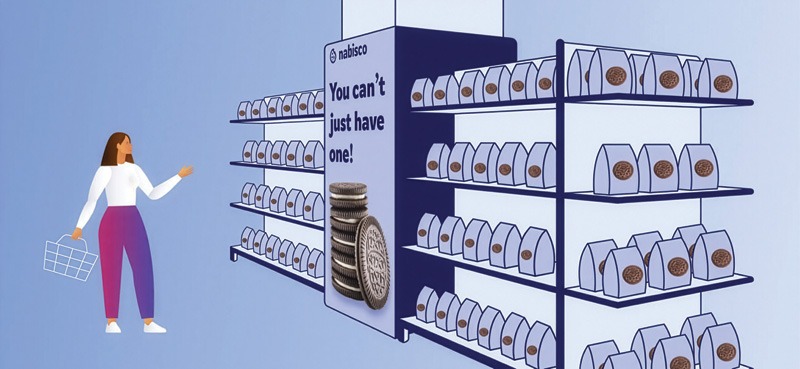
The automation of data and decisioning involves leveraging performance insights from first-party signals such as loyalty, transaction, and foot traffic data rather than making assumptions. Audience segmentation, real-time contextual optimization, predictive sales modelling, and AI-driven triggers also play a role. The ability to connect screens, data, and content in real time is reshaping expectations for in-store digital media. They ensure retailers can give advertisers the ability to deliver more dynamic creative that adapts to real-world conditions, such as weather, shopper behaviour, time of day, or product availability.
For in-store media to stay relevant and capture advertiser investment, automation is non-negotiable. Only by building a tech stack primed for automation can retailers begin to plan and optimize campaigns against outcomes such as sales uplift, audience reach, and product-level goals to achieve better results. The rewards are significant. But the path there isn’t straightforward.
Overcoming automation hurdles
One of the main challenges of the in-store automation journey is often a fragmented approach to organizational structure. Every department—from trade and shopper marketing to media sales, merchandising, and store operations—is siloed. Each has unique objectives, budgets, and processes, which can make automation difficult.
Then, there’s a tendency to do what’s comfortable and easy. Many stores with digital screens display looped, time-based content rather than the dynamic, contextually relevant messaging shoppers and brands demand. But advertisers want the ability to activate based on real-world contexts, and often use the same programmatic platforms for on- and off-site digital campaigns.
With media budgets continuing to tighten, capturing advertiser spend in-store also means delivering more measurable outcomes. Demonstrating advertising return on investment (ROI) across the broader omnichannel media mix is becoming increasingly important, yet can be difficult without the tools in place to support automation.
Limited visibility into inventory and campaign performance remains a challenge for many retail media networks, making it harder to monetize available screen inventory fully.
Addressing these challenges will be essential to unlocking automation and enabling retail media teams to move beyond sales, reach, and incrementality to create a data-driven, outcome-based environment that can scale. But automation alone won’t solve these challenges. All departments must be aligned on shared commercial goals and standardized workflows.
Envisioning a more automated, interconnected future
The path to automating in-store networks is still being forged, and there are multiple pathways to success. Many retailers already have a strong foundation in in-store screen, data, and media operations. They don’t necessarily need to rebuild their tech stack from scratch, but rather prioritize interoperable platforms that connect data, inventory, demand, and measurement across channels. A deeper examination and analysis of existing in-store media capabilities can help retailers build a roadmap to streamline execution and outcome-driven planning.
Prioritizing integration through APIs and shared workflows is essential, providing a way to bring in-store into the broader RMN ecosystem without building from scratch. The future in-store isn’t just about the screens, CMS, or even media sales. It’s about interoperable, workflow-native, measurement-connected, and programmatically-enabled platforms.
Once the tech stack is solidified, it becomes simpler to make in-store inventory more accessible in existing media-buying workflows so that buyers can plan their onsite and offsite buys in tandem. Intentional use of data will also be crucial to the future of more automated in-store workflows.
Leading retail media networks are increasingly evaluating how first-party signals such as loyalty, transaction, and store traffic data can support targeting, optimization, and measurement.
These insights can help inform more automated approaches to targeting, optimization, and measurement while improving campaign relevance and performance. Execution and internal alignment are important. Aligning teams around shared outcomes makes for more cohesive planning and execution strategies. Technology partners also play a crucial role in supporting this journey by enabling automation, measurement, and optimization, as well as data visibility for performance tracking and attribution.
In-store media is already capturing advertiser attention and budgets, with displays connecting brands with shoppers in physical retail spaces. The long-term opportunity lies not just in deploying more screens, but in creating connected media networks that deliver measurable business outcomes. For retailers, the future belongs to those who move beyond screen counts—those who intelligently connect data, demand, measurement, and activation across the broader media ecosystem. By embracing automation as the foundation for interoperability and scalable monetization, retailers can become indispensable partners to shoppers and advertisers, ensuring sustainable, lasting growth.
Notes
1 Read about the global forecast of in-store digital displays here: https://www.snsinsider.com/reports/in-store-digital-advertising-display-market-9994
Julia Di Paola is marketing manager, retail media, at Broadsign.
Sign up for our newsletter
Featuring breaking news from Canada's sign and graphics industry.
Products

Read the Latest Issue
