Meet the Maker | Kort Mehrle: ‘Challenge the status quo, solve problems at their root, and keep moving forward’
Welcome back to Meet the Makers, a series that takes a playful, engaging approach to showcasing the personalities and expertise of sign pros, all while staying rooted in the signage industry.
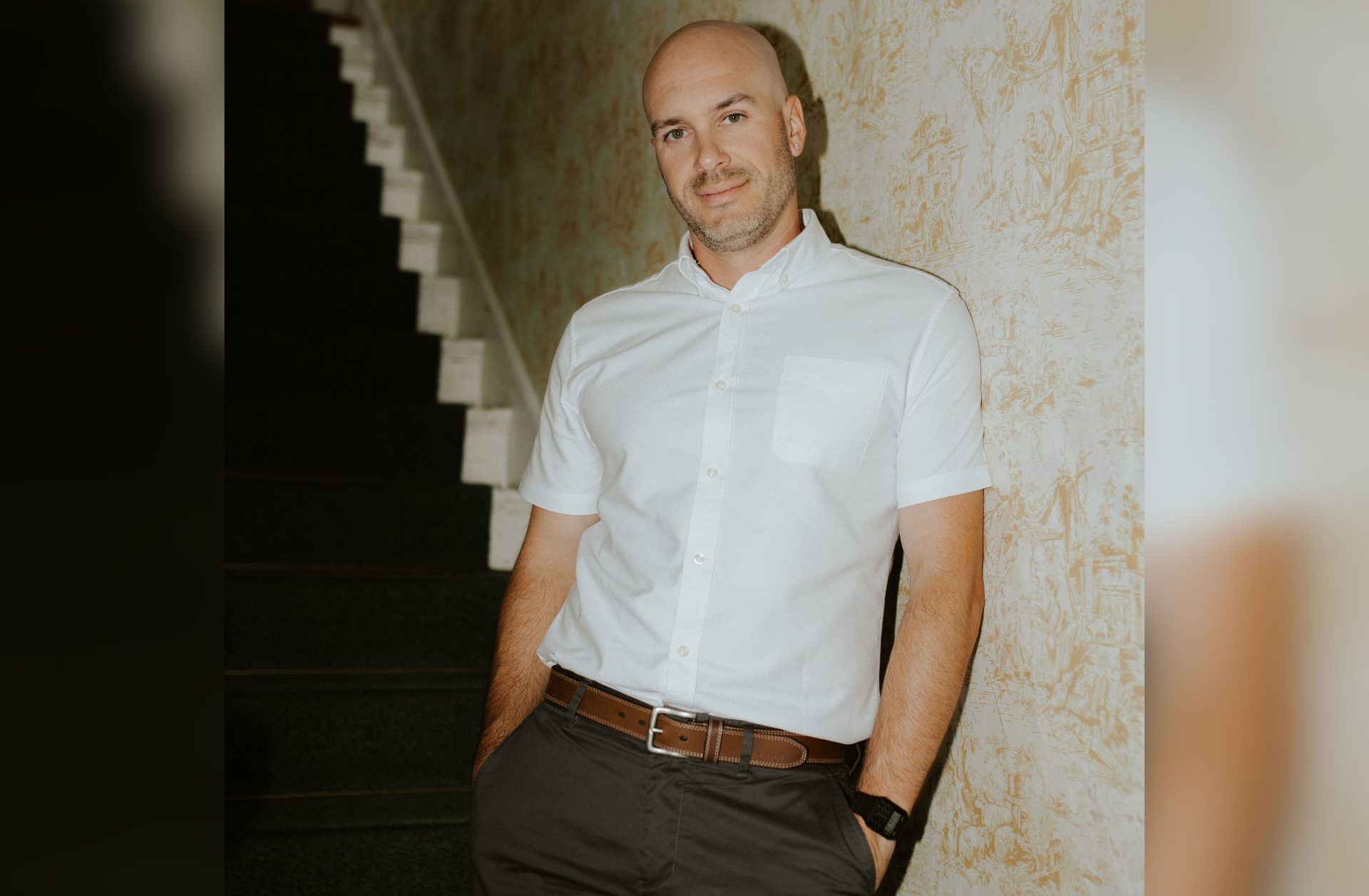
This week, we meet Kort Mehrle, vice-president of Selkirk Signs, which has offices in Cranbrook, B.C., and Calgary and Edmonton, Alta. While he now helps shape the company’s future through leadership and innovation, his journey began in the sign shop at just 16 years old, learning the trade one evening, weekend, and summer at a time.
Mehrle’s career has taken him through nearly every corner of the business. From fabricating and installing signs in the field to estimating, project management, operations, technology, and leadership, he has developed a deep appreciation for every stage of the process. Although he briefly explored opportunities outside the industry after university, it wasn’t long before he found his way back. As he puts it, the sign nerd in his DNA was simply too strong to stay away.
Today, Mehrle is passionate about developing people, improving systems, and challenging the status quo to help Selkirk Signs continue raising the bar.
When he’s not at work, you’ll likely find him hiking, biking, hunting, or enjoying time with his wife, Alisha, and their children, Axel and Olive.
Here are his responses to our five offbeat questions:
What’s your sign superpower?
My sign superpower is constantly asking how we can raise the standard.
I have never been very good at accepting “That is how we have always done it” as a final answer. Whether it is the quality of the finished sign, the way a project is communicated, the technology we use, or the systems behind the scenes, I am always looking for ways to make the next project better than the last.
For me, raising the standard does not mean making everything more complicated or chasing perfection. It means being honest about what is not working, asking better questions, and finding practical ways to improve it. Sometimes that means introducing a new process or technology. Other times, it is simply making expectations clearer and holding ourselves accountable to them.
It has probably created a few extra meetings and uncomfortable conversations over the years. Still, it has also helped our team challenge the status quo, solve problems at their root, and keep moving forward.
What’s the most challenging project you’ve worked on?
One of the most challenging projects I have been part of was a large, multi-site petroleum rebrand across Western Canada.
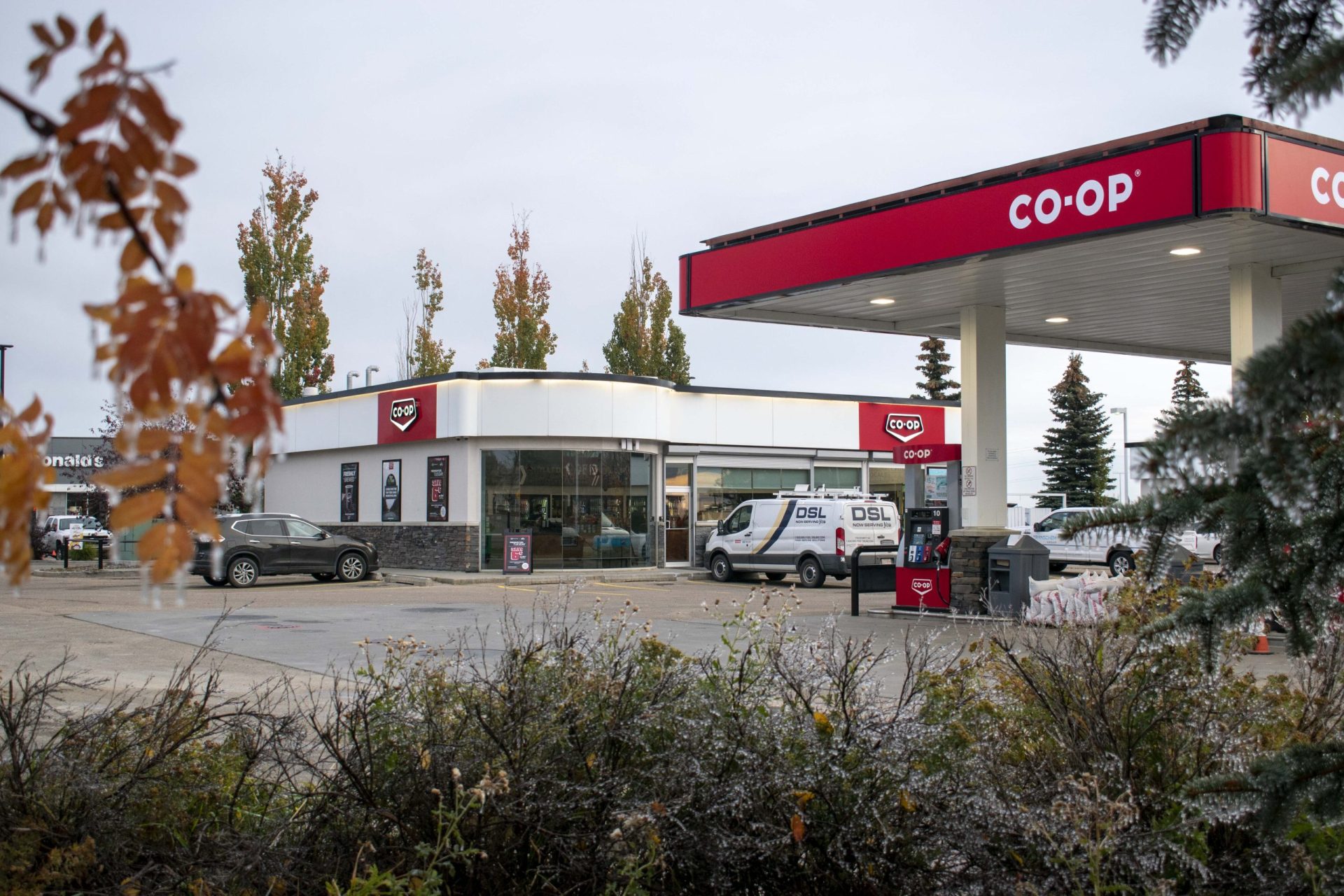
No individual sign was impossible. The real challenge was managing many active sites, each with its own surveys, engineering, permits, site conditions, production schedule, shipping requirements, and installation logistics, while keeping the brand consistent and the locations operational.
Remote sites, winter weather, changing conditions, and tight deadlines tested the plan almost daily. It reinforced a lesson I still carry with me: scale does not create problems; it exposes weak systems. The project pushed us to improve our communication, standardize our processes, and build a stronger team.
What’s a favourite sign or sign system you’ve created?
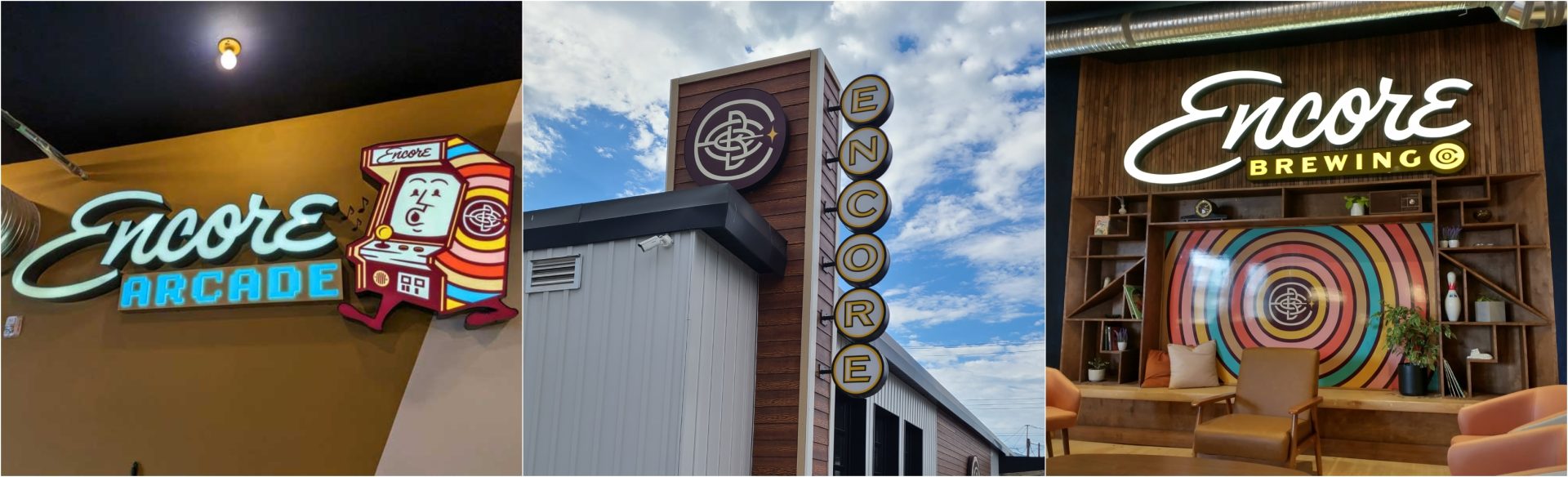
One of my favourite projects is the complete signage package we created for Encore Brewing Co. here in Cranbrook.
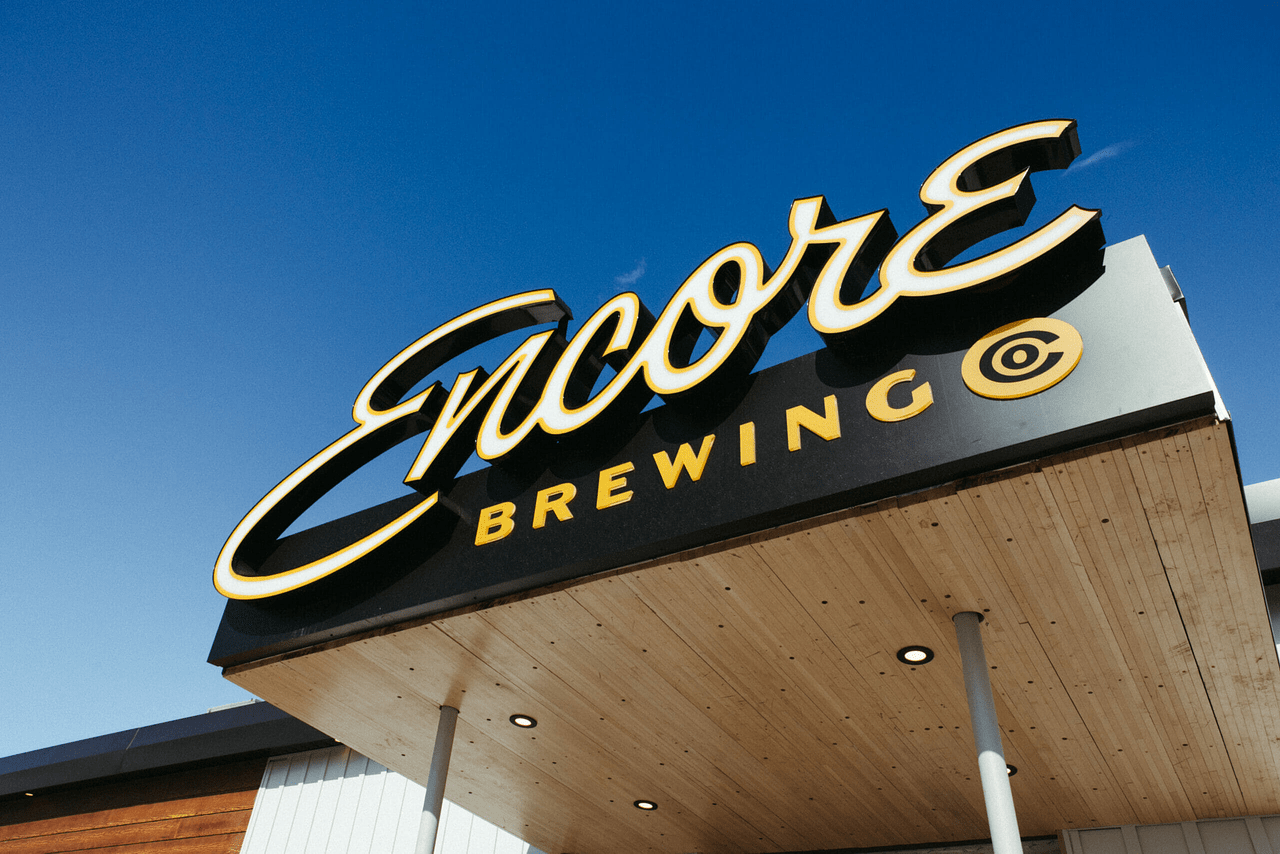
Encore transformed a restored 1960s bowling alley into a modern brewery, restaurant, arcade, and eight-lane bowling centre while preserving the building’s retro personality. Working alongside Zach Silver and the team at Reflect Design Co., our role was to take their creative vision and figure out how to bring it to life through signage.
What makes the project special to me is how completely the signage became part of the experience. From the large, illuminated ENCORE letters above the bowling lanes to the exterior signage and smaller details throughout the space, every piece feels connected to the building and helps tell the same story.
It is also one of those rare projects where we can continue to enjoy our work long after installation. Being able to grab a pizza and a beer, bowl a few frames, and look around at something our team helped create makes it especially rewarding. Seeing the project receive recognition beyond Cranbrook, B.C., has made it even more meaningful.
If signage could talk, what’s the funniest thing a sign has ever ‘said’ to you?
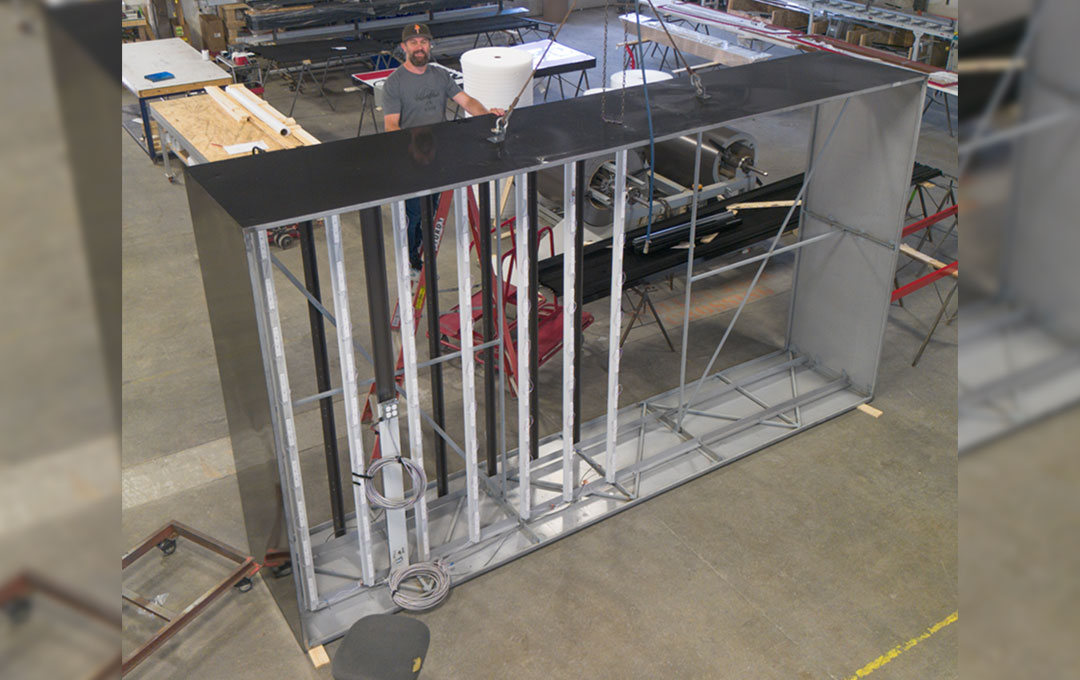
Probably: “You looked at the drawings for weeks and still weren’t prepared for how big I am, were you?”
That happens every time a massive pylon cabinet hits the shop floor. On paper, it is a few measurements and some clean lines. In person, it suddenly takes up half the building and reminds everyone that scale is much easier to understand when the sign is standing beside you.
What’s the one piece of signage advice you wish everyone knew?
Bring your sign company into the conversation earlier than you think you need to.
Signage is often treated as one of the final items on a building or rebrand, even though permitting, engineering, electrical requirements, visibility, access, and installation can all affect the design.
A few good questions asked early can save weeks of delays and a lot of money later. The cheapest problem to fix is the one caught before the sign reaches production.
Follow Kort Mehrle and Selkirk Signs:
Kort Mehrle on LinkedIn:
https://ca.linkedin.com/in/kortmehrle
Selkirk Signs website:
https://selkirksigns.com/
LinkedIn:
https://ca.linkedin.com/company/selkirk-signs
Instagram:
https://www.instagram.com/selkirksigns/
Facebook:
https://www.facebook.com/selkirksigns/
Sign up for our newsletter
Featuring breaking news from Canada's sign and graphics industry.
Read the Latest Issue

