
Brushstrokes of belonging: A muralist on art and brand identity
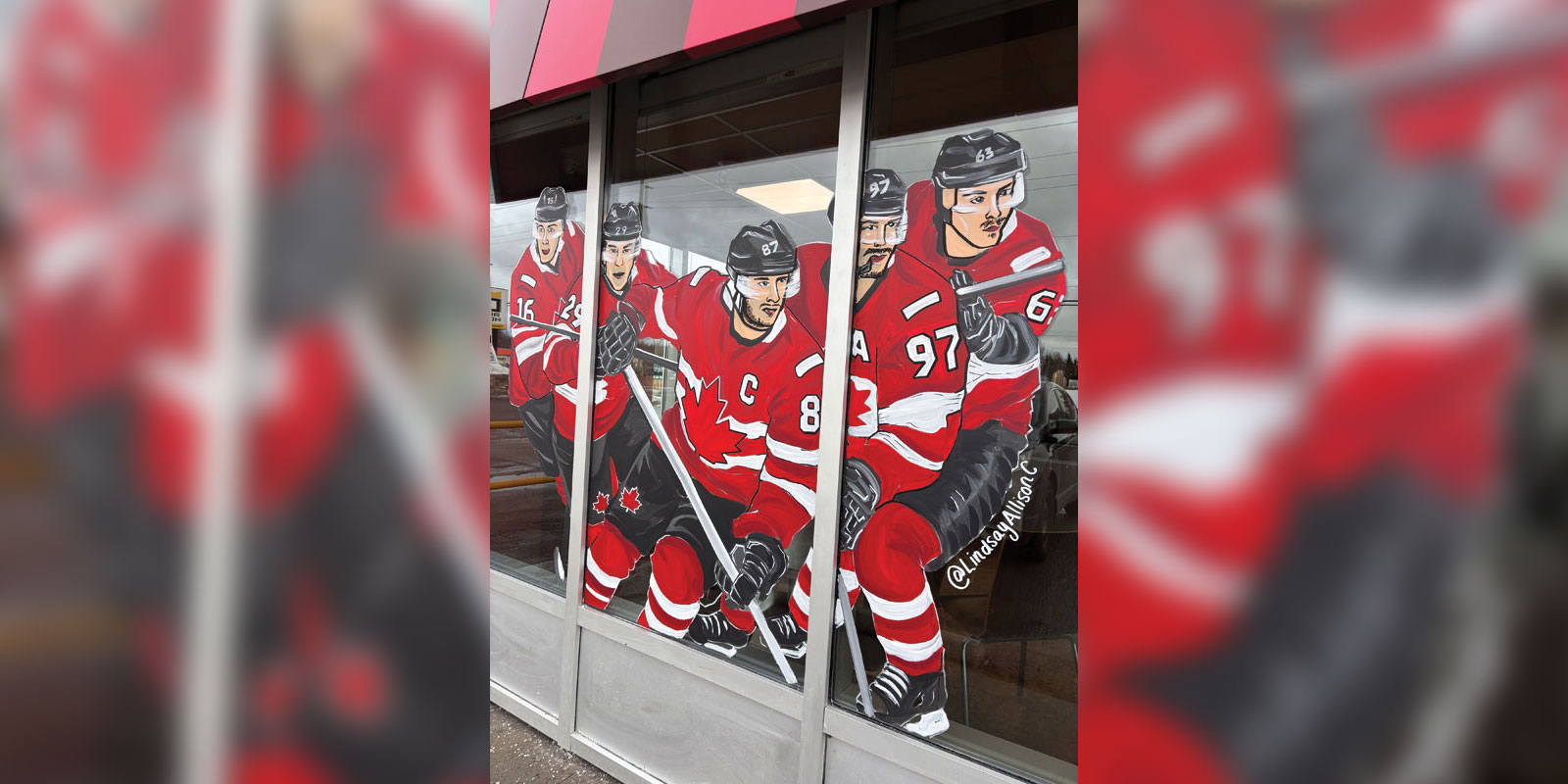
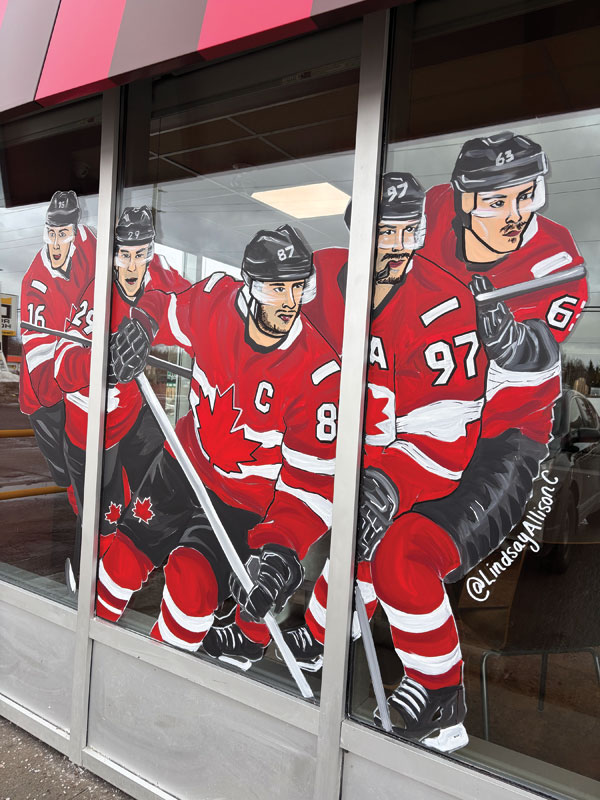
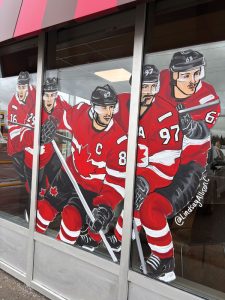
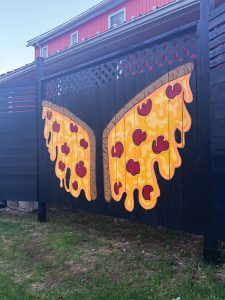
When the Olympic season rolled around, it wasn’t just the games drawing attention—it was a mural at a Tim Hortons in Peterborough, Ont., celebrating and honouring Canada’s hockey team that stopped this writer in her tracks. Behind the work was Ontario-based mural artist Lindsay Allison C, whose signature style blends fine line illustration, floral motifs, hand lettering, and engraving-inspired detail into pieces that feel both soft and striking.
Known for balancing organic movement with clean structure, Allison creates murals that elevate spaces while telling thoughtful visual stories—an approach reflected in the wide range of branded spaces and client projects she has worked on. As businesses look for new ways to create memorable, shareable environments, murals and artistic signage are becoming powerful tools to elevate brand identity and customer connection. That evolving role is why Sign Media Canada spoke with her about how art becomes a critical component of the brand experience.
Here’s what she had to say.
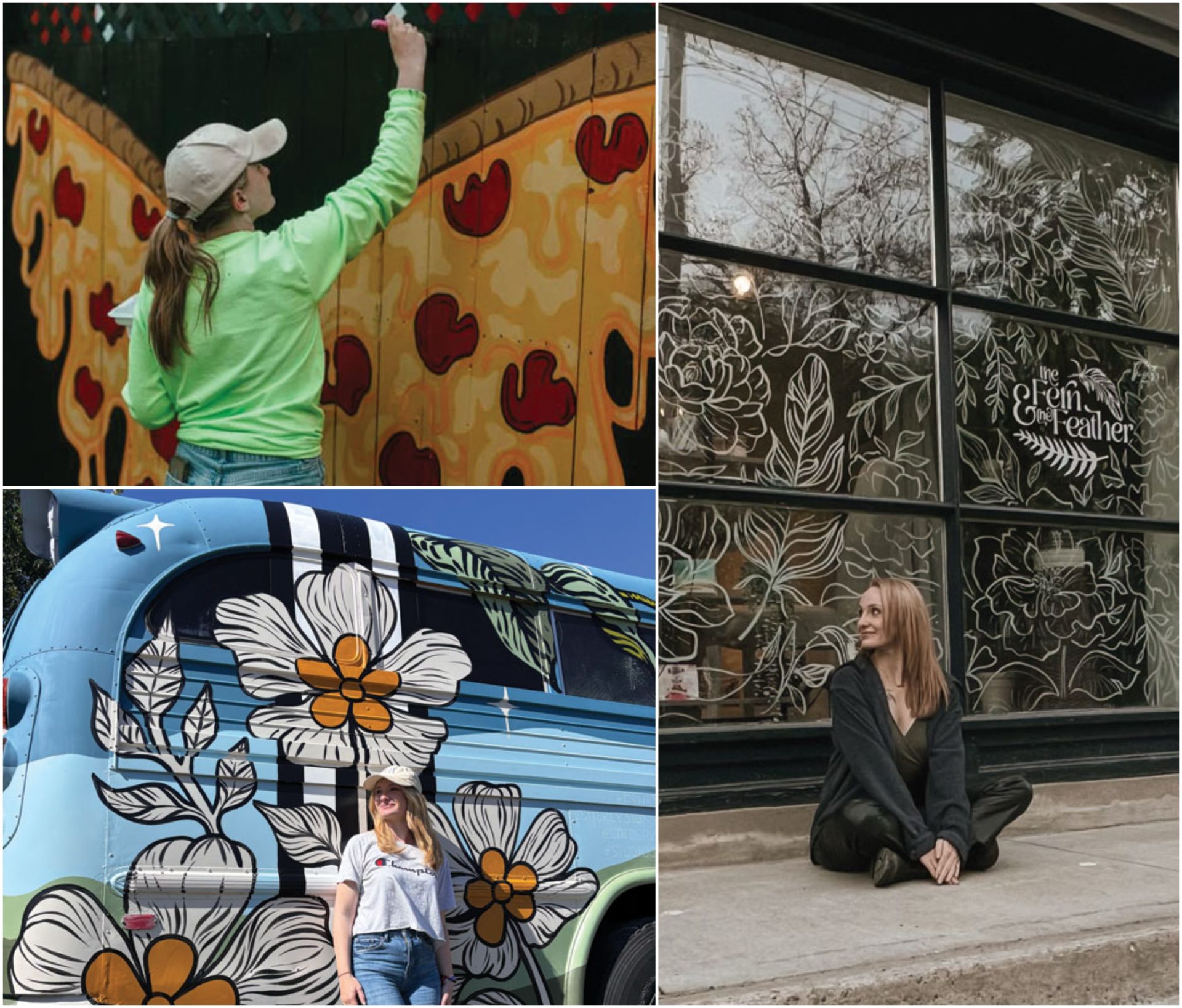
How did you get started in mural work, and what initially drew you to this medium?
I started my business during a season of life when everything was shifting. After becoming a mom, I knew I wanted to build something that allowed me to stay creative while also being present with my family. I had always been artistic, but I hadn’t yet found the medium that felt like it fully fit both my personality and the kind of impact I wanted to make.
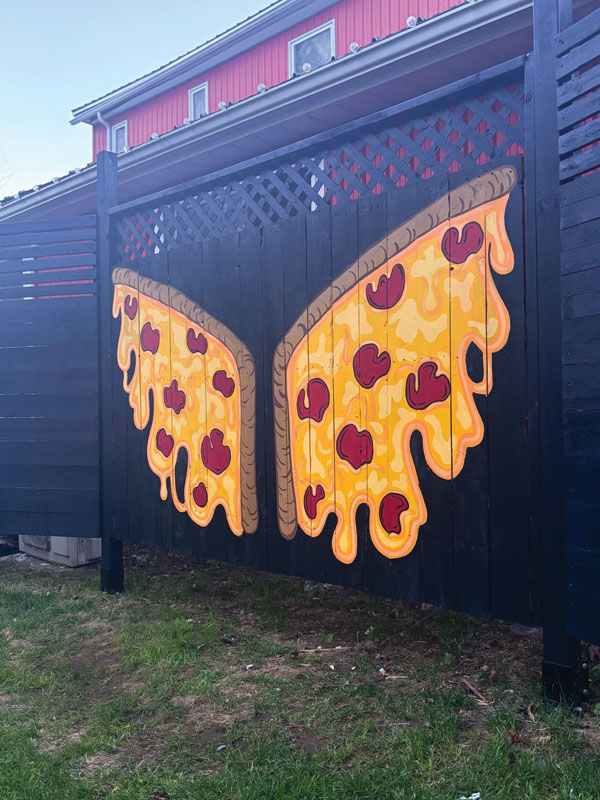
Murals changed that for me. There’s something incredibly powerful about creating work that exists outside of a canvas or a frame. It lives in the real world. People pass by it every day, interact with it, take photos with it, and build memories around it.
What drew me in was that sense of permanence and presence. A mural doesn’t just decorate a space; it transforms it. It can make a business feel more inviting, give a community something to feel proud of, and completely shift the energy of an environment. That combination of art and impact is what made me commit fully to this path.
How has your style evolved, and what influences have shaped your work the most?
My style has become much more refined and intentional over time. In the beginning, I experimented a lot with detail and complexity, but as I gained more experience working at scale, I realized the power of simplification.
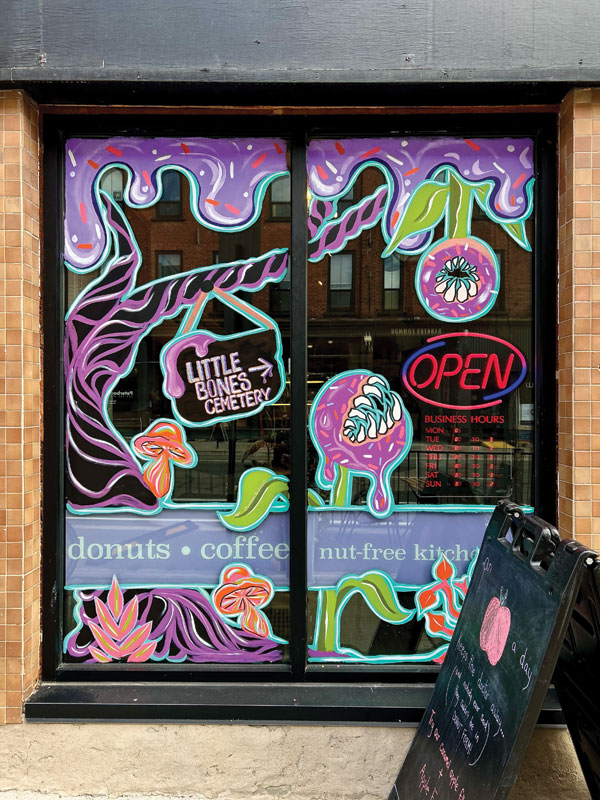
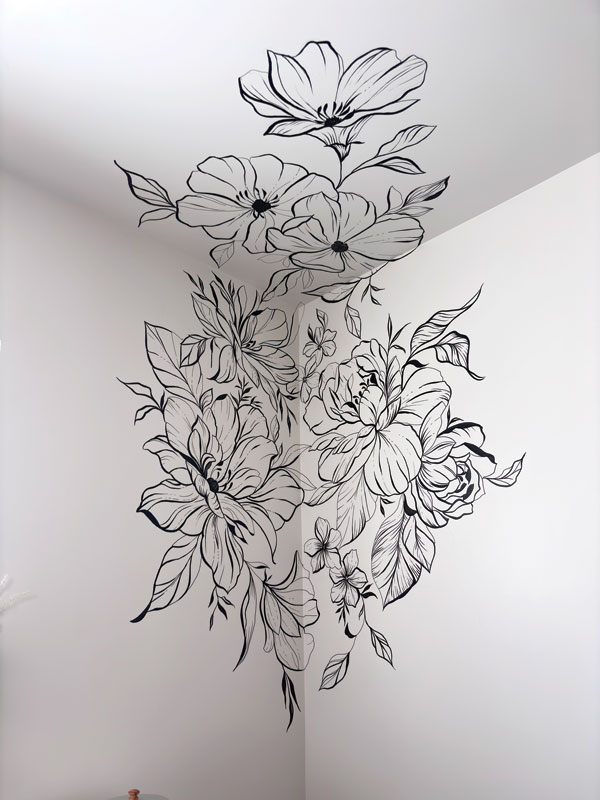
Now I lean into clean line work, balanced compositions, and organic elements, like florals and natural movement. I want my work to feel elevated and beautiful, but also clear and easy to read from a distance. That’s especially important in commercial environments where people are often moving quickly past the space.
A big influence for me is the intersection of art and functionality. I’m constantly thinking about how a mural will photograph, how it interacts with light, and how it complements the architecture around it. Nature is also a strong influence. There is a softness and flow in natural forms that translates well into large-scale work.
Over time, I’ve also become more confident in editing my ideas. Knowing what to leave out is just as important as what to include.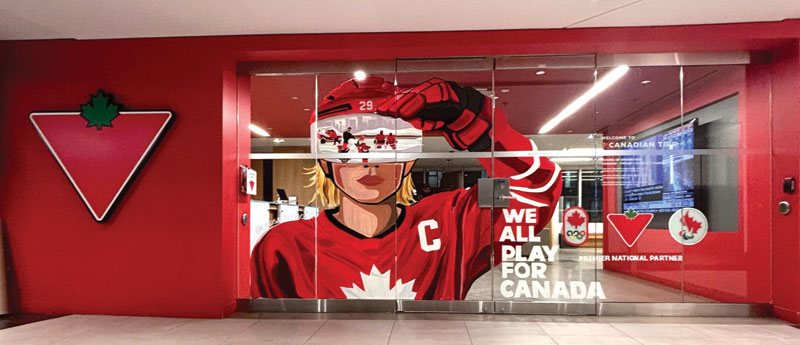
Tell us about some of your most memorable and/or challenging projects.
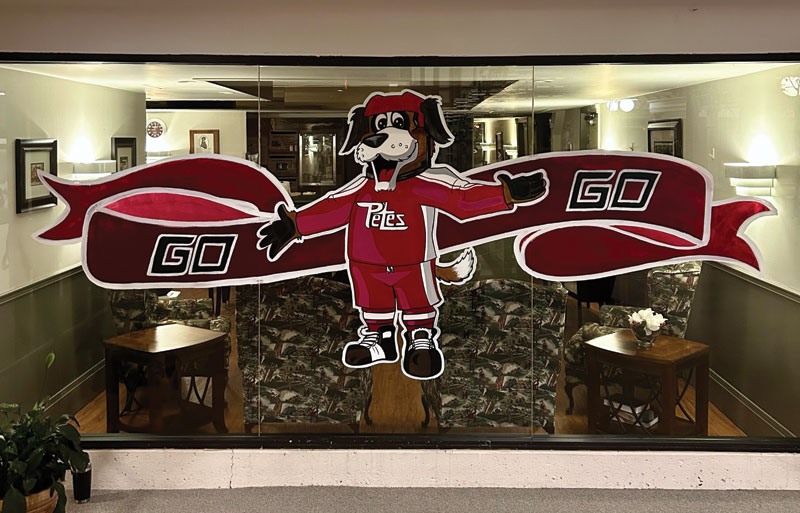
Working with national brands like Tim Hortons and Canadian Tire has been a major highlight in my career. Being trusted to create work that aligns with such recognizable brands, especially during something as high-profile as the Olympic season, was incredibly meaningful.
One moment that stood out was seeing my work used as a backdrop for a promotional video. It’s one thing to create something in person, but seeing it amplified and shared at that level really reinforces the impact murals can have within a brand’s larger story.
At the same time, those projects come with their own challenges—co-ordinating multiple locations, maintaining consistency across installs, and working within tight timelines requires a lot of planning and adaptability. Every space is slightly different, even when the concept is the same.
There are also physical challenges that come with the work. Long days on ladders, working in changing weather conditions, and making real-time adjustments on site all require a level of resilience that goes beyond just the creative side.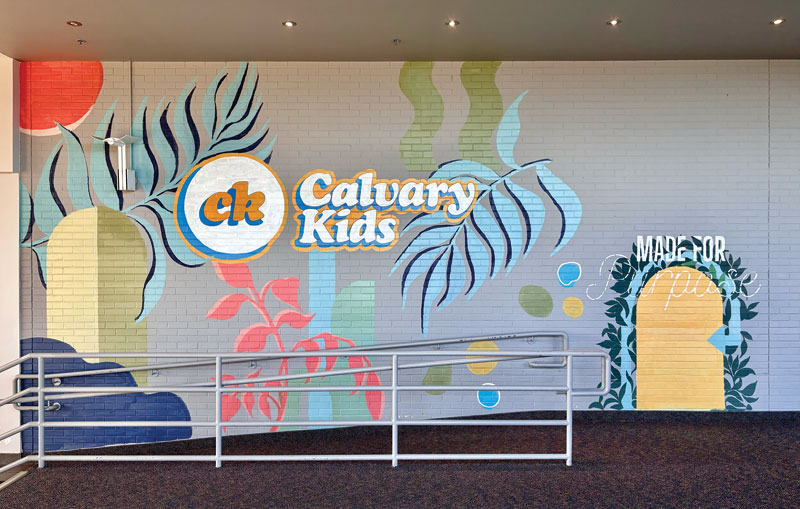
What are some of the logistical or technical challenges that come with large-scale mural work?
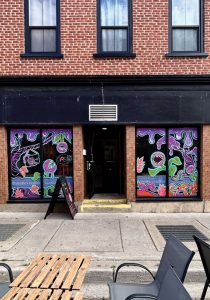
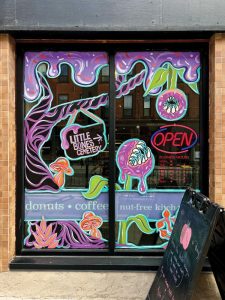
Murals involve a lot more behind-the-scenes problem-solving than people often realize. Every surface is different, and that can dramatically affect how a design comes to life. You have to consider texture, absorbency, existing colours, and how the paint will behave on that material.
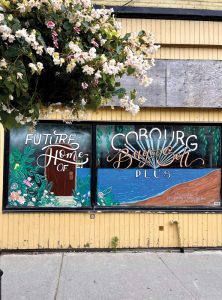
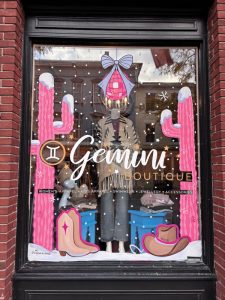
Environmental factors play a huge role as well. Weather can impact everything from drying time to scheduling, especially when working outdoors or on exterior windows.
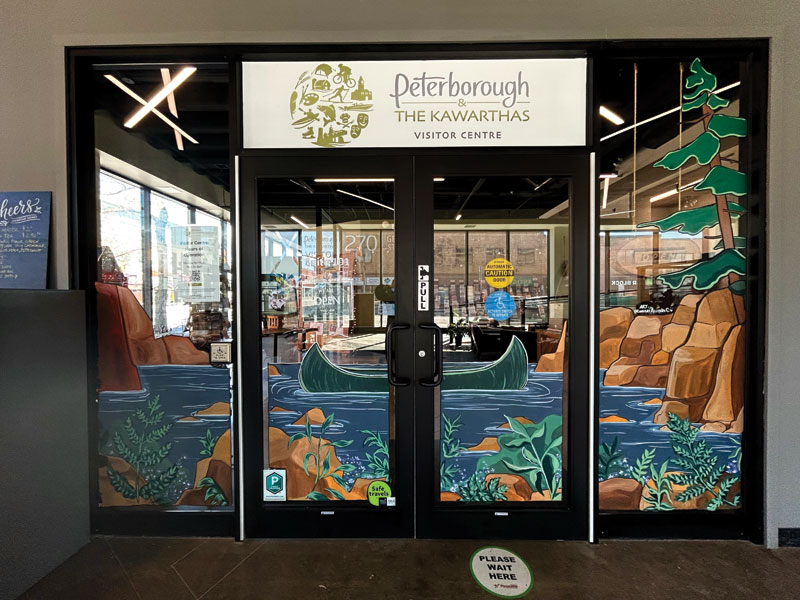
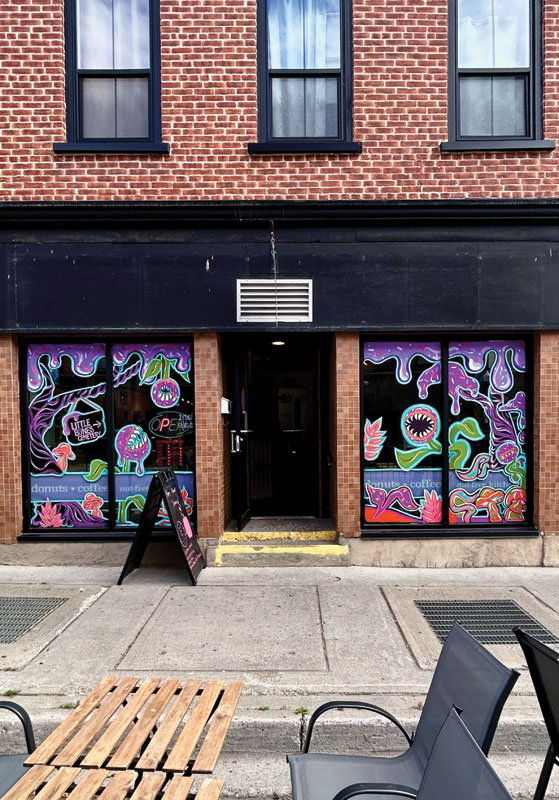
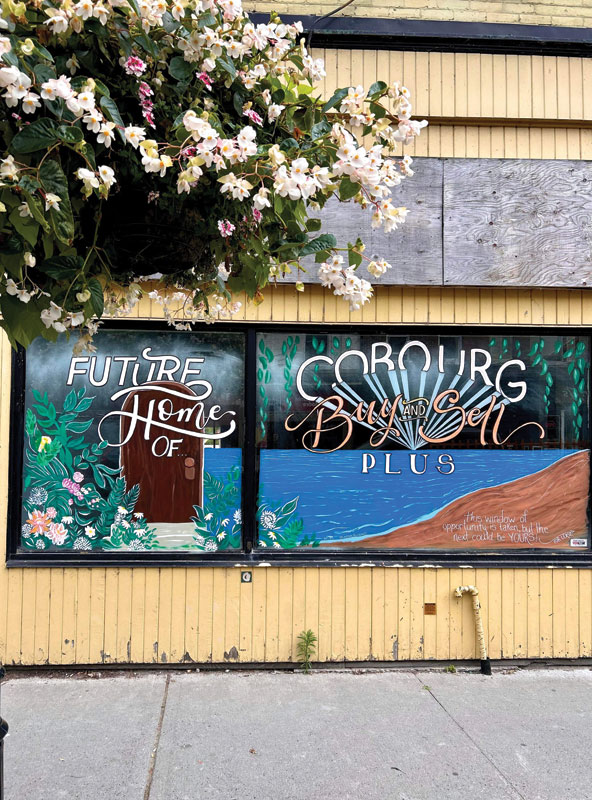
There are also practical considerations, such as access to the space, working around business hours, and ensuring the design accounts for windows, doors, and structural elements. Something as simple as a window partition can change how a design needs to be laid out.
Time management is another major factor. In commercial settings, there’s often a need to complete work quickly without sacrificing quality. That requires a lot of upfront planning, from creating paint-ready mockups to streamlining the execution process.
At the end of the day, a successful mural is just as much about logistics and preparation as it is about creativity.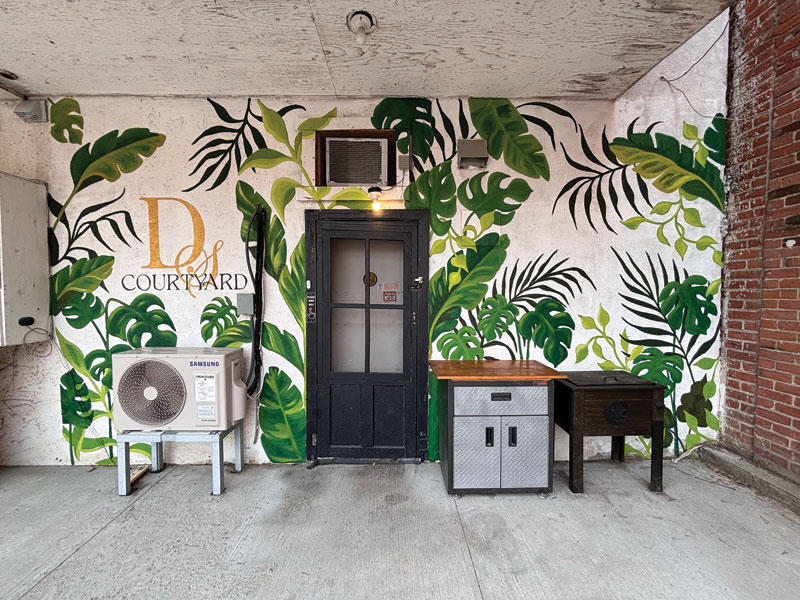
Shaping the canvas of brand identity |
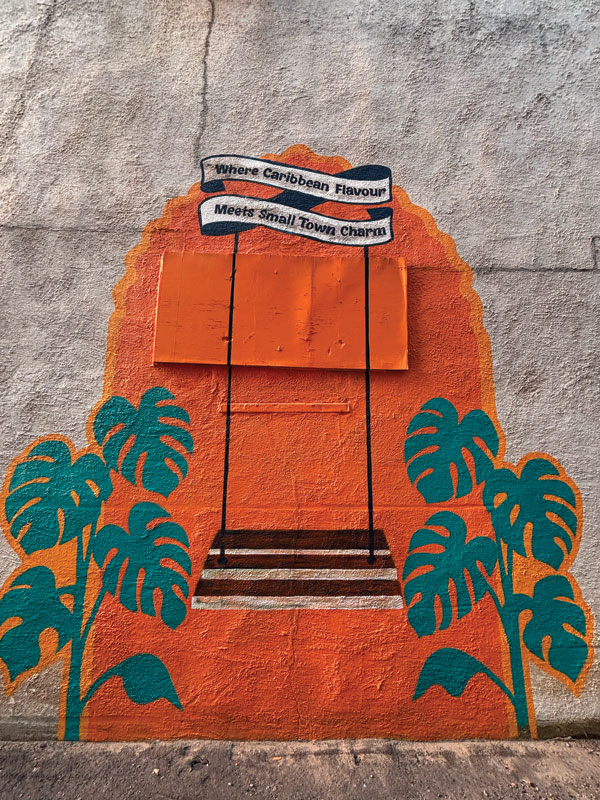
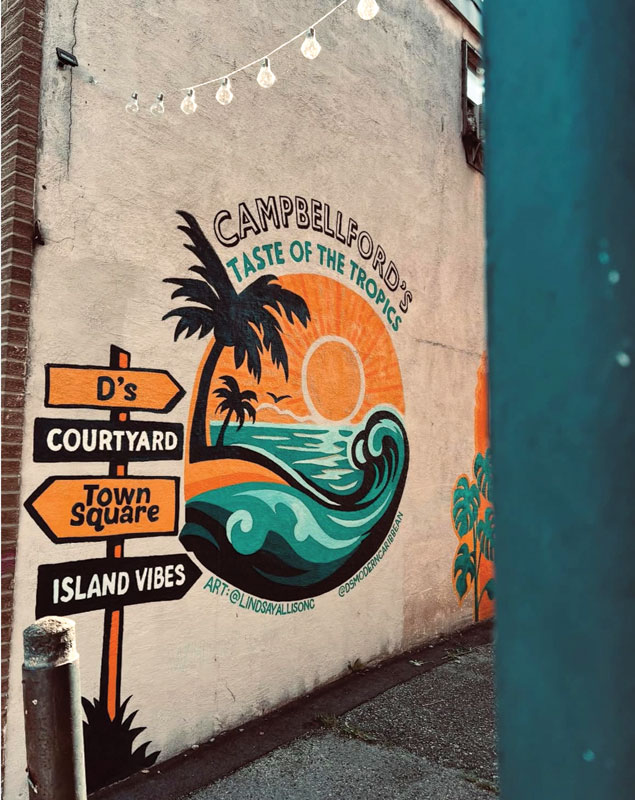
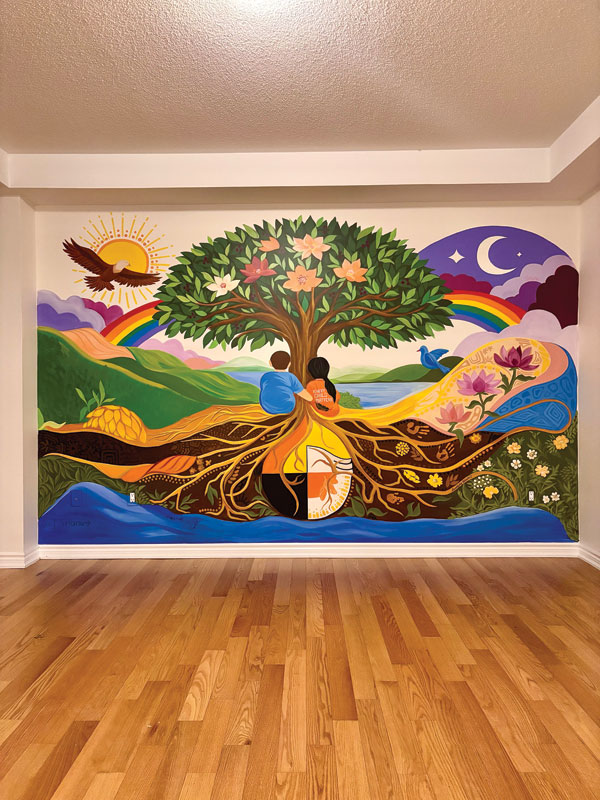
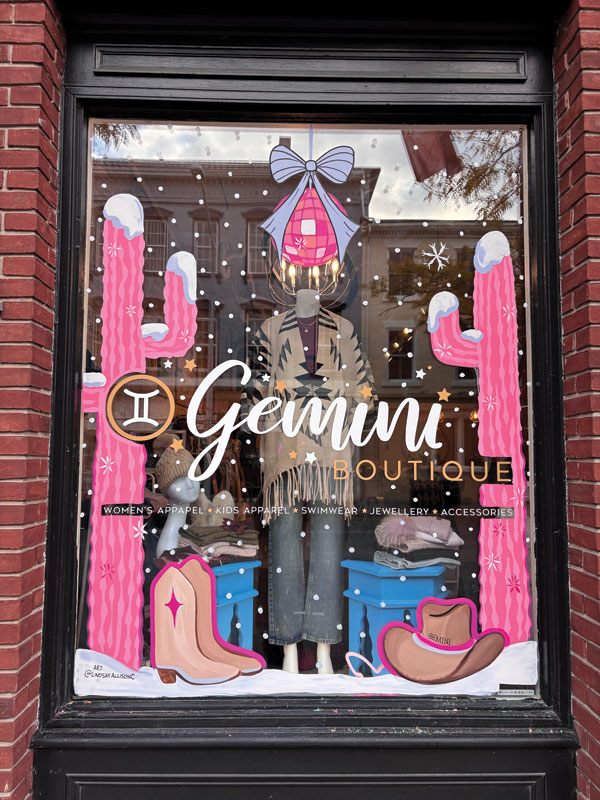
How do you translate a brand’s identity into a mural that feels both authentic and visually compelling?For me, it always starts with understanding the brand on a deeper level. Beyond logos and colour palettes, I want to know how they want people to feel when they walk into their space. Are they aiming for something calm and elevated, or bold and energetic? From there, I take those ideas and begin translating them into visuals that feel natural within the environment. I focus on simplifying the message into something that’s clear, impactful, and visually cohesive. A strong branded mural shouldn’t feel like it was added as an afterthought. It should feel like it belongs to the space and enhances the overall experience of being there. What makes murals an effective tool for brand storytelling?Murals create a physical, immersive experience that’s hard to replicate in other forms of marketing. In a time where so much content is digital and constantly moving, murals give people something tangible. They create a sense of place. They invite interaction. They also naturally encourage sharing. When a mural is thoughtfully designed, people want to take photos with it and post it. That turns the mural into an organic extension of the brand’s marketing without feeling forced. It’s storytelling that people participate in, not just consume. Where do you see the line—or overlap—between murals and signage in today’s built environments? Do they complement each other?There’s definitely more overlap now than there used to be. Murals are becoming more strategic, and signage is becoming more design-driven. I see them as two parts of the same experience. Signage provides clarity and direction, while murals create atmosphere and emotional connection. When they’re designed together intentionally, they can elevate each other. A mural can draw people in and set the tone, and signage can then guide them through the space in a way that feels cohesive rather than disconnected. How can signmakers and fabricators better collaborate with mural artists on integrated projects?The biggest opportunity is in early collaboration. When mural artists are brought into the process at the beginning, rather than at the end, the final result feels much more unified. It also helps when there’s open communication around materials, scale, and installation methods. Understanding each other’s processes allows both the painted and fabricated elements to work together rather than compete for attention. There’s a lot of potential in combining hand-painted work with dimensional signage, and when it’s done well, it creates a much more layered and impactful environment. What role do materials, surfaces, and location play in the success of a branded mural?They are foundational to the success of the piece. A design might look beautiful digitally, but if it doesn’t account for the surface it’s being applied to, the result can fall short. Texture, porosity, and even the base colour of a wall or window all affect how the paint appears. Location matters just as much. How people move through the space, where they naturally pause, and how the mural is lit all influence how it’s experienced. A well-designed mural takes all of these factors into account from the very beginning, not as an afterthought. How do you ensure a mural remains consistent with a brand’s visual identity while still feeling artistic and unique?I approach brand guidelines as a framework rather than a limitation. Using the brand’s colour palette, typography, and overall tone helps create consistency, but the interpretation is where the artistry comes in. That’s what keeps the work from feeling overly corporate or generic. The goal is to create something that feels aligned with the brand, but still clearly hand-crafted and one of a kind. Have you seen a shift in how brands are using murals within their marketing strategies?Yes, there’s been a noticeable shift. More brands are starting to see murals as long-term assets rather than just decorative elements. They are being used as content backdrops, incorporated into campaigns, and even rolled out across multiple locations for consistency. There’s also a stronger focus on creating spaces that feel experiential. Brands are recognizing that the physical environment plays a big role in how people connect with them. How can murals contribute to creating more memorable, shareable brand moments?It comes down to designing with intention. When a mural is created with interaction in mind, whether through scale, composition, or placement, it naturally becomes something people engage with. It invites them to step into the space rather than just pass by it. Those moments of interaction are what make a brand more memorable. And when people share those moments, it extends reach in a very organic way. What advice would you give to sign companies looking to incorporate murals into their offerings?I would encourage them to think of murals as part of a larger ecosystem rather than a standalone feature. Bringing artists into the process early, investing in strong design, and considering how the mural will interact with signage, lighting, and architecture all make a big difference. There’s a real opportunity to create more immersive and layered environments when these elements are designed together. Do you have anything else you want to add?At its core, mural work is about connection. It’s about creating something that resonates with people, whether that’s through a brand, a space, or a community. The most successful projects are the ones where people feel something when they see it. It might be a sense of pride, nostalgia, excitement, or simply feeling more welcome in a space. That’s what continues to draw me to this work. It’s not just about painting a wall, it’s about shaping how a space is experienced and remembered. I’m also incredibly grateful for the community that murals have brought me into. There’s such a strong network of artists who genuinely care about people and about helping communities feel more beautiful and connected. There’s a shared purpose in creating work that makes people love where they live a little more. I’ve seen firsthand how murals can bring light back into a community. They can shift the energy of a space, spark conversation, and give people something to feel proud of. That impact extends to businesses as well. When a space is thoughtfully designed and visually cared for, it creates a sense of pride for the owners and a stronger connection with the people who walk through their doors. That ripple effect, from artist to space to community, is what makes this work so meaningful to me. |


Sign up for our newsletter
Featuring breaking news from Canada's sign and graphics industry.
Products

Read the Latest Issue
