
New to signage? How to become a go-to client partner
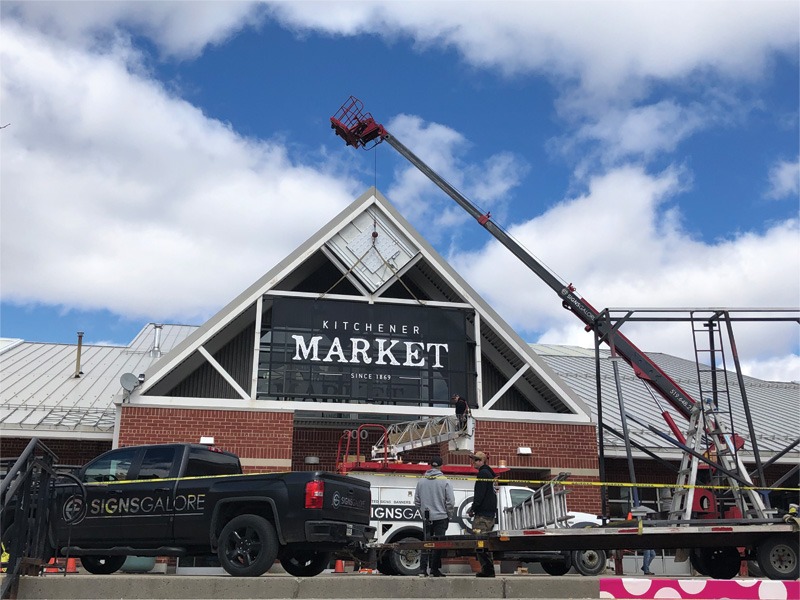
Most businesses start with a great idea. We find something we love to do, and if we are entrepreneurial, we start a new business. There are so many things to consider when starting out, but we generally begin with what we know and love. In that sense, the business is started from the inside out.
We remember when we first started our business back in 1983. Knocking on doors, trying to sell our craft to strangers, and hoping they would trust us with their signage needs—first, the idea, then sales, production, and finally, accounting. Branding was not the first thing on our minds. So, we understand that when many businesses start, many don’t see the value in a sign. Let’s face it, good signs are not cheap, and finances are usually very limited at the time. So, the fundamental challenge remains: How do we sell the value of a custom, quality sign?
All of us travel around our cities daily, and we navigate our way without even realizing we rely on signs. Street signs are not always that exciting, but they get us where we want to go. If you think about that for a minute, signs have the power to bring new customers to your door every single day. That potential alone makes a sign purchase invaluable to a new business—and a compelling return on investment (ROI) story for any signmaker building their client base.
So, if you’re a new signmaker thinking of building your own business, here’s a guide to help sell signage as a measurable ROI for your clients.
Selling the asset, not the expense
We have served thousands of clients at this stage of our business, and it never ceases to amaze us at the variety of misunderstandings about the cost versus the value of a sign. When looking for the right company to design and produce new signage, a cost-only view can be detrimental to your client’s business and, ultimately, their chequebook.
Signs built with quality materials and craftsmanship will last. Materials and labour are the staples of quoting and executing any sign project. We invest in our employees, and we invest in quality materials because, in the long run, the sign must represent the quality and longevity we want our clients to project. We know the temptation is always to go for the lowest bid, but in the signage world, a cheap sign rarely lasts, and a fading or peeling sign is worse than no sign at all; it sends a bad message about the business behind it.
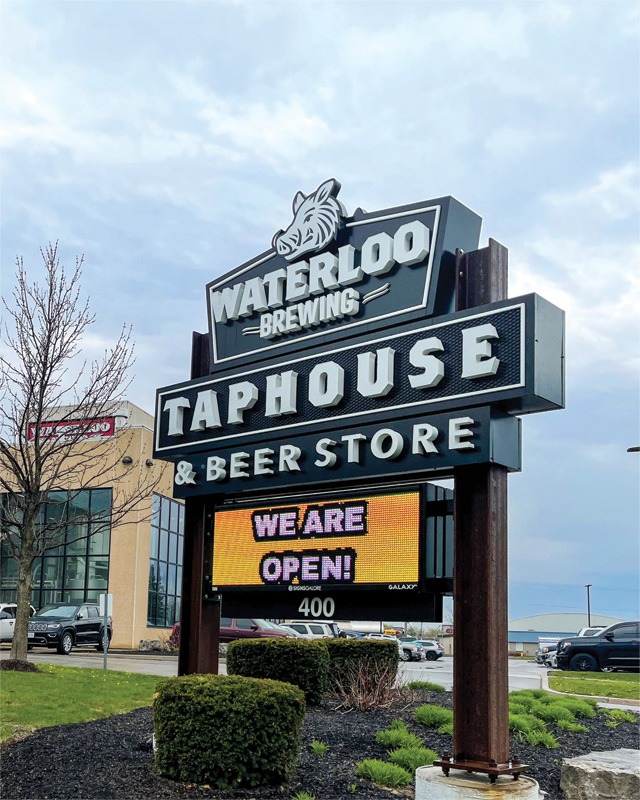
Any new client has many expenses they will need to consider. A new restaurant will need to invest in high-quality ovens, refrigerators, dishwashers, and freezers. A fabrication shop must purchase welders, cutters, computer-numerical control (CNC) machines, tools, cranes, and trucks. These expenses are considered capital expenses and assets that will become their moneymakers. On a bookkeeping side, these items will depreciate over time, which will ultimately help on their income statements.
How many clients consider their new sign as a capital investment? So often, they come with what is left over from their business budget, with dreams of having the showstopper sign that will reflect their pride in their own business. For new signmakers starting out, understanding this perspective is key—it allows you to position yourself as a partner in helping new businesses invest wisely. We have often stretched the new business owners’ budget, but we have never had them come back to us and say they regretted that decision. Why? Because the sign that draws people in has become the silent moneymaker they didn’t account for. That’s a value that far exceeds its initial cost.
Understanding the investment
The concept of a sign as a depreciable asset is a powerful piece of information we must share. It’s not just a beautiful expense; it’s a piece of equipment, a marketing tool that can be accounted for intelligently. As signmakers, we are responsible for educating our clients not just on design but on the financial strategy of their purchase. This means we must go the extra mile—and so, mastering this conversation is a critical skill for building credibility with clients.
To assist our clients with their financial planning, we have partnered with leasing companies that will work directly with them to manage their new sign investment. This is a crucial element that frees up cash flow for other operational needs. Many cities also offer fascia or façade grants for new businesses, as they are invested in maintaining a beautiful downtown shopping area. This is also worth recommending and exploring.
This is when the relationship goes beyond just a transaction. When we take the time to understand their financial pressures and offer real-world solutions—such as leasing or grant advice—we show that our priority is their success, not just making a sale.

Helping clients plan smarter
Whether in the boardroom or working with customers at a computer, it’s an effective way to brainstorm ideas, discuss likes and dislikes, review budgets, and collaborate on projects.
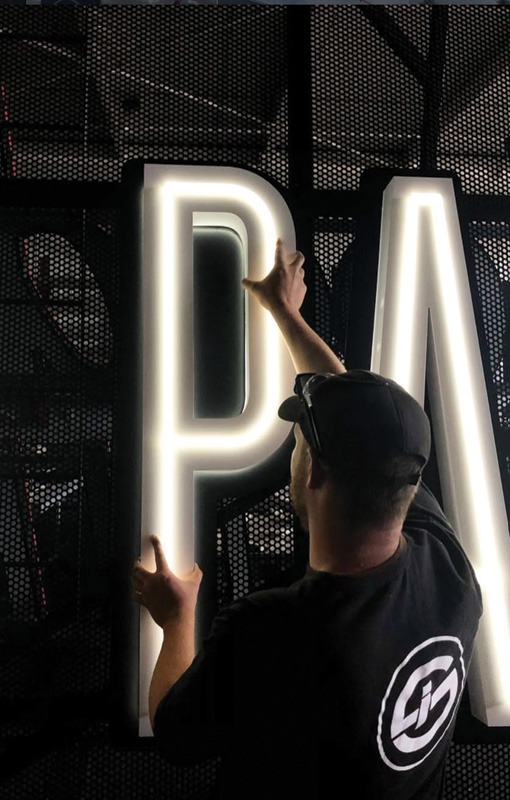
This level of planning with clients establishes trust and demonstrates your value from the first interaction.
We can share and lead from our expertise and experience and help them make informed decisions about their signage needs. For example, what will the city allow at their location? What permit fees will clients need to pay? How long will the entire project take? Clearly communicating the time required to secure approvals and start the project is crucial.
Based on our experience, we can provide guidance on the appropriate sign size and the amount of information to include, as drivers only have seconds to read signs. We also advise on colour combinations that may not work well together and overall visibility strategies. Offering our materials and workmanship warranty is crucial for building client confidence. Maintaining transparency throughout the entire process—from beginning to end—fosters strong relationships and trust.
Avoiding costly surprises
It is important to be upfront with new clients about all the possible issues that may delay the process of building and installing new signage. Permits and landlord sign-offs are two processes that most often lead to delays. If they are not taken care of, the client may face fines from the city for erecting a sign without a permit, and they may be in trouble with their landlord if they do not follow tenant guidelines.
Locates—ground markings identifying the position of utility lines—can also cause delays. This process can be time-consuming. However, they are a necessary precaution to ensure the safety of our crews and compliance with utility regulations. Clearly communicating these potential hurdles to clients not only protects your team but also builds credibility as a knowledgeable partner in the signage process. After giving the customer the information they need regarding these items and supplying them with layouts and pricing for their approval, the next step is having them sign off with DocuSign or a physical signature. This is the best way to avoid unwanted surprises, for both the signmaker and the client.
Building long-term partnerships
Spending extra time, being thorough, and staying engaged when working with a client is never wasted. This collaborative approach transforms the relationship from a simple vendor-client exchange to a strategic partnership. Approaching every client interaction with this mindset lays the foundation for long-term success and repeat business.
You do more than deliver a product—you show clients you understand their business and invest in their success. By educating them on design, materials, permits, and overall strategy, you position yourself as a trusted advisor. By consistently positioning the sign as a strategic asset, you secure your role not just as a supplier of goods but as a key partner focused on the client’s marketing and financial success. This level of care and expertise will help you develop long-term relationships, earn repeat business, and establish the credibility that is essential as a business owner yourself.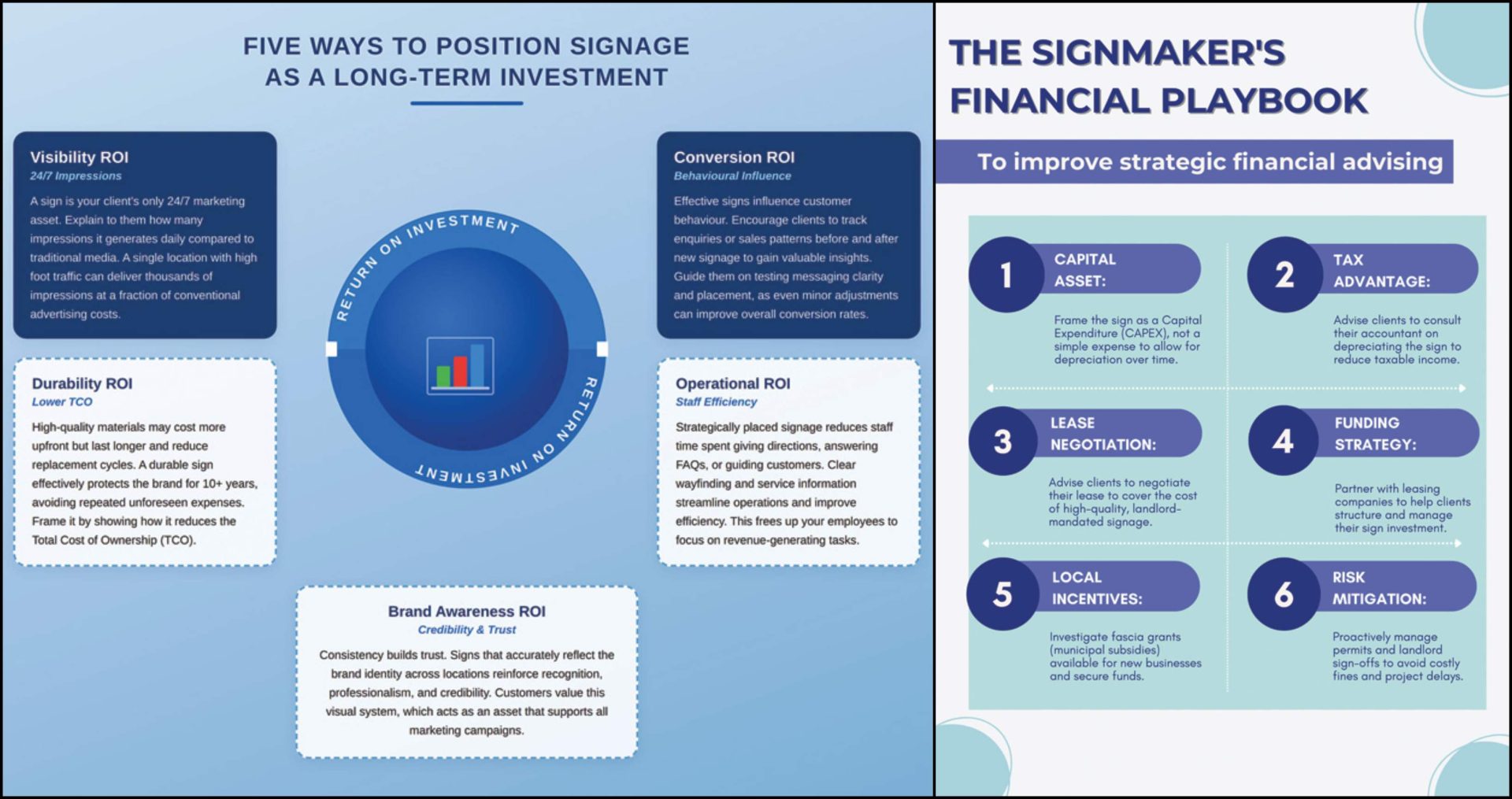
Garry and Laurie Fitz-Henry have owned and operated their family business, Signs Galore, since 1983—a business built on quality, craftsmanship, and integrity. In the early years, they were also a busy family raising four sons: Robert, Justin, Stephen, and Kevin. The boys (now men) each have played an important role in the company’s ongoing success. Even the name tells their story, with “Galore” being a meaningful blend of Garry and Laurie. Signs Galore channels that same passion into providing top-quality custom signage solutions for storefronts, fleets, and national franchises, establishing a strong reputation for operational excellence in the industry.
Sign up for our newsletter
Featuring breaking news from Canada's sign and graphics industry.
Products


Read the Latest Issue
