
The fine print on sustainable signage
The landscape is improving, but challenges remain
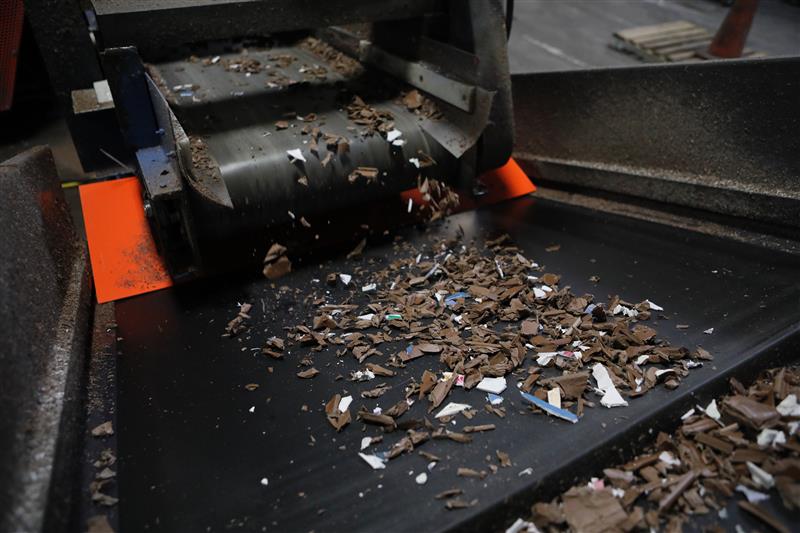
When it comes to sustainable substrates for the signage market, it is important to know where the sign will go at the end of its life. If the most sustainable substrate ends up in a landfill at the end of the day, then the benefits of using sustainable materials in the first place are lost.
Different types of substrates can have various sustainable properties. For instance, polyvinyl chloride (PVC) can contain up to 30 per cent of recycled content, acrylic can be chemically recycled back into its monomers, and polycarbonate and acrylics contain up to 95 per cent post-industrial recycled content.
All of these can be recycled after use if they are identified and sorted correctly. In addition, plastics manufacturers can and should take steps to minimize waste and improve the sustainability of their manufacturing processes. PLASKOLITE, for example, has an internal reuse and external recycling program that diverts up to 99 per cent of all plastic scrap from landfills.
Prices and perceptions
Production processes can be similar for both sustainable and traditional plastics, but the applications for sustainable products typically have fewer specifications related to esthetics. Those expectations are changing, because newer sustainable PVC substrates offer the print and design communities a broad range of sizes and the flexibility to achieve the desired look on a sustainable substrate. Our offering in this space contains up to 30 per cent recycled content.
Traditionally, consumer demand for sustainable plastics has been muted due to the slight increase in price and the perception that recycled content was inferior. With recycling infrastructure expanding, customers increasingly prefer more recycled content at competitive pricing—but the price is key.

The biggest challenges to cost-competitiveness with sustainable substrates are the added transportation and shipping costs. The post-consumer aspect of recycling is complicated because it requires actively sorting scrap and controlling storage and transportation so there is no contamination. A clean stream of feedstock ensures the quality and integrity of the recycled sheet is not compromised. Many recycling companies across the country can grind and make it easier to ship discarded plastics to recycling sites. As recycling programs reach economies of scale, it will be easier and more cost-effective to ship the regrind to locations that can repurpose the material. For the time being, collecting, cleaning, and transporting those plastics still adds to the cost of the sustainable material. Still, the cost delta between standard thermoplastics and sustainable alternatives is shrinking.
When people hear “sustainable substrate,” some automatically think the quality, durability, and functionality are decreased—but that is simply not the case. Good recycling programs minimize the loss of structural integrity, and recycled acrylic, high-density polyethylene (HDPE), PVC, or polycarbonate perform just as well as the traditional counterpart substrate. Fabricators and designers typically see no difference when using recycled sheet versus virgin sheet and are seamlessly adapting their purchasing towards more sustainable substrates. Furthermore, most of these materials can be recycled multiple times and maintain key properties throughout their lifecycle while meeting industry standards.

Most of this is already happening more than sign makers realize. These kinds of recycling processes are in such small quantities that they don’t impact the cost or the properties of the substrates themselves. A major way to reduce signage waste is with run-to-size cutting. When the sheets get cut, 10-15 per cent of each sheet ends up as scrap, so as an effort to reduce this waste, manufacturers can provide sign makers a run of their sheet in the exact size. The customer also benefits from this as it saves money and reduces plastic scrap waste. After all, the only thing better than recycling is not creating any plastic scrap in the first place.
The recycling world of plastics isn’t clear-cut and, unfortunately, isn’t as easy as throwing just any plastic sheet into a recycling bin. But if we work together and learn how to become better environmental stewards, we can continue to build and improve plastic recycling programs for signage industries and reduce waste materials.
Sustainable supply chains
A growing trend in sustainable signage is the increased emphasis on making supply chains more sustainable. Although the materials and technologies used in signage are important, the environmental impact of their production and transport is equally significant. Shipping raw materials or finished signs over long distances increases fuel use, carbon emissions, and the risk of damage, leading to waste. To reduce these impacts, many companies are shifting toward local sourcing and regional manufacturing.
Brands that work with signage providers that use domestic manufacturing facilities can streamline their supply chains, reduce freight emissions, and shorten production timelines. This gives clients greater oversight of production quality while reducing unnecessary shipping distances and related costs. This approach not only reduces carbon footprint but also enhances reliability and minimizes the risk of shipping-related damage, which can lead to material waste.
Supply chain sustainability also hinges on resilience and operational efficiency. By relying on locally sourced materials, companies reduce exposure to global disruptions such as shipping delays and fuel price fluctuations. This increased stability not only strengthens sustainability efforts but also enhances cost predictability for organizations executing large-scale rollouts. For brands with hundreds or thousands of locations, these benefits add up quickly.
Kevin Vincent is the director of sales at PLASKOLITE.
Sign up for our newsletter
Featuring breaking news from Canada's sign and graphics industry.
Products


Read the Latest Issue
